Website conversion rate: same traffic, more jobs

Two roofers get the same number of visitors in the same month. One of them ends it with a full schedule of estimates. The other ends it wondering why the phone is quiet. Nothing separates them in the traffic report. The difference is what each site did with the people who showed up.
That difference has a name, conversion rate, and almost no local business owner has ever looked at theirs. It is the share of visitors who do the thing you want: call, book, request a quote, or reserve a table.
What the number actually measures
Conversion rate is simple arithmetic. Take the calls, booking requests and form submissions you can trace back to the website in a month, and divide by the number of visits in the same month. If 300 people visited and 9 got in touch, that is 3%.
It does not tell you how good your work is or how many people know your name. It tells you how well the page turns attention into a conversation. That is why it hides so well. A site can have steady visitors, decent reviews and a nice design, and still hand most of those visitors back to Google.
There is no honest industry-wide benchmark to compare yourself against. Trades differ, markets differ, and a funeral home’s visitors behave nothing like a pool cleaner’s. Your own number, tracked month after month, is the useful one.
Why you never see the leak
A missed pickup, a bounced check or an empty chair at 2 p.m. all announce themselves. A weak conversion rate does not. The phone still rings now and then, the inbox still gets the odd form, and every month looks roughly like the last.
Nothing in your books is labeled “lost because the booking button was hard to find.” The visitor simply leaves and calls whoever made it easier. You cannot miss a call you never received.
This is also why more traffic is rarely the first fix. If a site loses most of its visitors, paying for more of them mostly buys more people who leave. Fixing the page first makes every later dollar of advertising work harder.
Where the gap comes from, trade by trade
The causes repeat across trades, but they show up differently depending on who is searching and how urgent the problem is.
- Urgent trades such as plumbers and HVAC companies win or lose on the first screen. Someone with water on the floor wants a number to tap, not a menu to read.
- High-ticket, slow decisions such as construction, law and accounting win on trust: licenses, credentials, named people and a clear next step that does not feel like a commitment.
- Visual trades such as bakeries, landscapers and painters lose people when galleries are slow or when nobody can tell how to ask for a price.
- Recurring services such as gyms, daycares and car washes lose people at the sign-up step, where a confusing plan list or a long form ends the visit.
Notice what is missing from that list: nothing about the logo or the color scheme. Conversion problems are mostly about clarity, speed and trust, in that order.
Size your own gap
You can estimate what a weak page costs with arithmetic only. Take your monthly visits, multiply by the conversion rate you think is realistic for your own trade, multiply by the share of inquiries you normally close, and multiply by your average job or first-year customer value. Do it for your current rate and for a higher one, and subtract.
A worked example, clearly invented for illustration: a pest control company with 400 monthly visits and a 2% conversion rate gets 8 inquiries. If it closes half of them and a new customer is worth $300 in the first year, that is $1,200. At 5%, the same visits give 20 inquiries and $3,000. The visitors, the trucks and the technicians are the same. Only the page changed.
The numbers are assumptions you should replace with your own. Be cautious with the higher rate, since a modest improvement you can believe in is more useful than an exciting one you cannot.
What good looks like
Without turning this into a how-to, a page that converts tends to share a few traits. It loads fast on a phone. It shows a phone number and one obvious next step on the first screen. It puts proof of trust near the top: real reviews, real photos, licenses where they matter. And it answers the three questions every visitor has: do you do what I need, do you serve my area, and what happens if I reach out.
Those traits are decided when a site is built, not added afterward. Patching a slow, cluttered template with a widget rarely changes the outcome, because the structure underneath sets the ceiling.
Building that is our job. Watch the free video walkthrough of a live site and compare it with yours, section by section. If the bigger gap is how many people find you at all, the ads offer is the other place to look.
If your trade is on this list, there is a version written for you, with the arithmetic done for a business like yours:
Frequently asked questions
What is a good website conversion rate for a small business?
There is no figure worth trusting across all trades. Measure your own: traceable calls and forms divided by visits, over a full month, then watch it over time. A rising number on a stable audience is the sign you want.
How do I find my conversion rate?
Count the calls, bookings and form submissions you can trace to the website last month, including calls from your Google Business Profile, then divide by the month’s visits. Call tracking or a simple “how did you find us” question makes the count more accurate.
Should I spend on ads before fixing conversion?
Usually not. Paying to send more people to a page that loses most of them wastes a large share of the spend. Fix the page first, then add traffic.
Can small tweaks raise my conversion rate?
Sometimes, a little. A visible phone number, clearer pricing and better photos help. But a slow or cluttered template limits how far tweaks go, because the structure sets the ceiling.
Read it for your trade
The same story, written for each of 30 trades, with the examples that fit that kind of business.

Accounting website conversion rate: same tax-season traffic, more client inquiries
Read more
Auto repair website conversion rate: same traffic, more bookings, nobody notices
Read more
Bakery website conversion rate: same Instagram traffic, more wedding cake inquiries
Read more

Car rental website conversion rate: same traffic, more direct bookings
Read more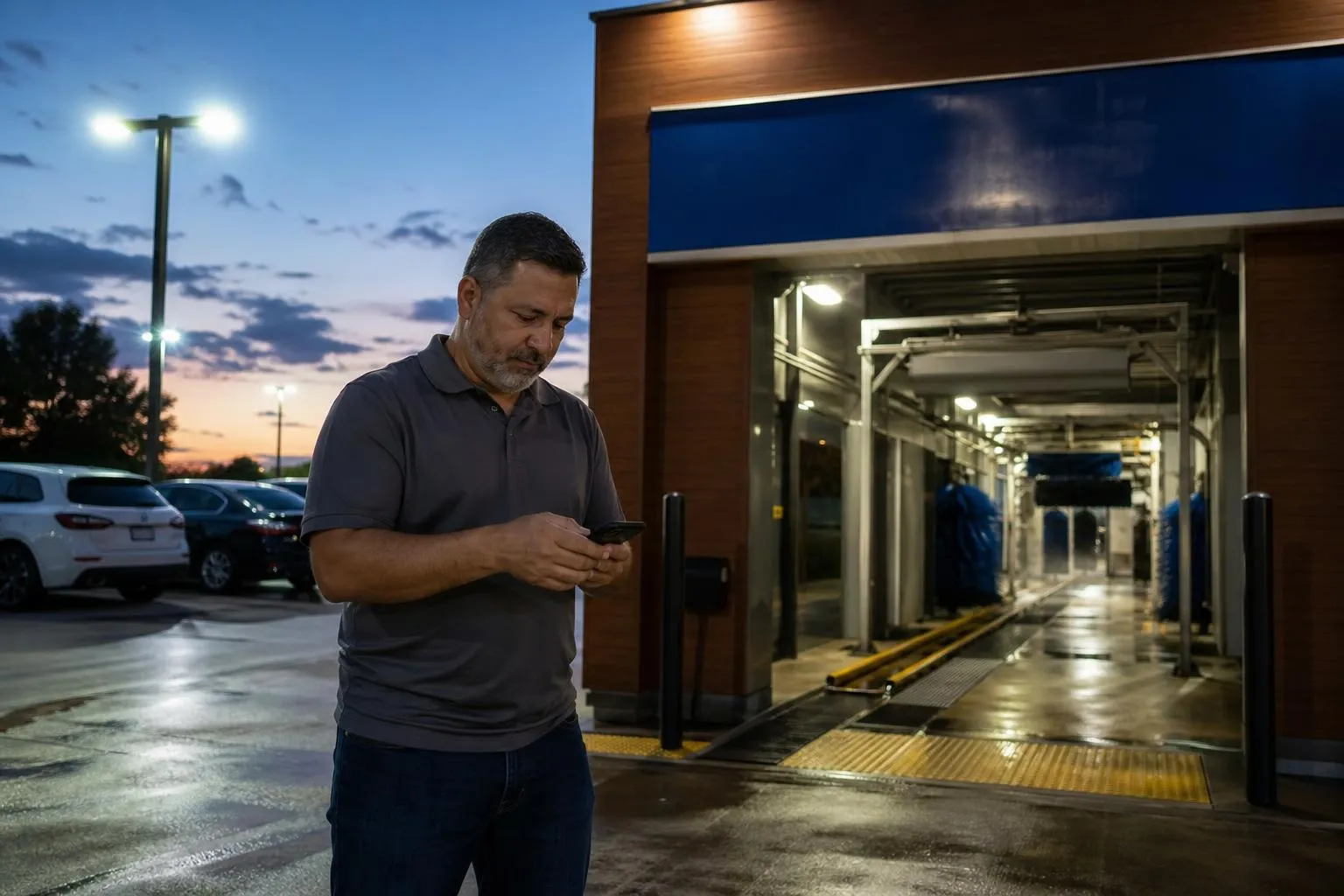

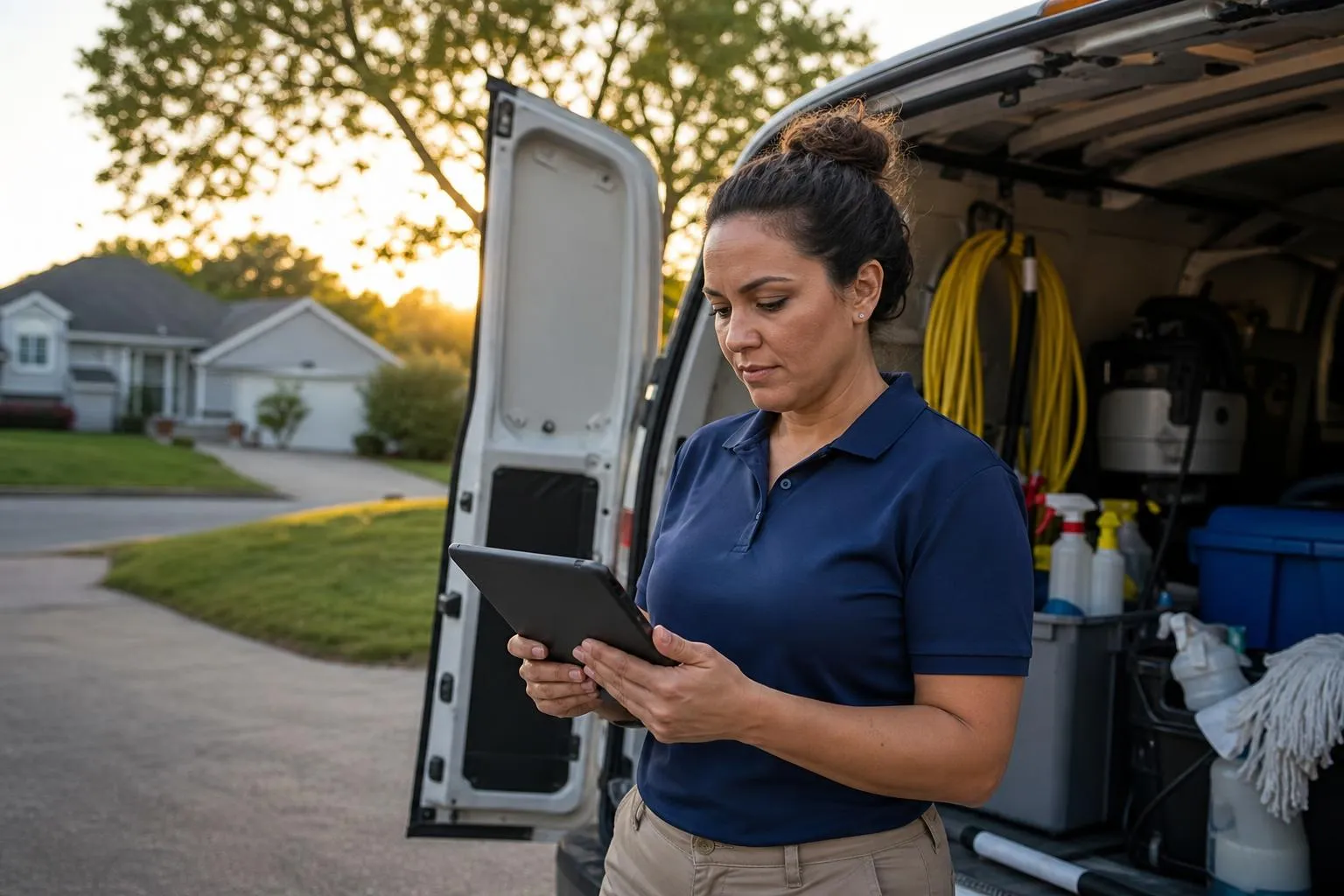

Construction website conversion rate: same visitors, more signed projects
Read more




Electrical website conversion rate: same traffic, more booked jobs, and you'd never know
Read more


Junk removal website conversion rate: same traffic, more hauls booked
Read more
Landscaping website conversion rate: same visitors, way more jobs booked
Read more


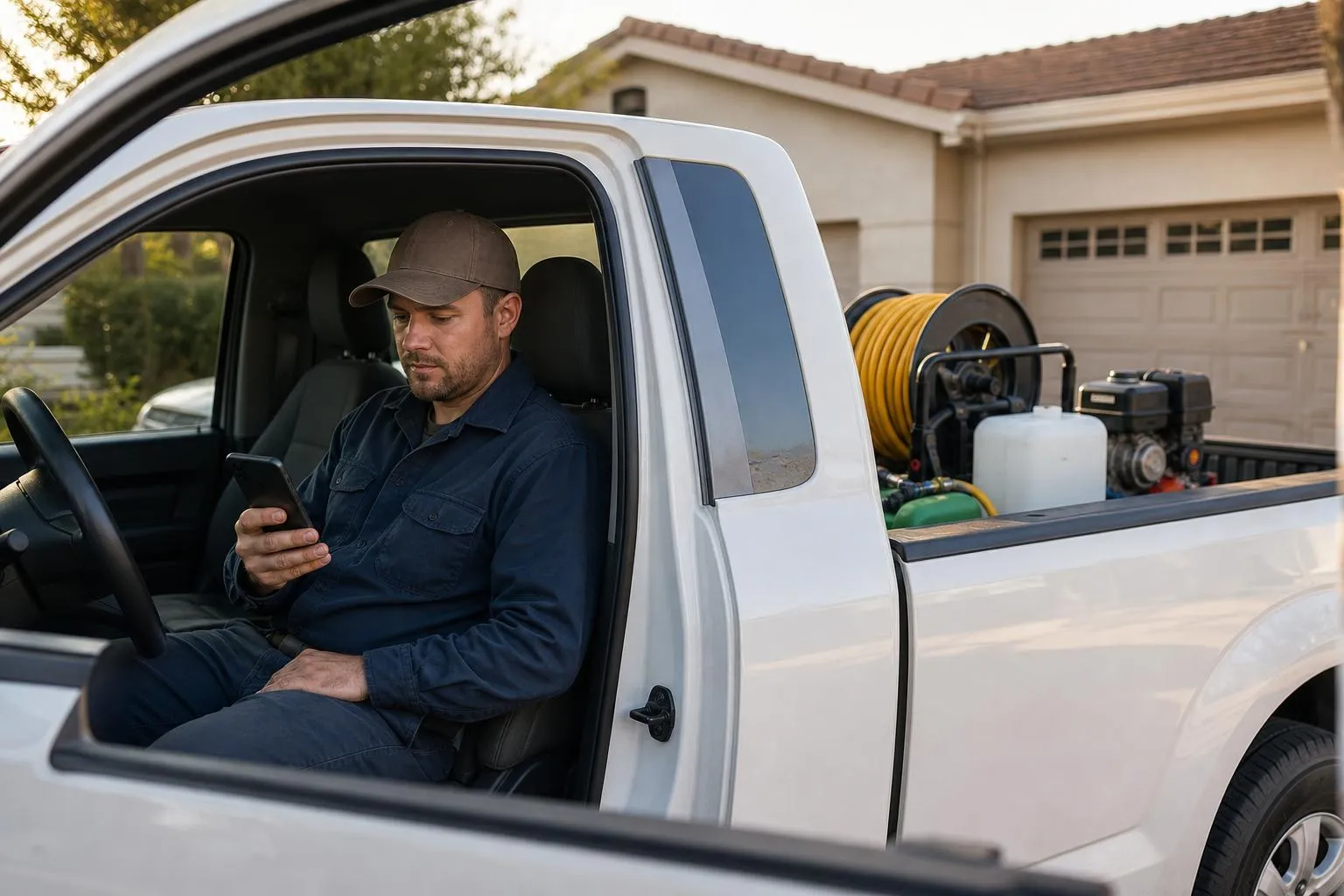

Phone repair website conversion rate: same traffic, more repairs booked
Read more
Plumbing website conversion rate: same visitors, more leads, and you'd never know
Read more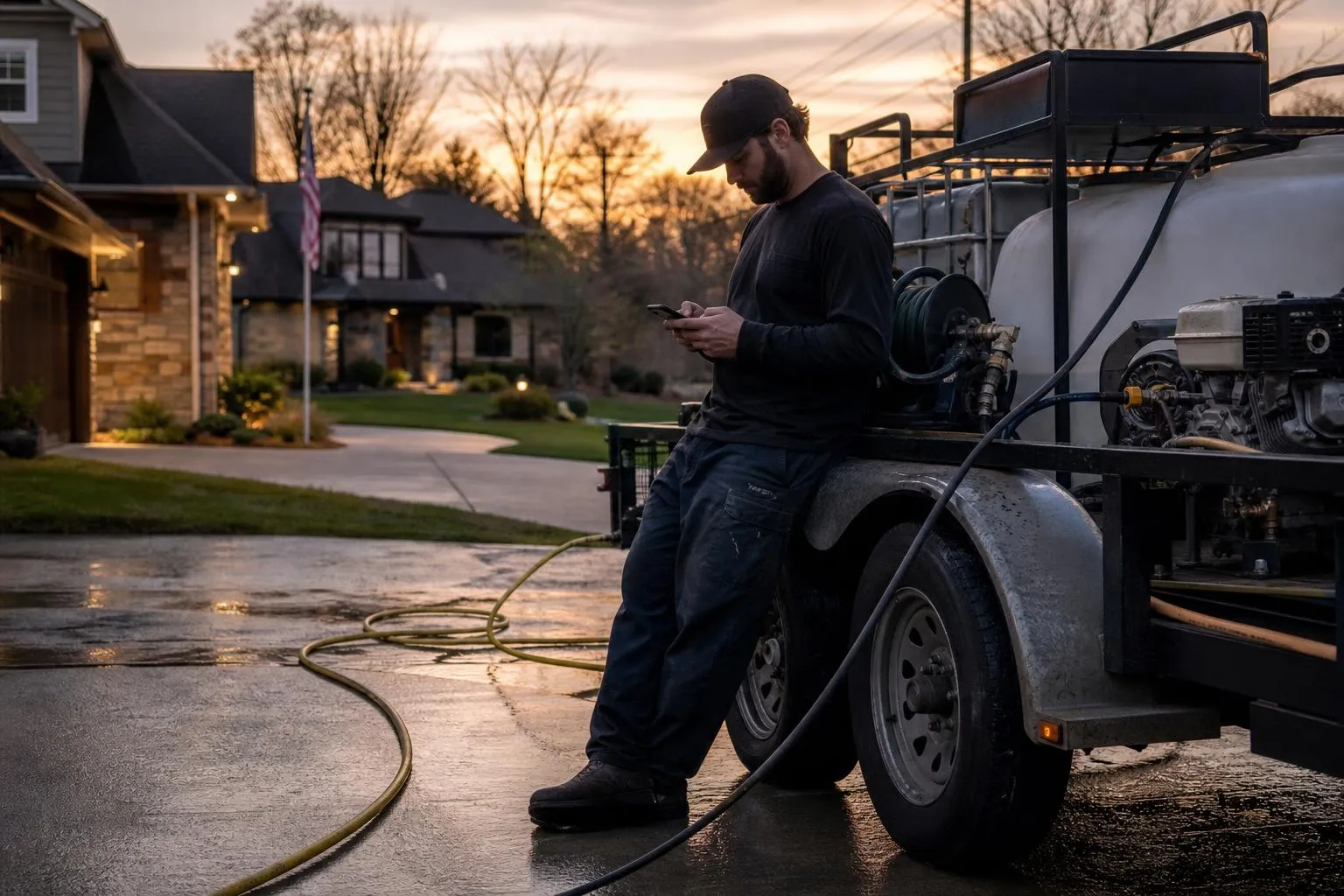
Pressure washing website conversion rate: same visitors, more driveways booked
Read more
Real estate website conversion rate: same traffic, more seller and buyer leads
Read more


Your move
Reading this does not book a job.
The owners who pull ahead are the ones who change one thing this week. If you want that one thing to be a website that sells and ads that put it in front of the right people, we build and run both for you.
Straight answer on whether we can help, usually the same day.