Car Wash Website Conversion Rate: Same Visitors, Twice the Unlimited Signups
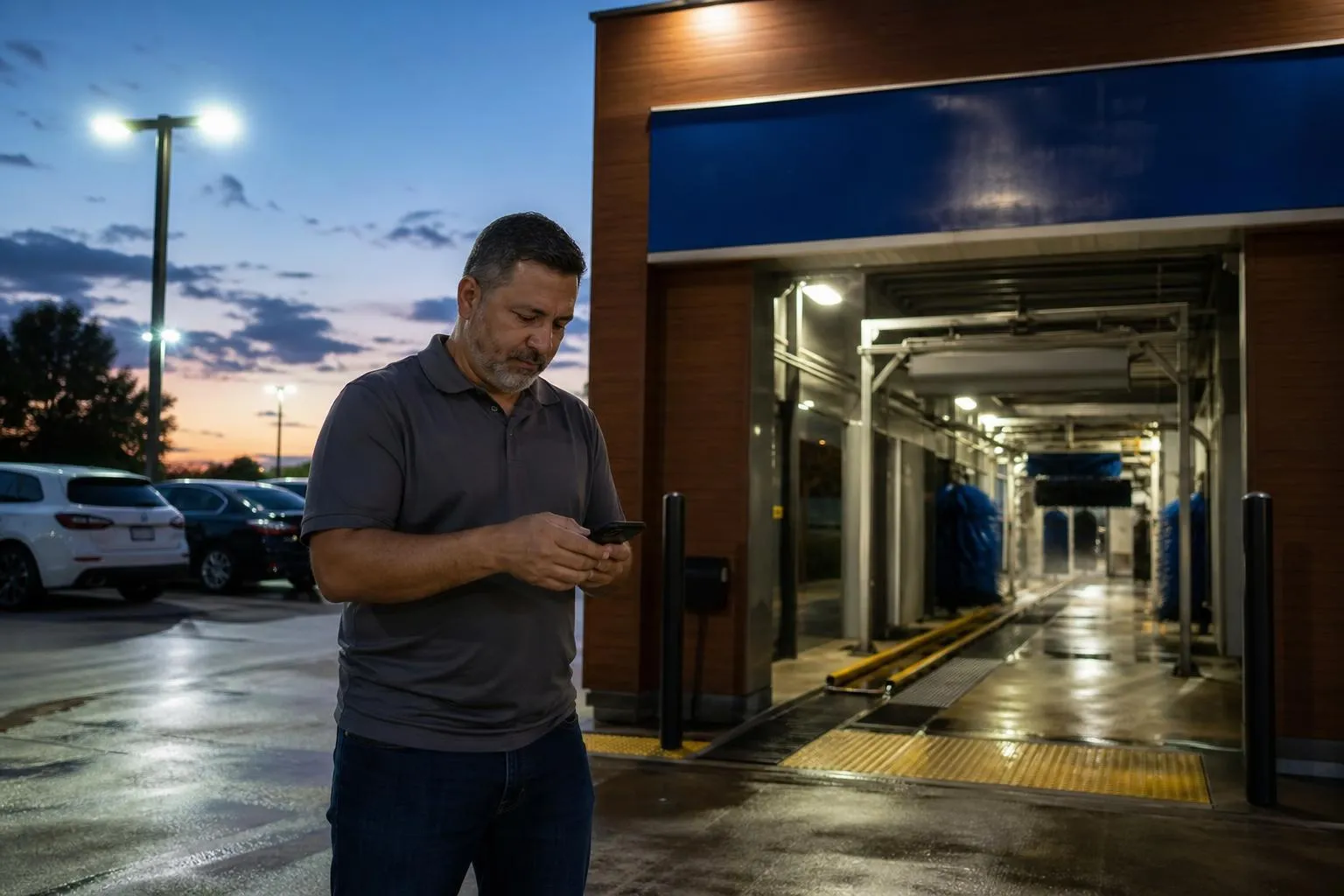
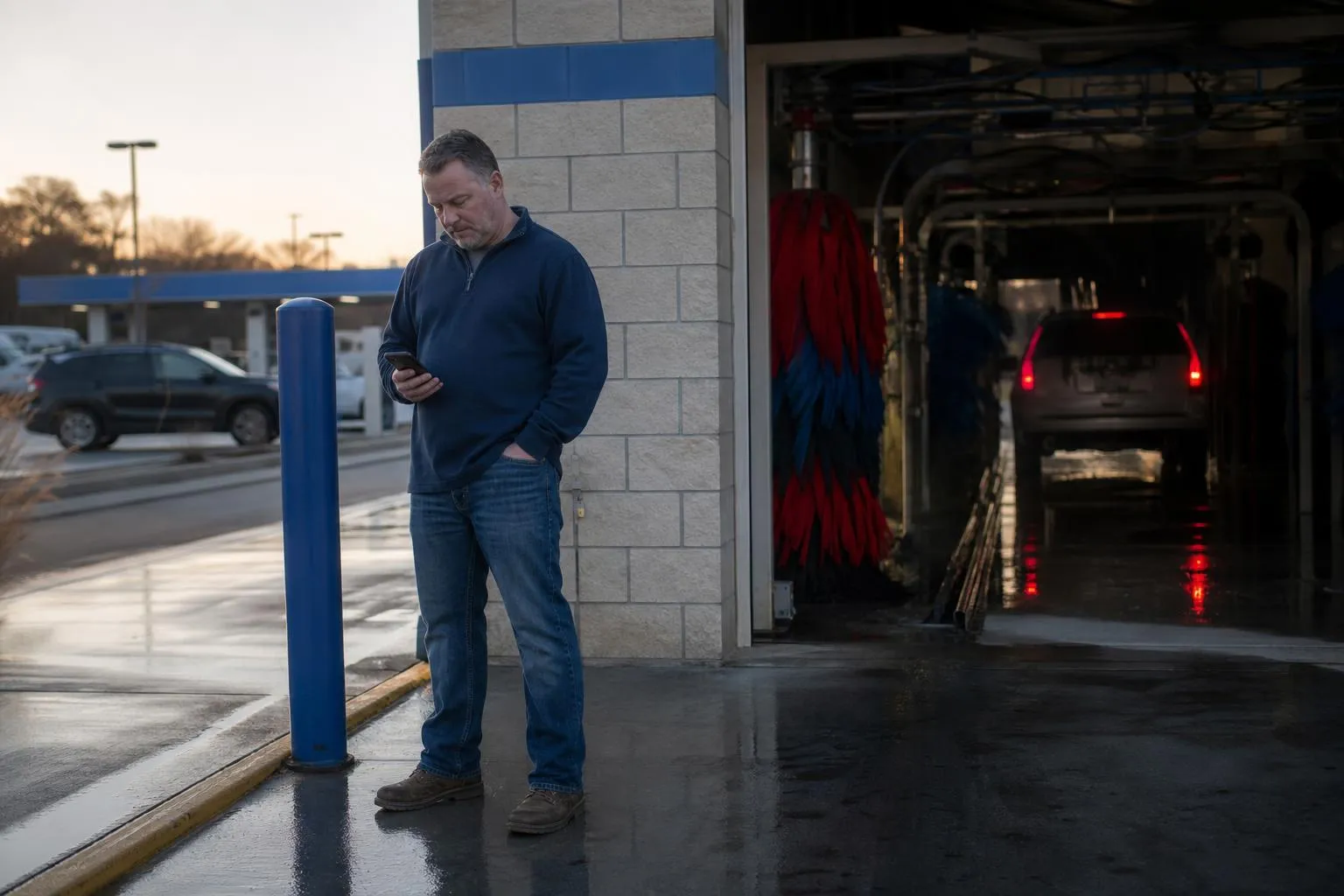
Picture 400 drivers who searched “car wash near me” last month, landed on your site, and scrolled past your plans. Now picture 392 of them closing the tab without signing up for anything.
You would never know it happened. No missed-signup alert, no note in Stripe that says “this one almost joined unlimited.” The only trace lives in a number most operators never check: your conversion rate, the share of visitors who actually turn into a monthly member instead of a one-time $12 wash, if they even come at all.
That one number decides whether your website is building your subscriber base or quietly letting it walk past you.
The math most wash owners never run
Say 400 people visit your site in a month, realistic for a single-location tunnel or in-bay operator pulling Google Business Profile clicks, drive-by searches, and customers checking your plans before pulling in. What separates a growing subscriber list from a stagnant one is one number.
| Conversion rate | Leads from 400 visitors | Signups (about 1 in 2) | New MRR at $25/month |
|---|---|---|---|
| 2% (confusing 8-option pricing grid) | 8 | 4 | $100 |
| 4% (decent modern site) | 16 | 8 | $200 |
| 8% (conversion-built site) | 32 | 16 | $400 |
Same 400 drivers in every row. No extra ad spend, no new location. Just fewer of them bouncing off a page that never made joining simple.
Why the leak stays invisible
Here is the part that trips owners up: a leaking website has no symptom you can see.
A dry bay on a Saturday is obvious immediately. A slow month shows up in the wash counter within days. But a site converting at 2% instead of 8% just looks like a normal trickle of new members, every single month. A signup comes in here and there, the plan page “works,” and nothing tells you what the same 400 visitors should have produced. A dead site is easier to spot; we covered that in why your car wash website isn’t getting you customers. A 2% site produces just enough activity to seem alive.
So most owners assume the fix is more foot traffic: another round of flyers, a sign spinner on the corner, a harder push at local SEO. The cheaper truth: the drivers are already finding your site. They are leaving because an eight-option pricing grid gave them nothing to click.
Where the extra signups actually come from
A high-converting car wash site is not nicer photos of the tunnel, it is a specific set of mechanical decisions that recover drivers the old pricing grid was losing.
One plan comparison, one big button. Three tiers side by side with “Start Unlimited” as the obvious next step beats an eight-box grid every time. Confused drivers do not compare, they leave.
One-tap Stripe checkout. Since most drivers are on their phone in the car, a signup flow that finishes in under a minute, no account creation hoops, matters more than almost any design choice you could make.
Proof before the pitch. Star rating, review count, and a photo of the actual tunnel or bays, shown immediately instead of buried below three paragraphs of copy. A driver deciding between you and the wash two blocks over scans fast for a reason to pick you.
Answers to the three silent questions. What does unlimited actually include? Can I cancel anytime? Is there a location near me? A site that answers all three above the fold converts. A site that makes people dig loses the signup to the next search result.
Speed on a phone at a stoplight. Google’s own research found 53% of mobile visitors abandon a page that takes longer than 3 seconds to load, and drivers deciding mid-commute have even less patience than most. That deserves its own article, and it is next in this series.
Stack those five and 2% becomes 8%, sometimes higher. Nothing about your wash changed. The same 400 drivers just stopped leaving without joining.
Patching the old pricing page versus rebuilding
Could the current site be nudged toward these numbers? Somewhat.
Patching the old pricing page
- Cheap to start: trimming the plan grid down to three options costs very little.
- No relaunch project, your domain and existing rankings stay untouched.
- Small real gains exist: adding a single “Most Popular” badge can nudge 2% toward 2.5%.
Patching the old pricing page
- The template underneath caps the outcome: a slow, cluttered page stays slow no matter how you rearrange the boxes.
- Every change means another developer ticket and a wait measured in weeks.
- A year of small patches can run $900 and still leave you under 3%, because conversion is structural, not decorative.
Adding a badge to a slow, confusing pricing page is a fresh coat of wax on a broken conveyor. Conversion gets decided by the architecture on day one, not fixed later with add-ons.
See what your traffic is actually worth
The honest version of this pitch matches the title: you cannot know what your traffic is worth until it runs through a site built to convert it, not just list your prices. The free video walkthrough tours a real car wash site so you can compare it against yours screen by screen: where the plan comparison sits, where the checkout button sits, how fast someone gets from landing page to active subscriber.
If the comparison convinces you, the rebuild is done for you start to finish: $2399£1,899 one-time for Standard, $7500£5,900 for Growth, both prices listed openly, no contracts, live in 7 days, edits turned around within 24 hours, and you own everything outright. Once the site converts, every dollar spent after it, whether ads or ongoing growth services, works on top of an 8% machine instead of a 2% leak.
Frequently asked questions
What is a good conversion rate for a car wash website?
Sites with a confusing multi-option pricing grid typically sit at 1-3%. A decent modern site reaches 4-5%, and conversion-built car wash sites are engineered toward an 8%+ benchmark, the gap between 8 and 32 leads on identical traffic.
Can I improve conversion without rebuilding the site?
You can pick up small gains by trimming your plan grid and adding a “Most Popular” badge. But a slow, cluttered template caps how far those tweaks carry you, which is why patched pricing pages rarely clear 3%. The site’s underlying structure decides the ceiling.
How much does a conversion-built car wash website cost?
$2399£1,899 one-time for the Standard build or $7500£5,900 for Growth, both prices published openly. No contracts, live in 7 days, edits live within 24 hours, and you own everything. A few extra monthly subscribers usually covers it inside the first year.
Should I fix conversion before spending more on flyers or ads?
Yes. Doubling foot traffic into a 2% site adds only a handful of subscribers; lifting the same 400 visitors to 8% adds 24 with zero new marketing spend. Fix the leak first and every dollar you spend on promotion afterward works several times harder.
Next in this series: Every extra second your website takes to load is costing you customers
Your move
Reading this does not book a job.
The owners who pull ahead are the ones who change one thing this week. If you want that one thing to be a website that sells and ads that put it in front of the right people, we build and run both for you.
Straight answer on whether we can help, usually the same day.