The Trust Tax: How an Outdated Phone Repair Website Kills Referrals You Already Earned
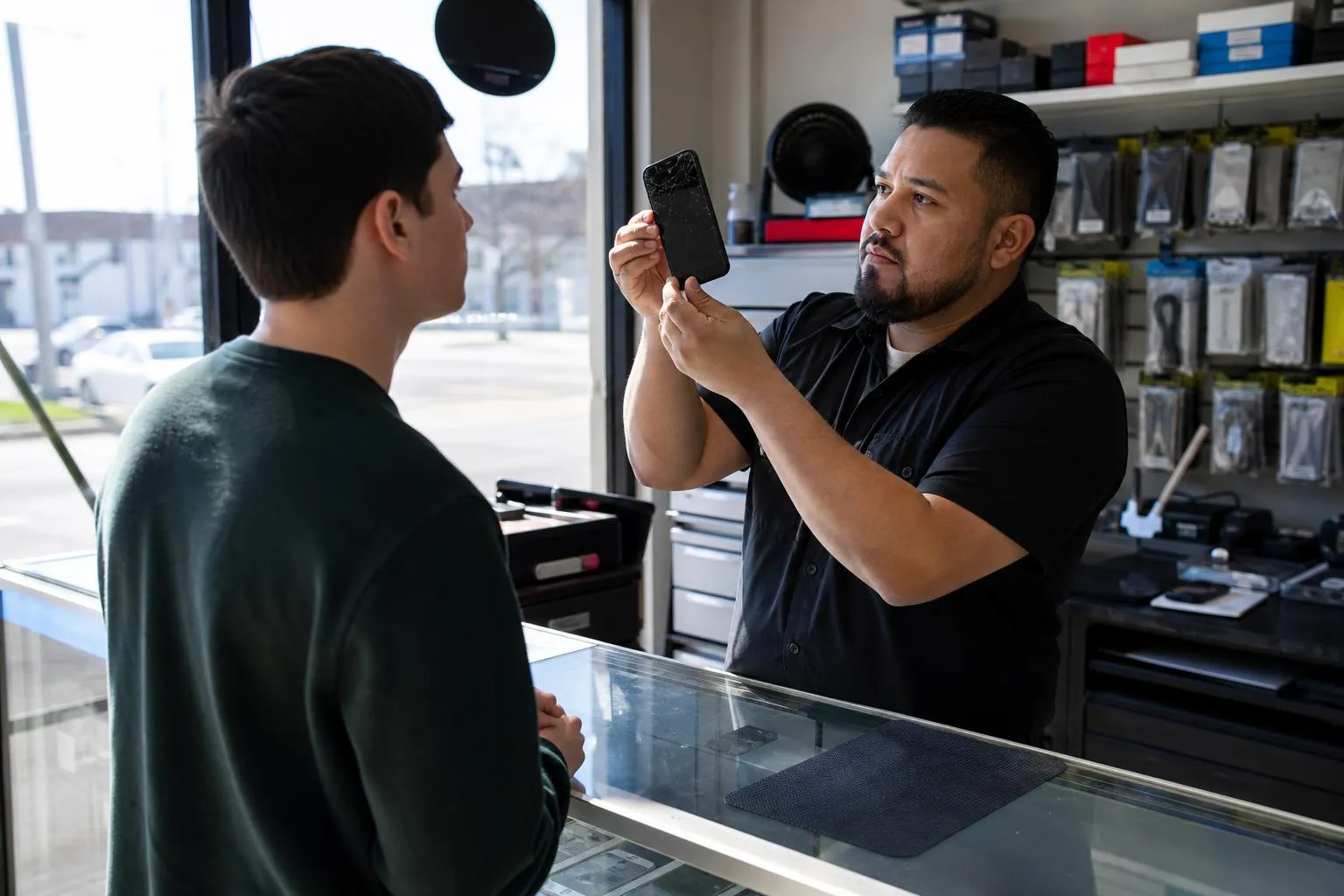
You fixed a shattered iPhone screen for a college kid named Priya eighteen months ago. Fifteen minutes, forty bucks under what the mall kiosk quoted, and she has sent you half her dorm floor since.
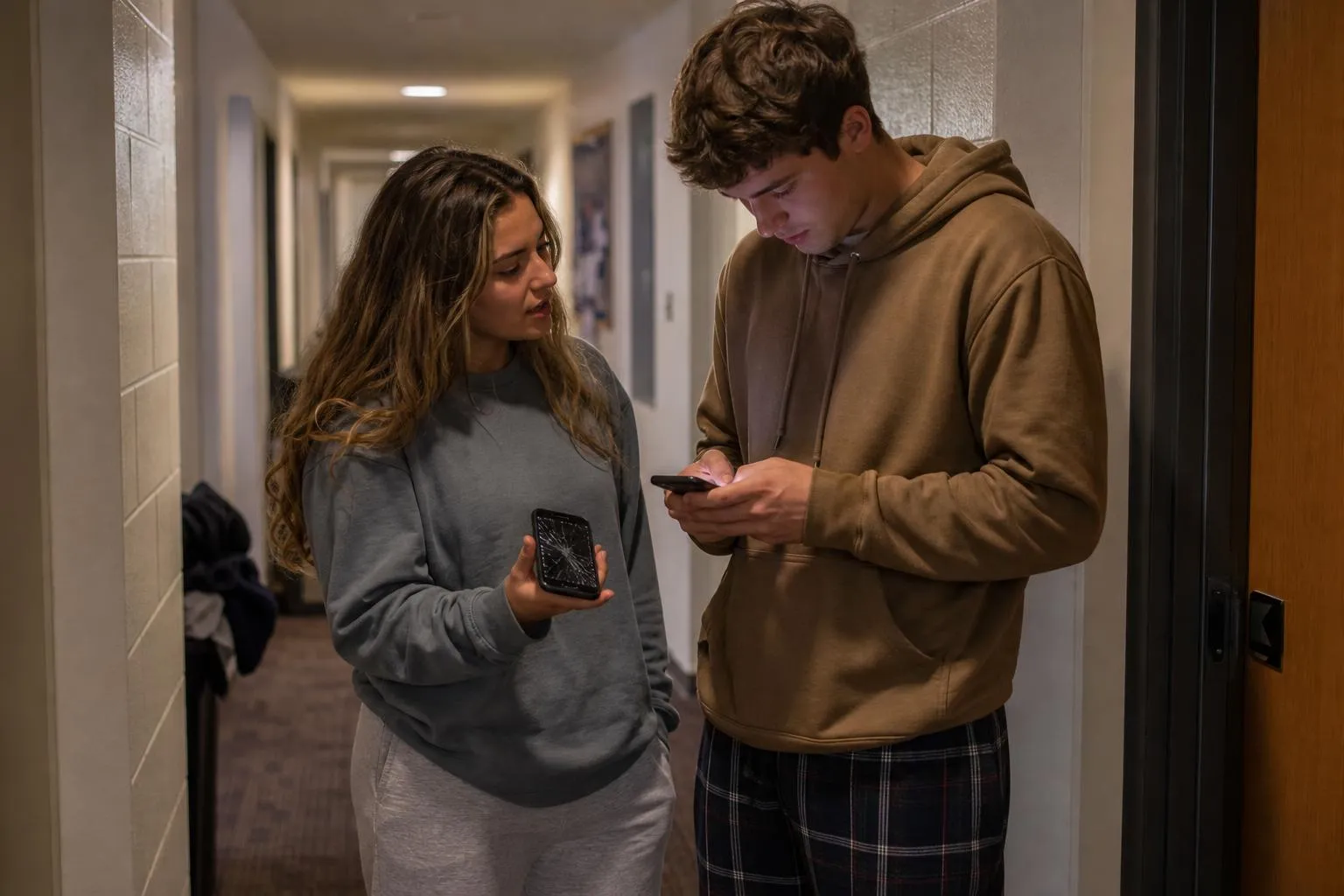
Last week her roommate cracked a screen the night before finals. Priya texted her the shop name. The roommate, mid-panic, typed it into Google right there in the hallway.
Whatever loaded on that screen had about eight seconds to confirm what Priya had just promised.
A referral used to be a closed deal. Now it’s just a browser tab.
Repair shops love word of mouth because it arrives pre-sold, no ad spend, no haggling. That was true before everyone carried a search engine in their pocket. Today a referral is a warm lead with one extra step: the customer checks that the recommendation still holds up. It takes seconds and nobody skips it, whether they’re picking a taco truck or a screen repair shop. BrightLocal found 88% of people trust online reviews as much as a friend’s word, so your site is doing almost as much convincing as Priya did.
That means your website gets a vote on every single referral, no exceptions. An outdated one votes against you.
The roommate lands on a page built when the shop still repaired flip phones. Stock photos of a generic toolkit. No mention of the newest iPhone or Samsung models. Zero reviews above the fold. Nothing screams bad shop, but nothing confirms the place Priya just vouched for either. That gap is where doubt slides in: “Is this even the same place? Let me check what else is around.”
Through no fault of your repair quality, turnaround time, or reputation, you’re suddenly back in an open contest against every kiosk and chain in a five mile radius, one the worse repair shop with the sharper website frequently wins. That’s the trust tax: the slice of earned referrals an aging site skims off before they ever dial your number.
Why this is the costliest traffic to lose
Run the cost-per-lead math and a lost referral is a disaster. It arrived free, paid for by a fast, honest repair months ago. It’s usually your best customer, referred people don’t haggle over the $20 difference between your price and the kiosk’s, and they refer onward, so losing one customer loses a whole future branch of business. Worst of all, it leaks silently. The roommate never calls, Priya never finds out, and the whole thing dies in a phone browser.
Running on word of mouth alone
- Free customers. Months of fast, honest repairs already paid for them.
- Referred customers rarely price-shop against you.
- Every happy repair compounds into more walk-ins with zero ad spend.
Running on word of mouth alone
- Every referral now passes through your website before it becomes a customer.
- Leaks are invisible: the roommate never calls and Priya never knows.
- One stale site taxes your cheapest, best channel at the worst possible moment.
The vote happens faster than a cracked screen replacement
A referred visitor gives you a little more benefit of the doubt, and she’s on her phone, probably the cracked one, checking with her thumb over the spiderweb of glass. Google found 53% of mobile visits abandon a page that takes over 3 seconds to load, and Portent measured conversions dropping 4.4% for every extra second in the first five. The average page takes 8.6 seconds on mobile. A neglected repair shop site usually takes longer.
| Load time | Chance the visitor bounces (Google) |
|---|---|
| 1 to 3 seconds | +32% |
| 1 to 5 seconds | +90% |
| 1 to 6 seconds | +106% |
| 1 to 10 seconds | +123% |
A dated site fails on both fronts at once: slow enough to lose her before the price even loads and awkward to tap with a cracked screen in her hand. She showed up ready to book. The site never let her.
What a referred customer actually needs to see
Here’s the upside: a referred visitor already wants to believe you’re the right shop. The site just has to hand her the proof.
Signs the shop is current. Today’s phone models listed, recent reviews, a photo that doesn’t look like 2015. The question isn’t “are they good,” Priya settled that. It’s “are they still the same shop she used?”
A price, not a promise. “Call for a quote” loses to a number. An instant estimate for her exact model tells her this is worth the walk before she even leaves her dorm room.
Proof in ten seconds. Star rating, review count, turnaround time, warranty. She’s not reading a paragraph, she’s scanning.
One tap to act. Click-to-call or a booking button that works with a thumb, because that’s the only finger she’s using around a cracked screen.
Notice what’s missing: cleverness. A referral page doesn’t need to persuade from zero. It needs to confirm, fast, on a phone, without friction.
Count your own trust tax
Leaked referrals never show up as a line item, only as a feeling: “word of mouth seems slower this semester” while your reviews stay strong. If the whole funnel feels sluggish, start with why a repair shop’s website gets traffic but no customers. Then run Dara’s numbers against your own counter.
Stop taxing the reputation you already earned
You built a reputation good enough that a panicking student texts your name at midnight before finals. Every year the site sits untouched, the tax on that reputation climbs, and it collects from customers you already won.
We build phone repair websites that do the confirming for you: current model lists, instant quotes, stacked with reviews, one tap from a booked repair, done start to finish in 7 days. Watch the free video walkthrough and picture Priya’s roommate landing on that page instead of the old one. Once it’s live, keeping it current isn’t on your plate either: changes go live within 24 hours, and our ongoing growth services keep the proof fresh every semester.
Frequently asked questions
How do I know if my outdated website is costing me referrals?
The tell: happy customers, solid reviews, but foot traffic from word of mouth feels slower than it used to. Ask every walk-in who sent them and log it for a month, then compare after the site is rebuilt. Dara’s 28% leak only showed up once she counted.
How much does a website that confirms referrals cost?
$2399£1,899 one-time for the Standard build, or $7500£5,900 for the bigger Growth system with mail-in flow and deeper local SEO. Pricing is published on the page, no contracts, changes go live within 24 hours, and you own everything.
Do I really need a new website if my repairs speak for themselves?
In person they do. Online, the website speaks for you, and 88% of people weigh its reviews about as heavily as a friend’s text. Every referral crosses that page before it becomes a booked repair, it’s the last step of your reputation.
How fast can the leak be fixed?
Seven days from kickoff to launch, done for you start to finish. You hand off a project instead of taking one on. The next referral should land on a page that confirms everything Priya already said.
Next in this series: Your phone repair website could be turning the same visitors into twice as many customers
Your move
Reading this does not book a job.
The owners who pull ahead are the ones who change one thing this week. If you want that one thing to be a website that sells and ads that put it in front of the right people, we build and run both for you.
Straight answer on whether we can help, usually the same day.