The trust tax: how an outdated pressure washing website kills referrals you already earned
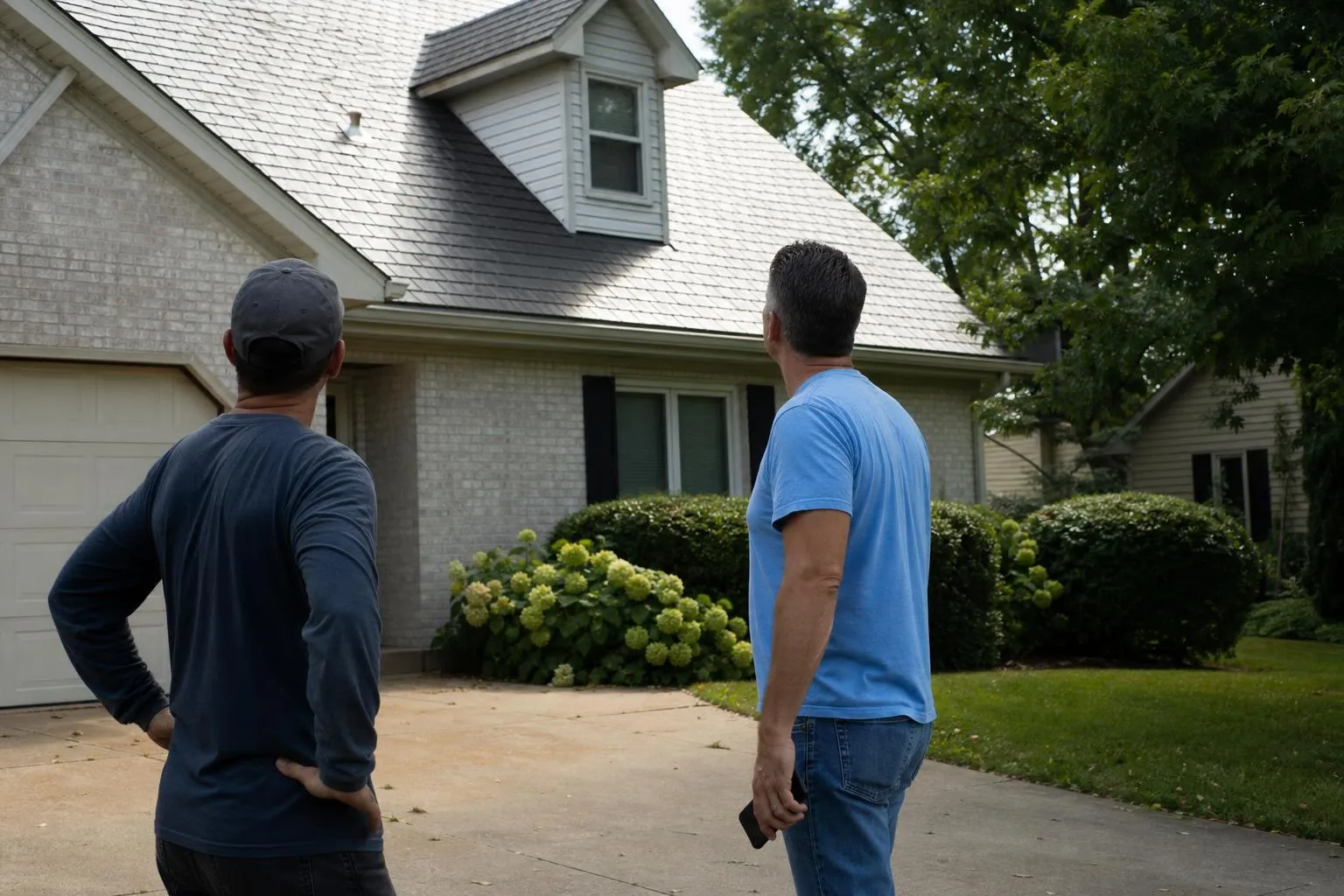
You stripped two years of algae off a roof owned by a guy named Otis last spring, no streaking, no missed spots, gone in a single afternoon. Otis has been pointing at that roof to anyone who’ll listen ever since.
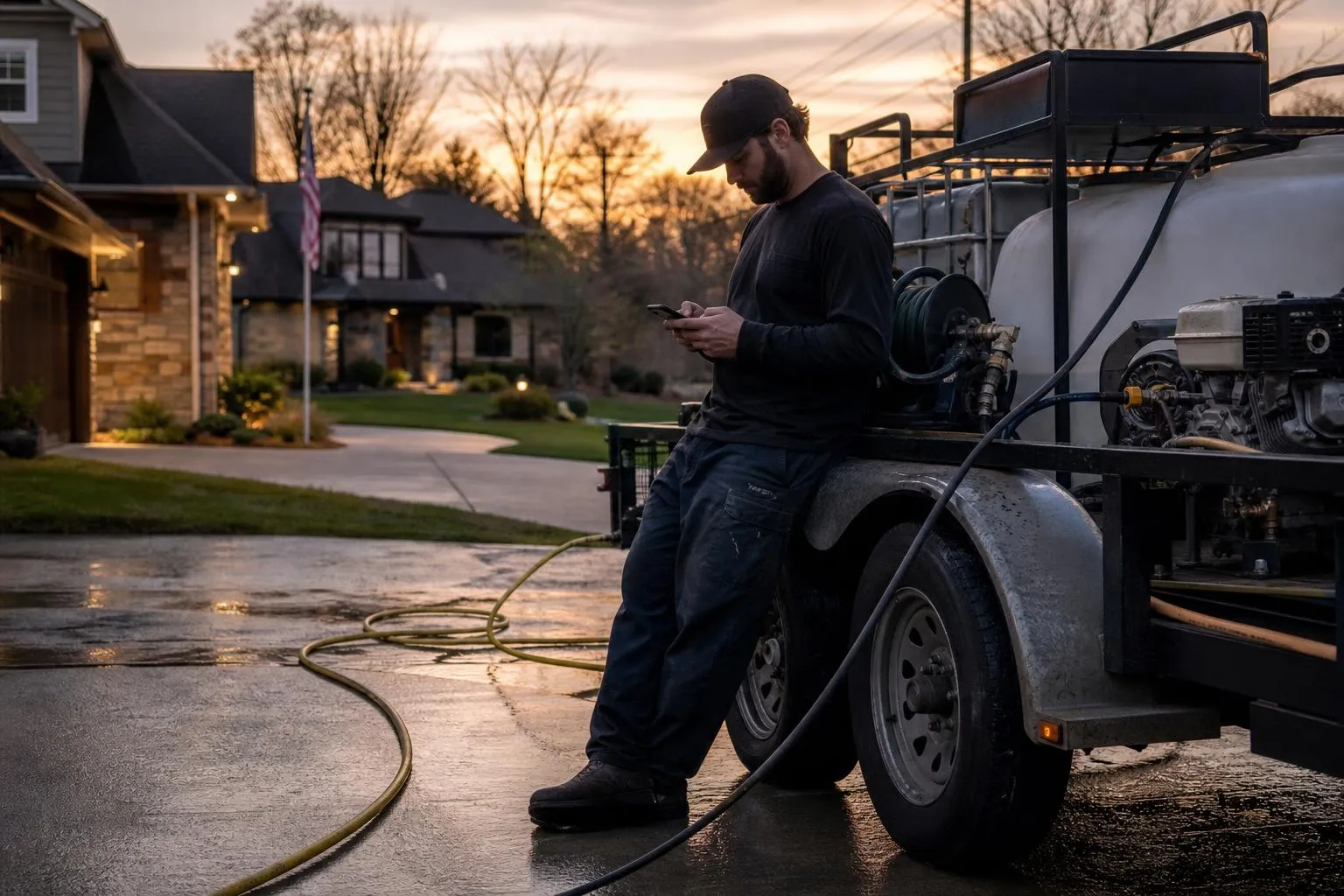
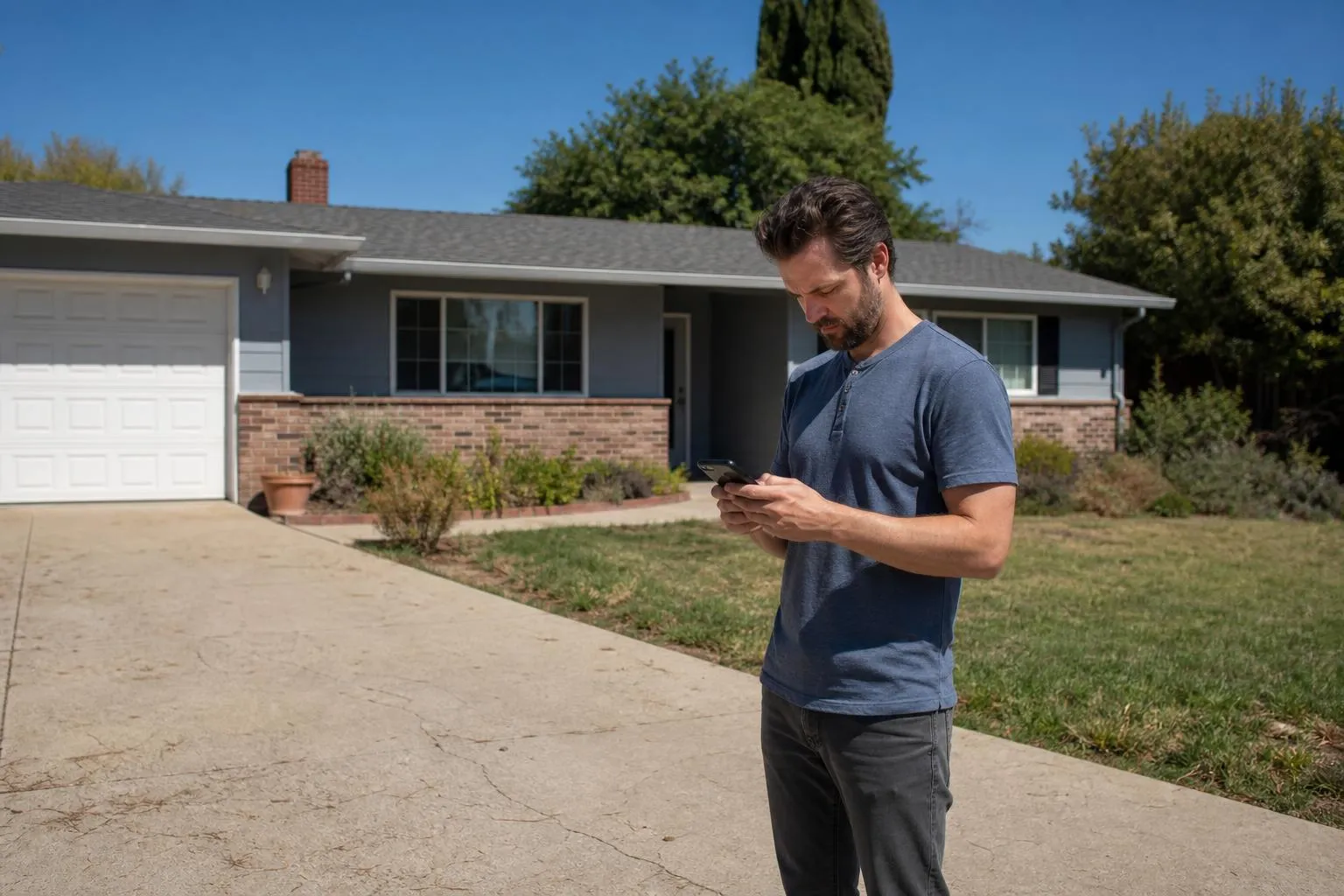
Last weekend a neighbor walking his dog stopped to ask about it. Otis gave up your name on the sidewalk without hesitation. That evening, before calling, the neighbor did what almost everyone now does first.
He looked you up.
Your company name, typed into a phone on his back porch. Whatever loaded next had to hold its own against everything Otis had just said.
A referral doesn’t book the job anymore. It opens a tab.
Pressure washers love referrals because the customer shows up already sold. The service list is the catch. Otis’s neighbor heard about the roof, but her problem is a driveway and a deck, and the property manager down the street wants a commercial quote. They all look at the page to see if you do what they need, and the newest, highest-margin service is the one most sites never mention.
That gives your website a vote on every referral you earn. One that says only “driveways and siding” votes against you.
The neighbor opens a page with a handful of blurry before/afters from a phone camera years old, no mention of roof cleaning at all, and no reviews visible. Nothing on it says bad crew, but nothing confirms the outfit Otis just praised either. Doubt slips in fast: “Are they even still doing roofs? Maybe I’ll check who else is around.”
Through no failure of your work or your pricing, you’re suddenly back in an open contest against every guy with a rig from Home Depot and a Facebook Marketplace ad, one the worse pressure washer with the sharper website frequently wins. That’s the trust tax: the slice of earned referrals a stale site skims off before it ever reaches your phone.
Why this is the costliest lead you can lose
By cost-per-lead math, a lost referral is brutal, and the bigger the potential job, the worse it stings. It’s free, paid for by seasons of clean, careful work. It’s often your best kind of lead, referred customers rarely collect three competing quotes the way cold leads do, and referrals from homeowners can lead straight to their HOA board, so losing one loses a whole contract’s worth of future work, not just one driveway. Worst of all, it leaks silently: the neighbor never calls, Otis never finds out, and the deal dies quietly in a browser tab.
Running on word of mouth alone
- Free leads. Seasons of clean, careful work already paid for them.
- Referred customers rarely price-shop three competing quotes.
- Every finished roof or driveway compounds into more calls with zero ad spend.
Running on word of mouth alone
- Every referral now passes through your website before it becomes a call.
- Leaks are invisible: the neighbor never calls and Otis never knows.
- One neglected site taxes your strongest channel right as it’s about to hand you your biggest contract.
The vote happens faster than a driveway dries
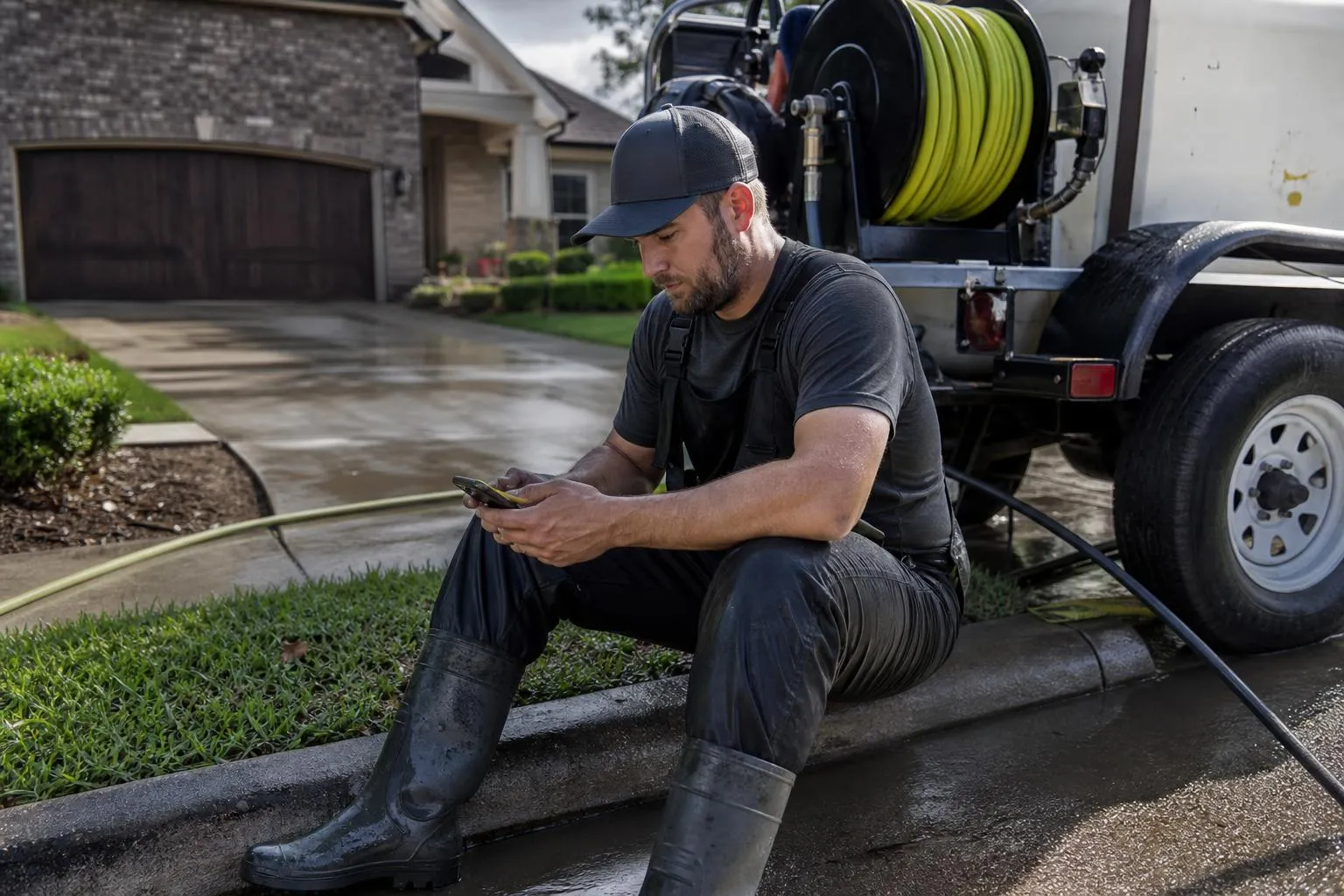
A referred visitor grants a little more patience than a stranger would, and he is very likely on his phone, standing on the same porch he is picturing clean. Google’s 2016 research found that 53% of mobile visits are abandoned when a page takes longer than 3 seconds to load, and Portent’s 2022 analysis found that a page that loads in 1 second converts about 3 times better than one that loads in 5. Pressure washing sites are usually loaded with oversized before-and-after images. The images that sell the work are the ones that stall the page on a phone, so the homeowner sees a spinner where the clean driveway should be.
An old site fails on both fronts at once: slow enough to lose him before a single before/after loads and clumsy on the phone in his hand. He arrived ready to book. The site never gave him the chance.
What a referred customer needs to see
The encouraging part: a referred visitor already wants the recommendation confirmed. The site just has to hand him the proof.
Signs of recent work. This year’s before/afters, not the batch from when Otis’s roof got done. The question isn’t “are they good,” Otis settled that. It’s “are they still taking jobs like mine?”
A crew he can picture. He was referred to real people, not a stock logo. A photo of the actual truck and crew connects his neighbor’s story to the page in front of him.
Proof in his language. Stars, review count, insured, years in business, before/afters that look like his own street. Ten seconds of skimmable reassurance.
An effortless next step. A tap-to-call button or a quick quote form. He arrived ready to book; the site should not slow him down. For commercial or HOA visitors, a clean, professional page also does something Otis’s word never could: it makes them comfortable sending you the RFP.
Notice what’s missing: cleverness. A referral page doesn’t need to sell him on pressure washing. It needs to confirm, fast, on a phone, without friction.
Count your own trust tax
Leaked referrals never show up in your books, only as a feeling: “word of mouth seems slower this spring” while your reviews stay strong. If the whole funnel feels sluggish, start with why a pressure washing website gets visitors but no jobs. Then run the numbers against your own crew.
Stop taxing the reputation you already earned
You spent seasons earning the kind of reputation that makes Otis point at his own roof and hand your name to a stranger walking a dog. Every year the site sits untouched, the tax on that reputation climbs, and it collects from work you already won.
A pressure washing site that backs Otis up lists every surface you clean, roofs included, with this season’s before-and-afters for each, shows the rig and the crew, and gives a property manager a quote form professional enough to send an RFP through. We build it in 7 days and the rigs stay busy. Watch the free video walkthrough and picture Otis’s neighbor, or the next HOA board, scrolling it. New job photos or a commercial services page go live within 24 hours.
If the old site has ranked for driveway and house washing searches for a few seasons, our website redesign and migration work maps those pages to the new build, so you are not starting over in search.
Frequently asked questions
How can I tell referred callers are checking the site and leaving?
Ask every new caller who sent them and log it for a season, then compare after the site is rebuilt. A leak like this only shows up once you count it, and the referral you never hear about can be the one attached to a five-figure contract.
What does a pressure washing website that confirms referrals cost?
$2399£1,899 for the Standard website, or $7500£5,900 for the Growth website with lead routing and deeper local SEO. Prices are published on the page, there are no contracts, and you own everything.
My results are visible on every street I’ve worked. Isn’t that enough?
The streets sell to people who drive down them. The referral comes from someone who describes your work, and the prospect needs a before-and-after, a service list and a way to ask for a quote from a property manager’s desk.
Can this happen during the spring season?
Yes. It takes 7 days from kickoff to launch, done for you, so your rigs stay busy. After launch, new job photos or a commercial services page go live within 24 hours.
Next in this series: Does your pressure washing website turn visitors into quote requests? The conversion rate question
Your move
Reading this does not book a job.
The owners who pull ahead are the ones who change one thing this week. If you want that one thing to be a website that sells and ads that put it in front of the right people, we build and run both for you.
Straight answer on whether we can help, usually the same day.