The Trust Tax: How an Outdated Landscaping Website Kills Referrals You Already Earned
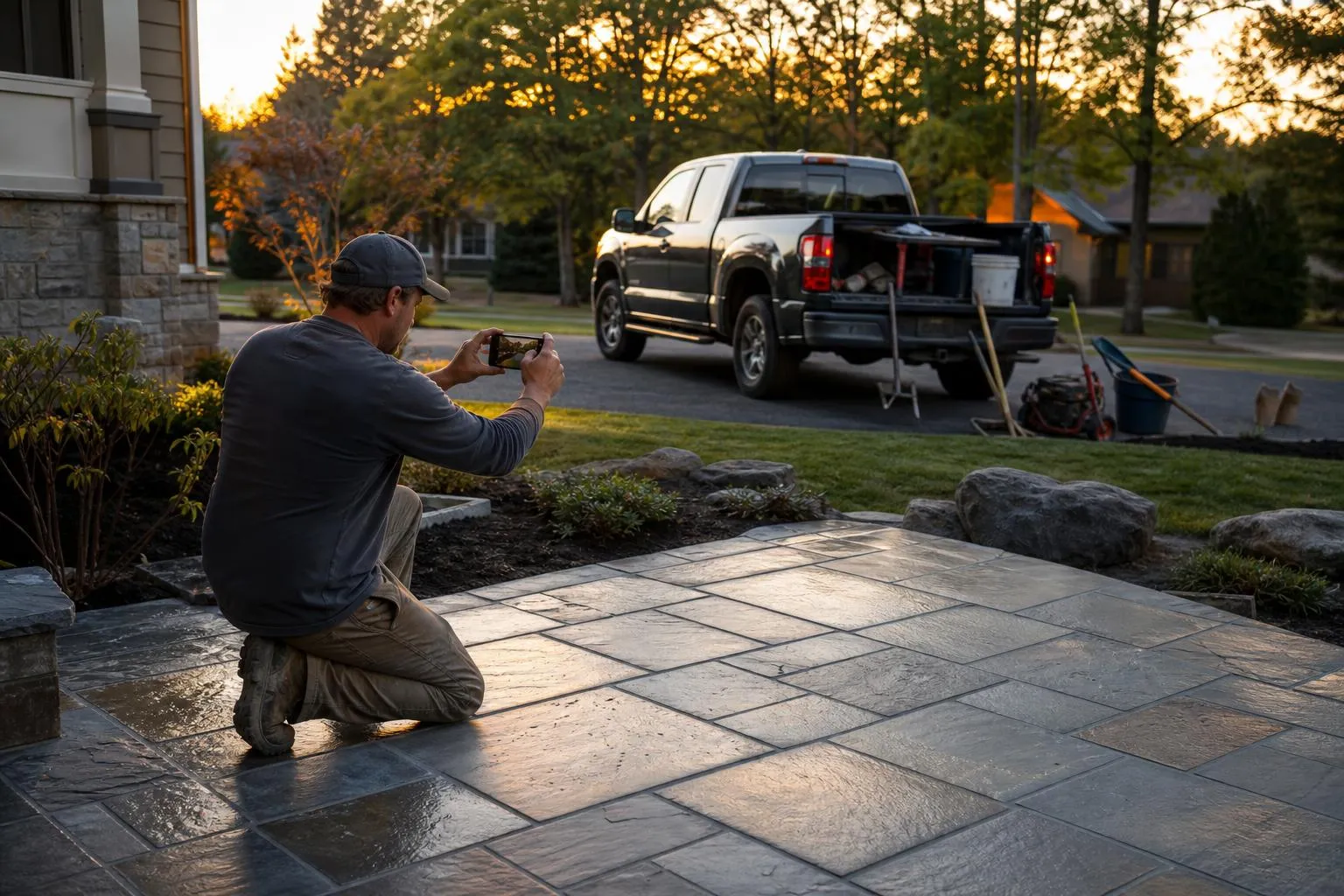
You poured a patio for a guy named Walt three summers ago, on time, on budget, no surprises. Walt has been bragging about that patio to anyone who compliments his yard ever since.
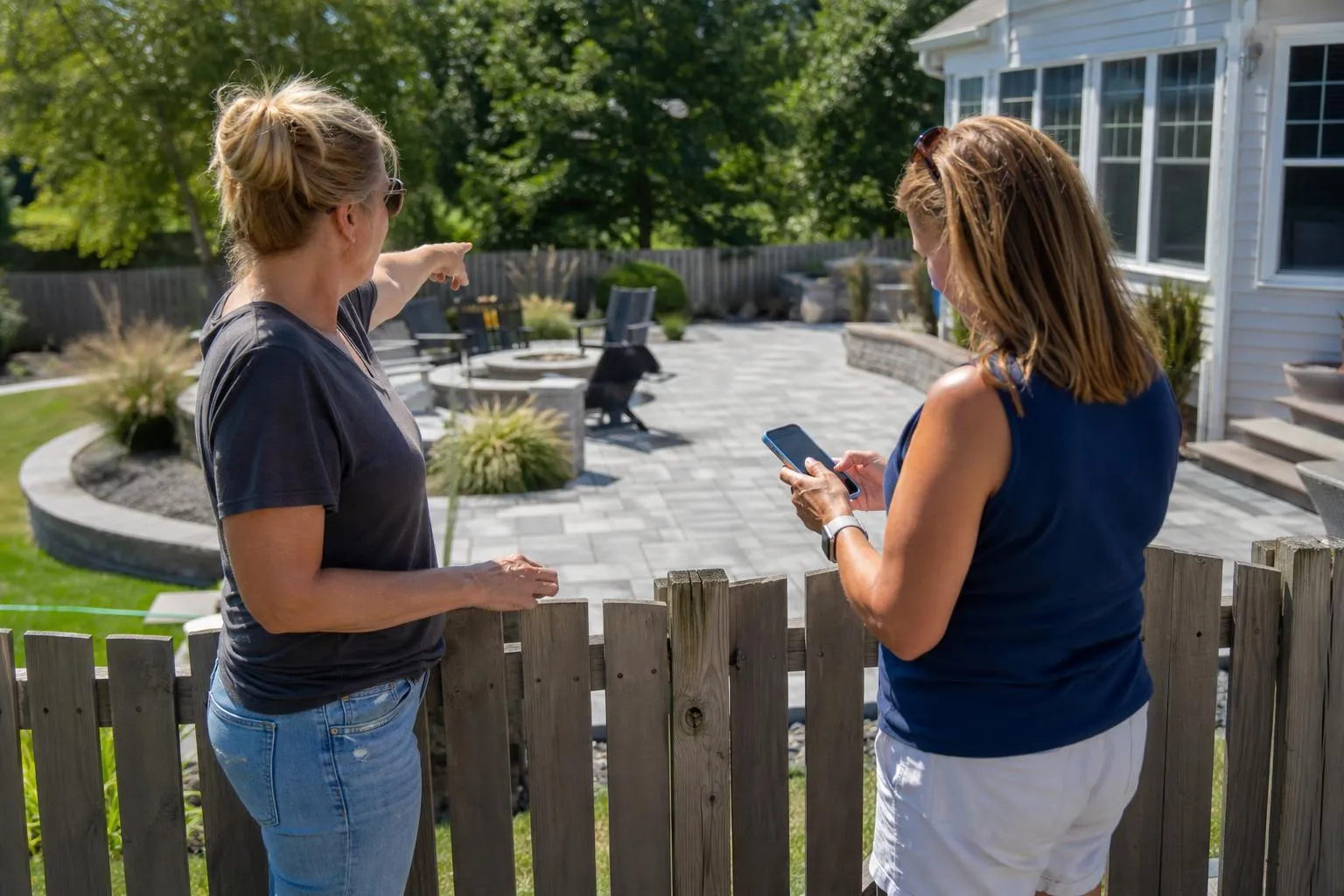
Last month a new neighbor admired it over the fence. Walt gave up your name on the spot. That evening, before dialing, she did what nearly every homeowner now does first.
She looked you up.
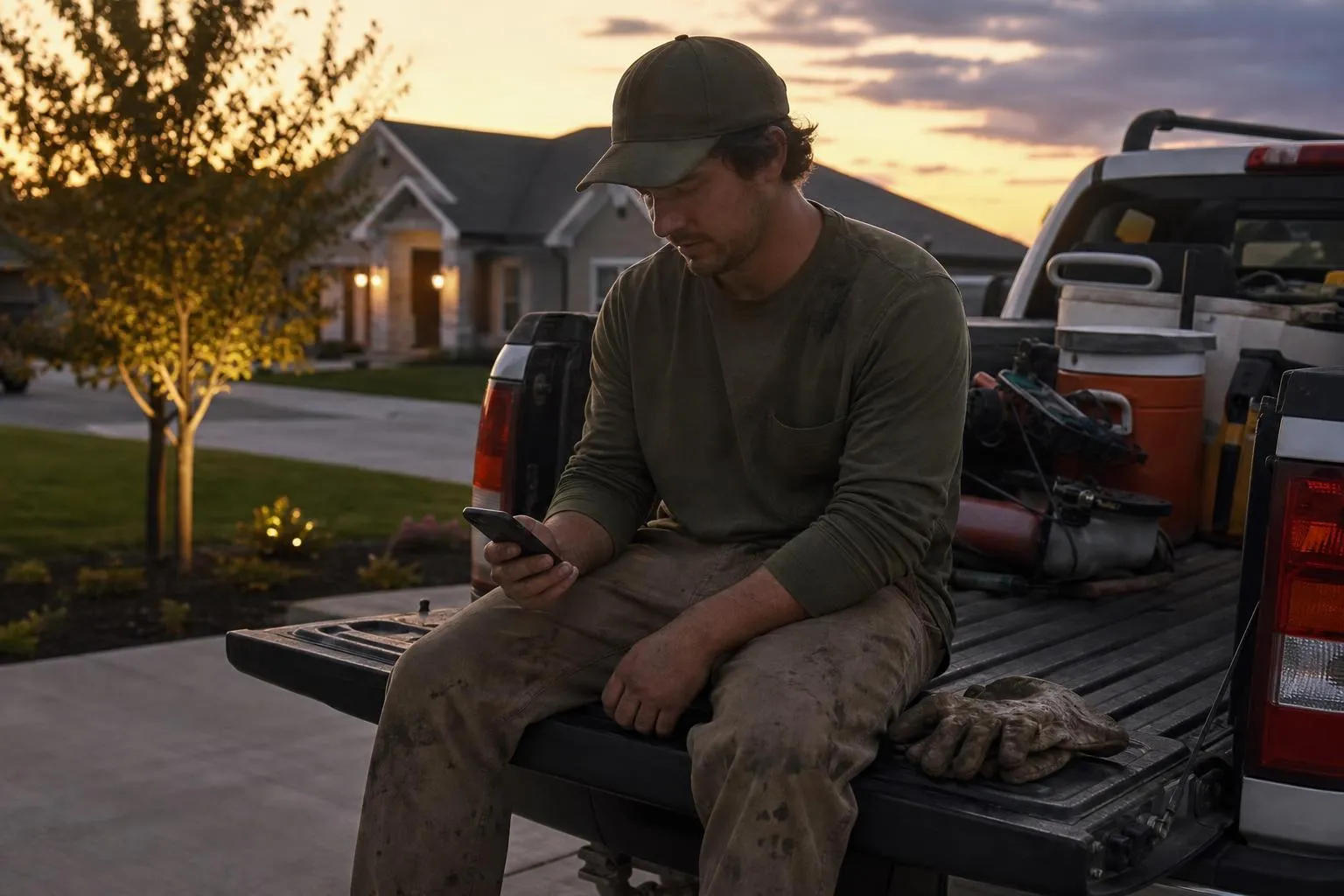
Your crew’s name, typed into a phone on her couch. What loaded in the next few seconds had to go head-to-head with everything Walt had already told her.
A referral doesn’t book the job anymore. It opens a tab.
Landscapers love referrals because they arrive halfway sold. That’s less true than it used to be. A referral today is a warm lead with a verification step built in: before calling, the homeowner confirms the recommendation still matches what she’s about to spend real money on. It takes about eight seconds and nearly everyone does it, for a patio contractor same as a pediatrician. BrightLocal found 88% of people trust online reviews as much as personal recommendations, so your review section is carrying nearly the weight of Walt’s word over the fence.
Mechanically, that means your website gets a vote on every referral you earn. Every one passes through it. An outdated site votes against you.
The neighbor opens a page with drone shots from a decade-old lens, a portfolio missing the last three years of installs, and no reviews in sight. Nothing on the page says bad landscaper. But nothing confirms the crew Walt just raved about either. Doubt creeps in quietly: “Are they even still doing installs? Maybe I’ll get two more quotes first.”
Through no failure of your craftsmanship or pricing, you’re back in an open bidding war against every outfit with a truck and a logo, one the worse landscaper with the sharper website often wins outright. That’s the trust tax: the share of earned referrals a stale site skims off before they ever reach your phone.
Why this is the most expensive lead you can lose
By cost-per-lead math, a lost referral is brutal. It’s free, paid for by seasons of clean installs and honest quotes. It’s usually your biggest job, referred homeowners rarely price-shop three bids the way cold leads do, and they refer onward themselves, so losing one loses the whole branch, not just the leaf. Worst part: it leaks invisibly. The neighbor never calls, Walt never finds out, and a $6,000 patio dies quietly in a browser tab.
Running on word of mouth alone
- Free leads. Years of clean installs already paid for them.
- Referred homeowners rarely shop three competing bids.
- Every finished yard compounds into more calls with zero ad spend.
Running on word of mouth alone
- Every referral now passes through your website before it becomes a call.
- Leaks are invisible: the neighbor never calls and Walt never knows.
- One neglected site taxes your strongest channel at its highest-value moment.
The vote happens before she finishes her coffee
A referred visitor grants a little more patience than a cold one, and she’s very likely on her phone, standing in her own yard picturing the same patio. Google found 53% of mobile visits abandon a page that takes over 3 seconds to load, and Portent measured conversions dropping 4.4% for every extra second in the first five. The average page needs 8.6 seconds on mobile. Neglected landscaping sites, loaded with unoptimized drone footage, often need far more.
| Load time | Chance the visitor bounces (Google) |
|---|---|
| 1 to 3 seconds | +32% |
| 1 to 5 seconds | +90% |
| 1 to 6 seconds | +106% |
| 1 to 10 seconds | +123% |
An old site fails on both fronts at once: slow enough to lose her before a single before/after loads and clumsy on the phone in her hand. She arrived ready to picture her own backyard. The site never gave her the chance.
What a referred homeowner needs to see
The encouraging part: a referred visitor wants the recommendation confirmed, not re-earned from scratch. The site just has to hand her the evidence.
Proof of recent work. This year’s before/afters, not the ones from when Walt’s patio went in. The question isn’t “are they good,” Walt settled that. It’s “are they still doing work like this?”
A crew, not a logo. She was referred to real people. A photo of the actual team on a real job site connects her neighbor’s story to the page in front of her.
Numbers she can skim. Star rating, review count, years in business, licensed and insured, project photos from her own zip code. Ten seconds of reassurance, no reading required.
An effortless next step. A quote form that filters for real projects, or a tap-to-call button. She arrived ready to book a consult; the site must not slow her down.
Notice what’s missing: cleverness. A referral page doesn’t need to sell her on landscaping. It needs to confirm, fast, on a phone, with nothing in the way.
Count your own trust tax
Leaked referrals never show up in your books, only as a feeling: “word of mouth seems slower this spring” while your reviews stay glowing. If the whole funnel feels sluggish, start with why a landscaping website gets visitors but no jobs. Then run Renata’s numbers against your own crew.
Stop taxing the reputation you already earned
You spent seasons earning the kind of reputation that makes Walt brag about your patio to strangers over a fence. Every year the site sits untouched, the tax on that reputation climbs, and it collects from work you already won.
We build landscaping websites that do the confirming for you: current before/afters, fast, stacked with proof, one tap from a quote request, done start to finish in 7 days. Watch the free video walkthrough and picture Walt’s neighbor landing on that page instead of the old one. Once it’s live, staying current isn’t your job either: changes go live within 24 hours, and our ongoing growth services keep the proof fresh season to season.
Frequently asked questions
How do I know if my outdated website is costing me referrals?
The tell: happy clients, steady reviews, but word of mouth feels slower than it used to. Ask every new consult who sent them and log it for a season, then compare after the site is rebuilt. Renata’s 20% leak only showed up once she counted.
How much does a website that confirms referrals cost?
$2399£1,899 one-time for the Standard build, or $7500£5,900 for the bigger Growth system with lead routing and deeper local SEO. Pricing is published on the page, no contracts, changes go live within 24 hours, and you own everything.
Do I really need a new website if my work speaks for itself?
In person it does. Online, the website speaks for you, and 88% of people weigh its reviews about as heavily as a neighbor’s word. Every referral crosses that page before it becomes a booked consult, it’s the last step of your reputation.
How fast can the leak be fixed?
Seven days from kickoff to launch, done for you start to finish. You hand off a project instead of taking one on. The next referral should land on a page that confirms everything Walt already said.
Next in this series: Your landscaping website could be turning the same visitors into twice as many jobs
Your move
Reading this does not book a job.
The owners who pull ahead are the ones who change one thing this week. If you want that one thing to be a website that sells and ads that put it in front of the right people, we build and run both for you.
Straight answer on whether we can help, usually the same day.