When and how to hire and train staff for a pressure washing business
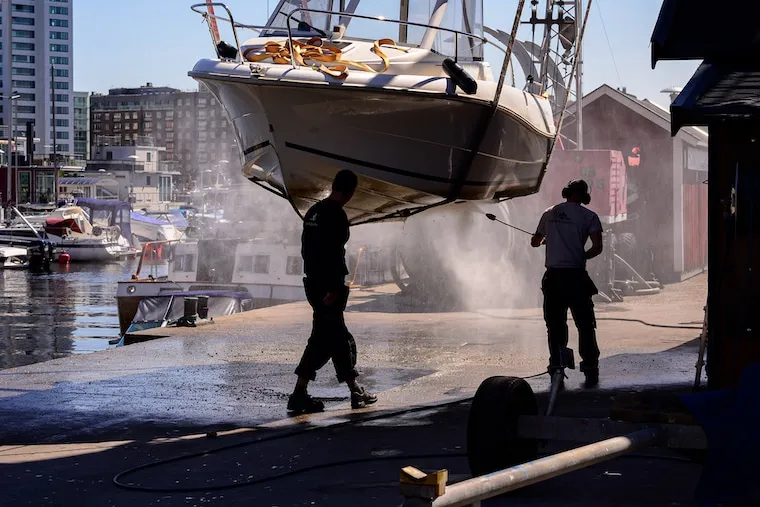
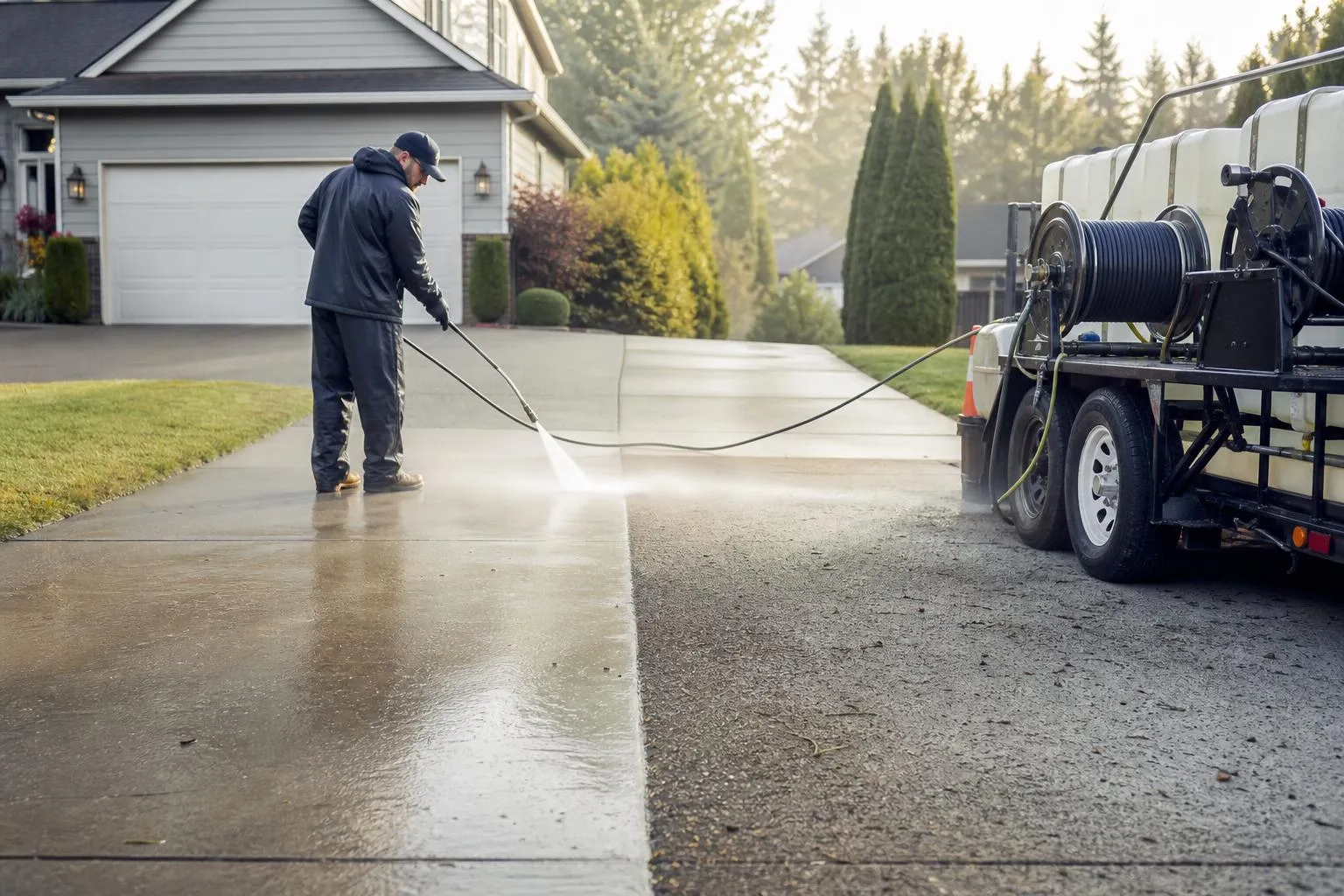
You do not hire your first pressure washing employee when you get busy. You hire when you are the bottleneck, turning away jobs you could have sold, because busy is a good week and turning away work is lost money that repeats every week. The other half nobody warns you about: the wrong person with a zero-degree tip can carve a customer’s concrete or punch water behind their siding in ten seconds, so hiring is a training problem before it is a payroll problem. Here is when to pull the trigger and how to build a tech who does not cost you a damage claim.
Hire when you’re the bottleneck, not just when you’re busy
The mistake is hiring off feeling overwhelmed. Overwhelmed is a scheduling problem you can often fix by tightening your route and batching neighborhoods. The real hire signal is economic: you are consistently booked two or more weeks out, you are declining jobs or pushing them so far that customers cancel, and your own calendar is the only thing capping revenue. That is the moment a second set of hands pays for itself, because every turned-away job is money that walked.
Watch a second trigger too: burnout that starts hurting quality. If you are rushing jobs at 6pm to catch up and comebacks are creeping in, an employee protects the reviews that drive your whole business. Hire before the exhaustion shows up in your work, not after a bad review costs you a month of leads. The broader scaling picture is in how to grow a pressure washing business, and the operations side in how to successfully run a pressure washing business.
| Signal | What it means | Move |
|---|---|---|
| Booked 2+ weeks out, steadily | Demand exceeds your solo capacity | Hire a helper now |
| Turning away or losing jobs | Lost revenue, repeating weekly | Hire; the job pays the wage |
| Rushing at day’s end, comebacks up | Quality slipping from fatigue | Hire to protect reviews |
| One big commercial contract landed | Volume you can’t cover alone | Hire before you sign it |
| Just a busy week | Normal seasonal swing | Tighten route first, don’t hire |
Screen for the trait you can’t train
You can teach anyone to run a surface cleaner in a day. You cannot teach someone to care whether the customer’s flower bed survives. So screen for conscientiousness and reliability over experience, because a careful rookie beats a fast veteran with bad habits every time. In interviews, ask how they would handle overspray drifting onto a car, or what they would do if they saw a crack in the concrete before starting; the answers reveal whether they think about consequences.
The physical reality matters too. This is hot, wet, ladder-climbing work in summer heat, so confirm they can handle 8 hours on their feet hauling hose. And because your tech will be alone on a customer’s property representing your brand, the customer-facing basics, shows up on time, communicates, does not smoke on the lawn, are not optional. A clean driving record is non-negotiable if they will drive the rig. New owners still assembling the launch fundamentals should see the best way to start and get into pressure washing.
Pay to keep the good one, not to fill the seat
The going rate for a pressure washing tech is roughly $16 to $22 an hour depending on your market, with experienced soft-wash techs at the top. Pay at the top of that band for the person who sticks, because turnover is the hidden killer: every time a trained tech quits, you eat the retraining time and the damage risk of breaking in another rookie. A per-job or production bonus (a few dollars per completed job, or a small percentage of the ticket) aligns them with speed and quality without you standing over them.
Structure the pay so the second bay actually makes money. If a tech at $20 an hour lets you run a second crew billing $120-plus an hour of production, the wage is a fraction of the added revenue, which is the whole point of hiring. But that math only holds if the bay stays booked, which makes marketing, not the wrench, the constraint on whether the hire works, and pricing that spread correctly is covered in setting best prices and billing.
W-2 employee vs 1099 crew
- You control the schedule, the process, and the quality that protects your reviews.
- A trained W-2 tech who learns your customers cuts comebacks and stays for years.
- You can send them solo under your insurance and brand, truly cloning yourself.
W-2 employee vs 1099 crew
- You pay the wage whether the day is booked or dead, plus comp and payroll tax.
- Workers comp for exterior cleaning runs $4 to $8 per $100 of payroll, a real four-figure line.
- Misclassifying a true employee as 1099 to dodge that cost invites back taxes and penalties.
Train for damage prevention first, cleaning second
Order your training the way the risk runs. Day one is not “how to clean,” it is “how not to destroy the customer’s property.” Teach tips and pressure first: which nozzle for which surface, why you never put a turbo or zero-degree tip near siding, wood, or a window, and why soft washing (low pressure plus chemistry) does houses and roofs, never high PSI. A green tech who learns cleaning before he learns restraint is a claim waiting to happen.
Then layer the process: chemical mixing and dilution, surface-by-surface technique, protecting plants by pre-wetting and rinsing, and the customer-facing walkthrough at the end. Ride along on the first 10 to 15 jobs before you ever send them solo, because the first unsupervised job is statistically your highest damage risk. Once they are solo, a written SOP and a photo checklist (before photo, tip used, after photo, texted to you) keeps quality consistent and gives you documentation if a dispute arises.
Getting found is what keeps the second crew busy
A new hire only pays off if the calendar stays full, so the marketing that fills your route is what makes the whole payroll math work. Two free moves keep both crews booked: post every tech’s best before-and-after jobs to your Google Business Profile so the volume of visible work pulls more calls, and ask every customer for a review naming the service, since a deep review count is what makes a searching homeowner pick you over the low bidder.
The higher-leverage work is a website that ranks for your towns and converts searches into booked jobs fast enough to keep two crews moving, because an idle employee is the most expensive thing in this business. To have that built to convert, get a free video walkthrough of your website. For local SEO and ads that keep the schedule full, see our services. If you are mapping the growth plan before you add payroll, start at expntl.com.
Frequently asked questions
When should I hire my first employee?
Hire when you are consistently booked two or more weeks out and turning away jobs, not just when a week feels busy. The signal is lost revenue that repeats, because every declined job is money gone, so a second set of hands pays for itself immediately. Hire a touch early if fatigue is causing comebacks, since protecting your reviews is worth more than the wage.
What should I pay a pressure washing technician?
Roughly $16 to $22 an hour depending on your market, with experienced soft-wash techs at the top of the range, plus a per-job or production bonus to reward speed and quality. Pay at the top of the band for someone who stays, because turnover forces you to retrain and re-expose yourself to the damage risk of a rookie. Budget the fully loaded cost, wage plus comp plus payroll tax, not just the hourly figure.
Do I need workers comp for one employee?
In nearly every state, yes, the moment you have a W-2 employee. Exterior cleaning class codes run about $4 to $8 per $100 of payroll, so a $40,000 helper adds $1,600 to $3,200 a year on top of wages. Skipping it is illegal in most states and leaves you personally exposed if a worker is injured, which for ladder-and-hose work is a real risk.
How long should I train before sending someone solo?
Ride along on the first 10 to 15 jobs, because the first unsupervised job is statistically your highest damage risk. Train damage prevention first, correct tips and pressure for each surface, then technique and customer handling. Once they are solo, a written SOP and a before/after photo checklist texted to you keeps quality consistent and documents the work if a dispute ever comes up.
Should I hire a W-2 employee or use 1099 subcontractors?
Hire W-2 when you want control over schedule, quality, and brand and plan to send someone solo under your insurance, which is most owners’ path to cloning themselves. Use 1099 crews only for genuinely independent operators with their own gear and insurance. Misclassifying a true employee as 1099 to dodge workers comp invites back taxes and penalties that dwarf the premium you tried to save.
Your move
Reading this does not book a job.
The owners who pull ahead are the ones who change one thing this week. If you want that one thing to be a website that sells and ads that put it in front of the right people, we build and run both for you.
Straight answer on whether we can help, usually the same day.