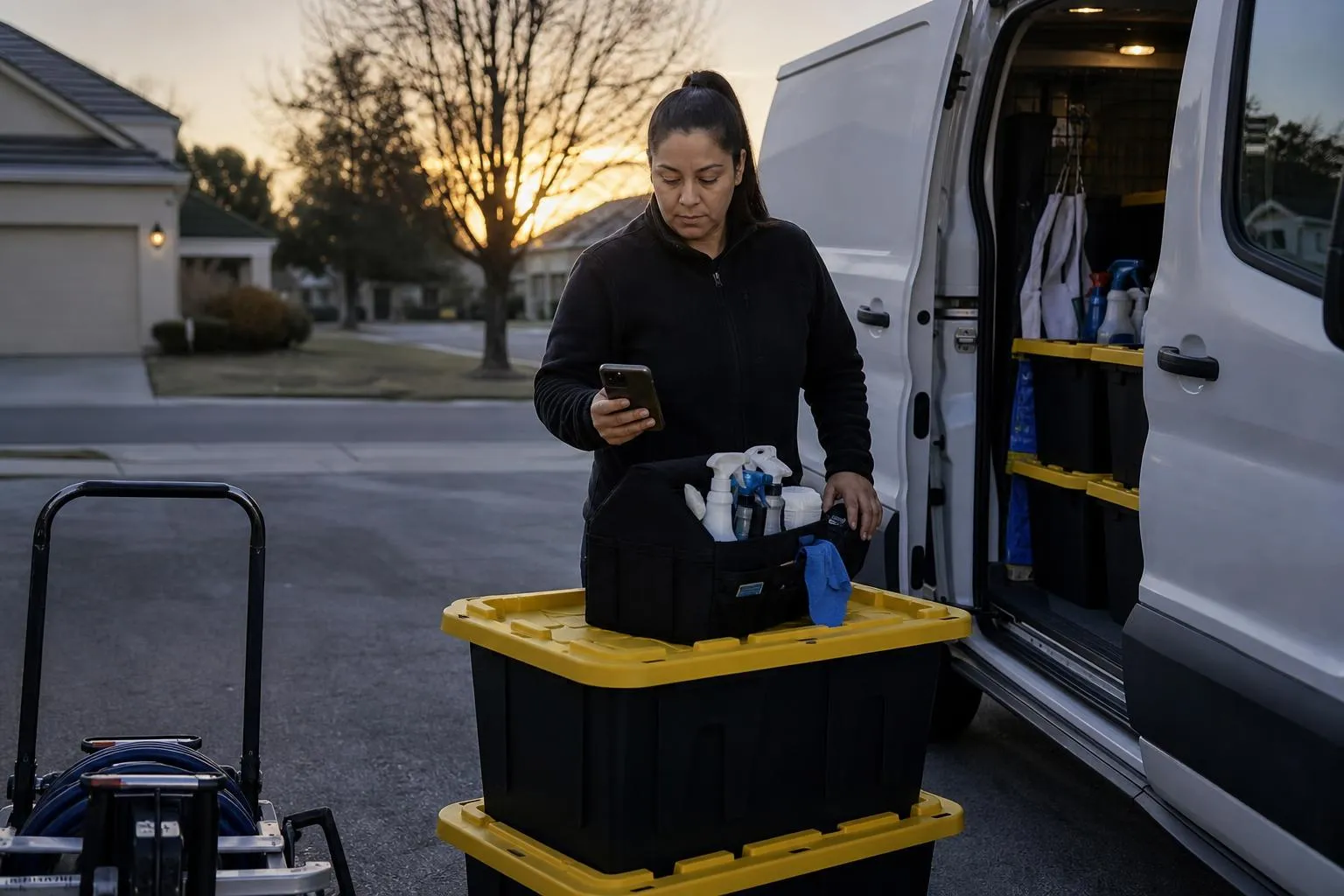
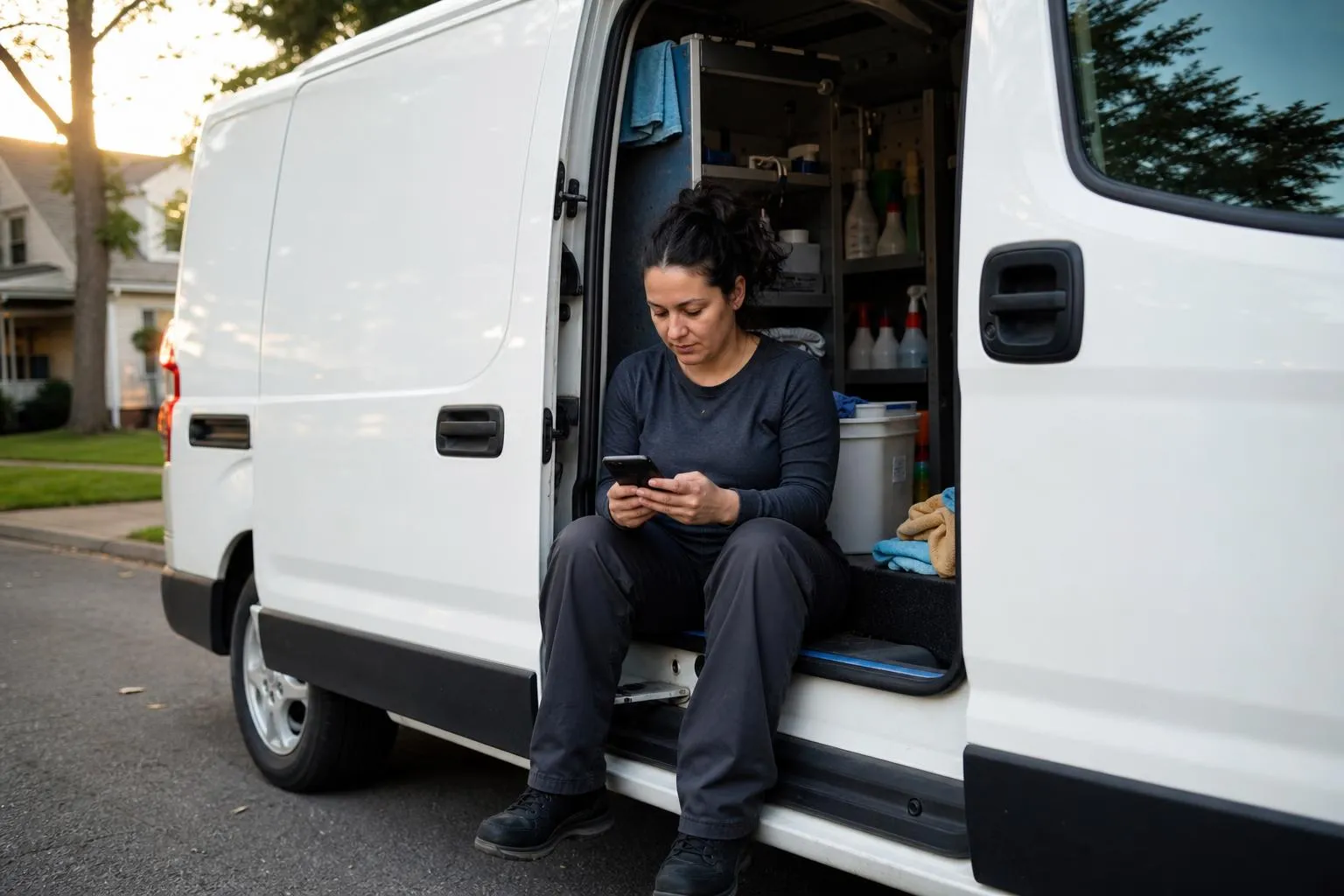
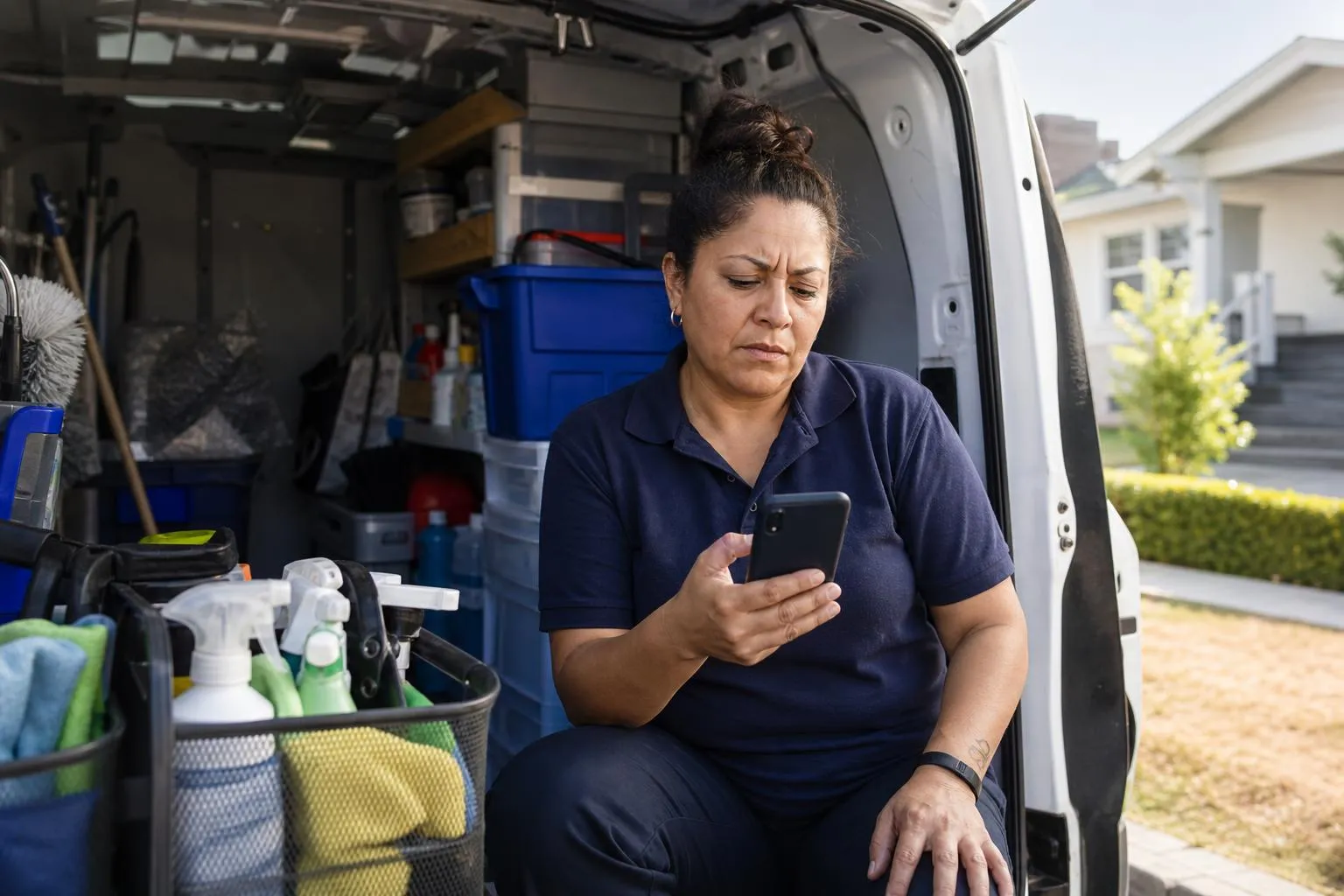
How to start power washing business
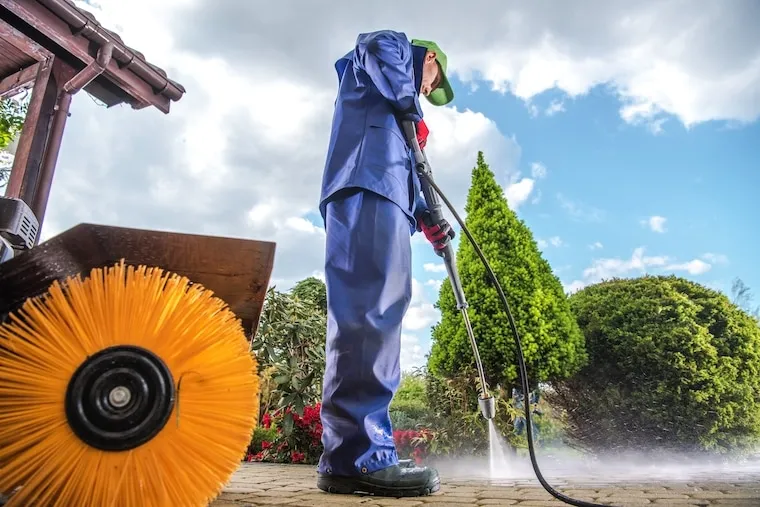
Power washing is one of the few trades where a single person with a trailer can clear six figures, because the gear is cheap relative to what you charge and the work is visible from the street. A homeowner who sees a black driveway turn gray in twenty minutes does not haggle. The catch is that everyone else figured this out too, so the business is won on routing, pricing discipline, and how fast you can turn a curious neighbor into a booked job. Here is how to stand the thing up without torching your savings or your back.
Pick a lane before you buy a thing
“Power washing” hides four different businesses with different gear, margins, and customers. House soft-washing (low pressure, high chemistry) cleans siding and kills the green and black growth that high pressure just blasts around. Flatwork (driveways, sidewalks, parking lots) needs a surface cleaner and burns the most gallons. Roof cleaning is the highest-ticket residential job and the easiest to damage something on. Commercial and fleet work pays steadily but demands insurance, invoicing terms, and patience for net-30.
The mistake is buying a generalist rig and chasing all four. Pick one core service and one adjacent upsell. If you are leaning toward house exteriors, the soft-wash path is its own animal worth reading up on in the pressure washing business guide and the gutter cleaning playbook, since those upsells stack onto the same truck roll.
The real startup math
You do not need $50,000. You also cannot do this credibly on $500. A workable cold-water residential setup is a 4 GPM, 4000 PSI belt-drive unit, a 20-inch surface cleaner, 150 to 200 feet of hose on a reel, a 12-volt soft-wash pump and tank, downstream injectors, and a few hundred dollars of sodium hypochlorite and surfactant. Add a used trailer or a truck bed and you are operating.
| Item | Lean cold-water start | Mid hot-water rig |
|---|---|---|
| Pressure washer unit | $1,200 to $2,500 (4 GPM belt-drive) | $5,000 to $9,000 (hot-water, 5.5+ GPM) |
| Soft-wash system + tank | $400 to $900 | $1,500 to $3,000 |
| Surface cleaner, hoses, reels, tips | $600 to $1,200 | $1,200 to $2,500 |
| Trailer or bed setup | $0 to $2,500 (used) | $4,000 to $8,000 |
| Insurance (first quarter) | $150 to $360 | $200 to $400 |
| LLC, license, business basics | $150 to $800 | $150 to $800 |
| Website and getting found | see the offer below | see the offer below |
| Total | ~$3,000 to $8,000 | ~$12,000 to $25,000 |
The deep equipment decisions (GPM versus PSI, belt-drive versus direct-drive, which detergents actually work) deserve their own afternoon. Spend it with the equipment and supplies guide before you put money down.
Register, insure, and stay legal
Form an LLC to keep a slip-and-fall or an etched window from reaching your personal house. It is typically $50 to $500 depending on your state, plus a registered agent if you want one. Get an EIN from the IRS (free, ten minutes online) and a business bank account so your books are not a shoebox. The full registration sequence is laid out in set up and register your cleaning business.
Insurance is the part beginners skip and regret. General liability at $50 to $120 a month covers the overspray that ruins a neighbor’s car finish or the high-pressure stream that drives water behind siding and grows mold inside a wall. Many commercial accounts and property managers will not even schedule you without a certificate of insurance naming them as additional insured.
Price so you actually keep money
Two pricing models dominate, and pros usually run both: per square foot for flatwork and houses, hourly or flat-bid for messy unknowns. Typical ranges are $0.15 to $0.30 per square foot for concrete, $0.20 to $0.40 for house soft-washing, and $150 to $250 per hour of spray time once you account for drive time, setup, and chemical cost. Set a minimum service charge, usually $150 to $250, so a tiny porch job still covers your truck roll.
Build your number from cost, not from undercutting the cheapest guy on Facebook. Chemicals, fuel, insurance, equipment wear, and your own wage all come out before “profit.” Net margins of 30 to 50 percent are realistic once you are routed efficiently. When you are ready to push average ticket and recurring revenue, the grow your cleaning business guide goes deeper on upsells and route density.
Subcontract vs W-2 your first helper
- No payroll tax, workers’ comp, or unemployment overhead; you pay only per job completed
- Scale up for a busy April and scale to zero in January with no idle wage
- A 1099 sprayer who owns some gear can run a second truck on big days
Subcontract vs W-2 your first helper
- Misclassifying a worker who looks and acts like an employee invites back-tax and penalty liability that can exceed $5,000 per worker
- You cannot dictate their hours, methods, or branding the way you can a W-2 hire, so quality drifts
- A subcontractor can become your competitor with your customer list inside a season
The decision rule is W-2 for your core crew, not 1099: subcontract genuine overflow and specialty roof work, but the people who represent your brand every day belong on payroll. The hiring mechanics, including training and retention, live in hire and train staff.
Get found, because the gear is the easy part
This is where most power washing businesses stall. You can have the best rig in the county and still sit idle, because the customer who needs a clean driveway is searching Google or scrolling local feeds, and finding someone else. Here is what “good” looks like: a fast website that loads in under three seconds, shows real before-and-after photos, states your service area, and lets someone book or get a quote in two taps from a phone. Anything slower or vaguer leaks the lead.
This is also high-stakes and easy to get wrong, because a generic template that ranks nowhere and converts no one quietly costs you every lead it fails to capture, and you never see the bill. The free moves worth doing today: claim and fill out your Google Business Profile, and ask every happy customer for a review while you are still standing on their clean driveway. Reviews and a real local presence move the needle more than any clever ad.
Building and optimizing the website itself, and running the ads that feed it, is not a weekend DIY project, and getting it wrong is expensive in leads you never knew you lost. We build sites engineered to convert local service traffic into booked jobs. See what one would look like for your business and get a free video walkthrough. When you are ready to layer paid acquisition and SEO on top, that is what our services are for. If you are still shaping the whole offer and need a plan before you spend a dollar, start at expntl.com.
Frequently asked questions
How much does it really cost to start a power washing business?
A lean cold-water residential setup runs about $3,000 to $8,000 including a 4 GPM unit, soft-wash system, hoses, a used trailer, and your first quarter of insurance. A hot-water commercial rig pushes $12,000 to $25,000. You can start on the low end and reinvest profits into better gear rather than financing it all on day one.
Do I need a license or certification to power wash?
A specialized power-washing certificate is rarely legally required, but you almost certainly need a local business license, an LLC or registration, and general liability insurance. The bigger compliance issue is water reclamation under Clean Water Act and municipal storm-water rules, especially for commercial flatwork. Check with your city before you bid your first parking lot.
How do I find my first customers fast?
Start with your own street and network, then make sure you are findable when people search. Claim your Google Business Profile, post real before-and-after photos, and ask every customer for a review the same day. The find cleaning contracts guide covers landing recurring commercial accounts, which stabilize the seasonal swings.
Is power washing seasonal, and how do I survive winter?
Yes. In most climates 60 to 70 percent of residential demand lands in the warm months. Smooth it out by adding gutter cleaning and commercial flatwork, which run year-round, and by selling pre-paid spring slots in the off-season. Pricing your annual costs across twelve months, not the busy six, keeps you solvent in January.
Should I buy or rent my equipment to start?
Buy if you have any real volume, because rentals cost $80 to $150 a day and you build zero equity. Renting only makes sense to test demand for a service you are unsure about, like roof cleaning, before committing to the specialized gear. For a core service you will run weekly, ownership pays back in a matter of weeks.
Your move
Reading this does not book a job.
The owners who pull ahead are the ones who change one thing this week. If you want that one thing to be a website that sells and ads that put it in front of the right people, we build and run both for you.
Straight answer on whether we can help, usually the same day.