Identifying the Ideal Locations for a Winery Business
Most people choosing a winery location are trying to answer one question, and there are actually three. Where do the grapes grow well, where do paying visitors actually drive past, and which American Viticultural Area gets to print on the label. Those three answers almost never point at the same parcel of dirt, and the operators who fail are the ones who assumed they would. The estate on a beautiful ridge with no road to it makes lovely wine that nobody visits. The tasting room on the busy highway sits on land too expensive or too flat to farm. Picking a location well means picking all three on purpose.
Decide first whether you even need to own dirt
Before you shop for land, decide whether you are farming grapes or making wine, because they are different businesses. You can buy fruit or bulk juice from a grower, make excellent wine, and never own a vineyard. This is the négociant model, and it is how a large share of small labels actually operate. It changes the location question entirely: if you buy fruit, your “location” is really just your production and tasting site, and you are free to put it where the customers are instead of where the soil is.
If you do plant, understand the clock. From bare ground, vines take three to four years to yield a crop worth vinifying, and the land is a cost the whole time. That gap is why the how much you need to start math scares people: you are carrying land, planting, and trellising costs for years before a single case sells. Many owners bridge it by buying fruit for the first few vintages while their own vines mature, so the brand and the cash flow exist before the estate does.
Match the climate and soil to a grape you can sell
Climate sets what you can ripen. The industry shorthand is growing degree days: cool regions (Willamette Valley, Finger Lakes, coastal California) ripen Pinot Noir, Chardonnay, Riesling, and sparkling base wine, while warm regions (Paso Robles, Lodi, much of Texas Hill Country) ripen Cabernet, Zinfandel, and the Rhône reds. Plant a variety your site cannot ripen and you will chase sugar every September and lose the crop to early rain. Plant one it ripens too fast and you get flabby, high-alcohol wine with no acid.
Soil matters less than romance suggests, but drainage is non-negotiable. Vines hate wet feet; well-drained hillsides and gravelly benches concentrate flavor because the roots dig for water. What actually kills a site is not pH, which you can amend, but frost pockets, poor air drainage, and no water rights. In the West, confirm the water before anything else: a parcel with no secure irrigation right is not a vineyard, it is a lawn you cannot water. Get the land and setup basics right before you fall in love with a view.
Put the tasting room where the cars already are
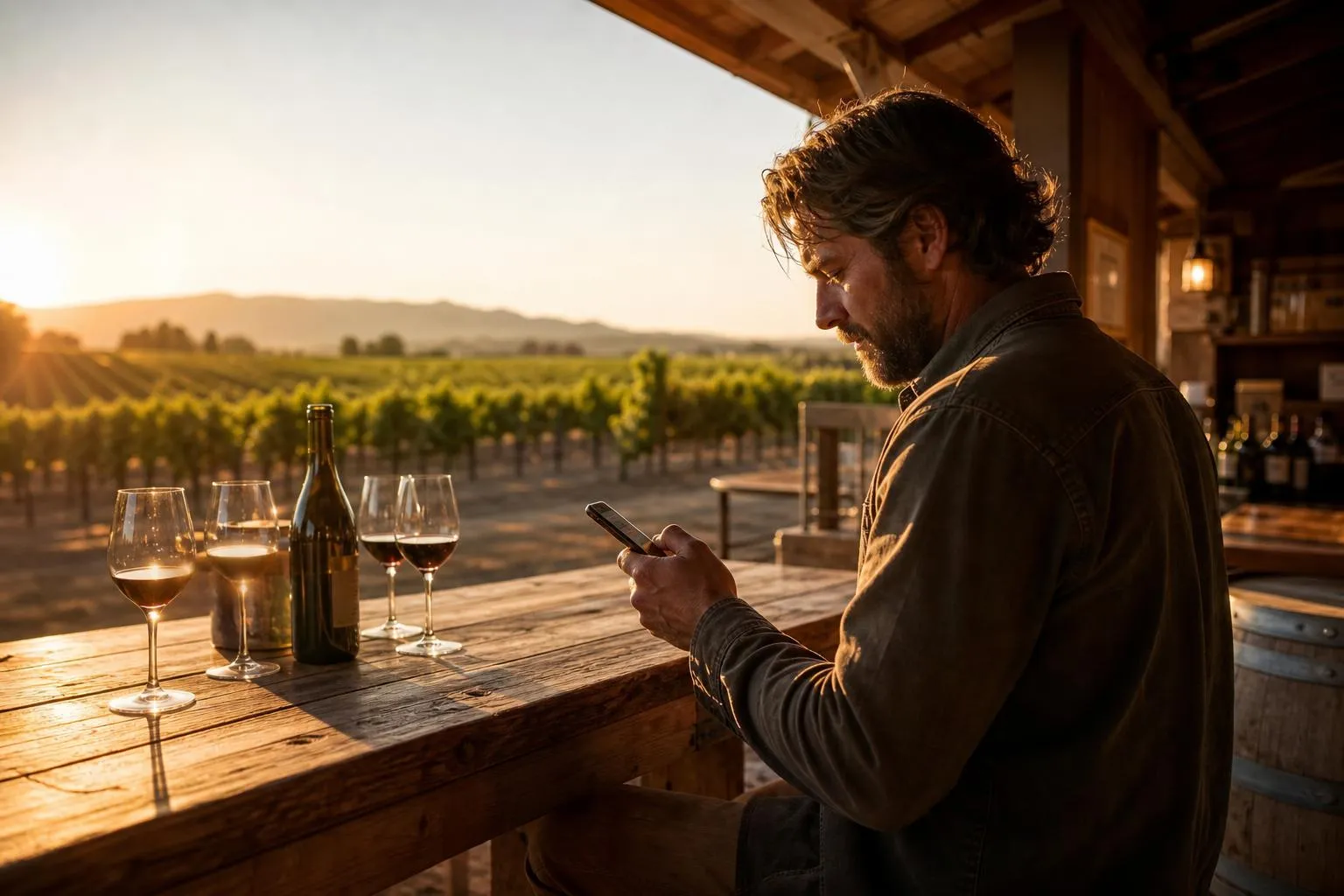
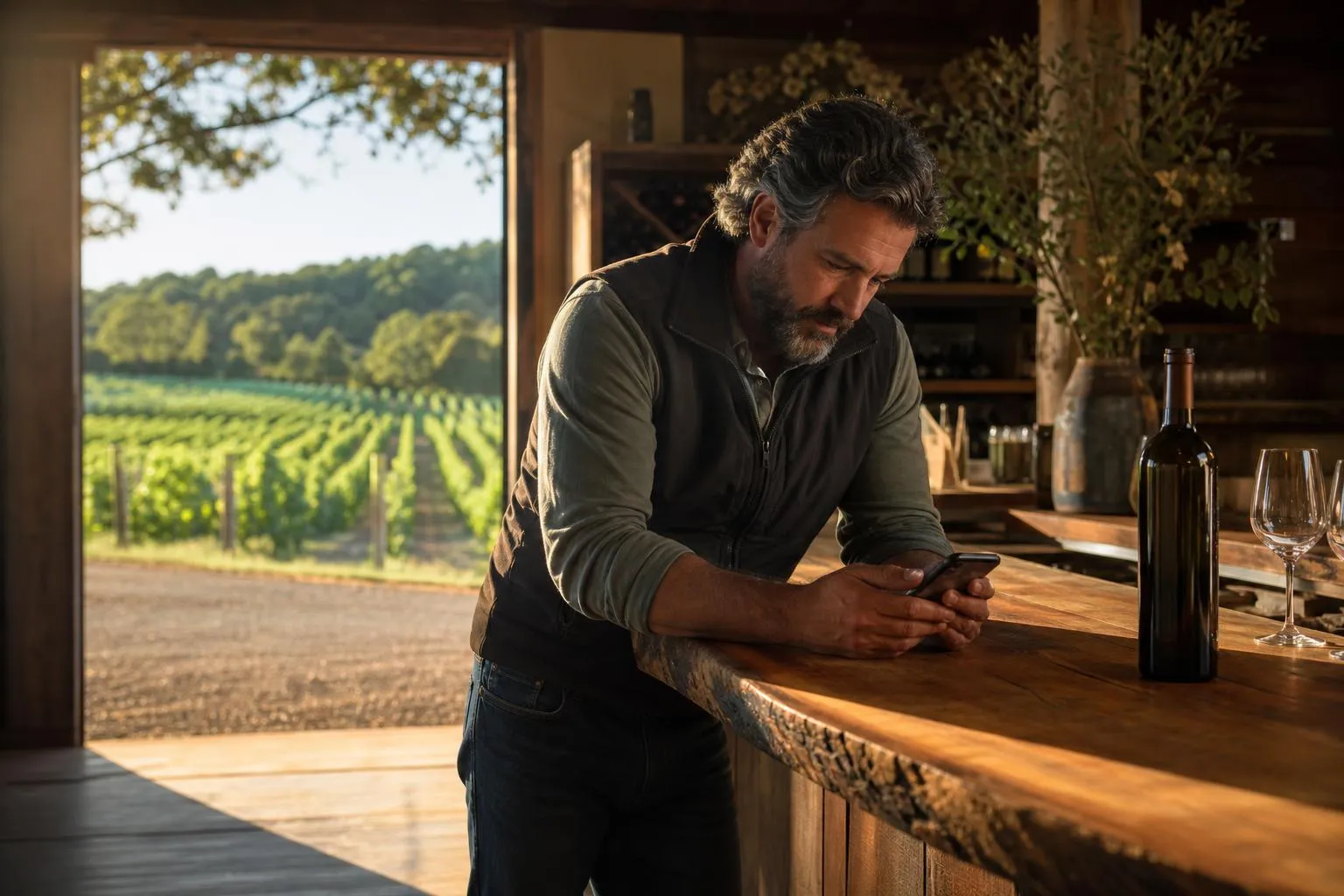
Here is the split most first-timers miss. The best grape-growing land is often up a winding county road with no traffic, which is exactly wrong for a tasting room. Direct-to-consumer sales through the tasting room and wine club are the highest-margin dollars in this business, and they depend entirely on foot traffic and visits. A remote estate can grow superb fruit and still starve because nobody drives past to taste.
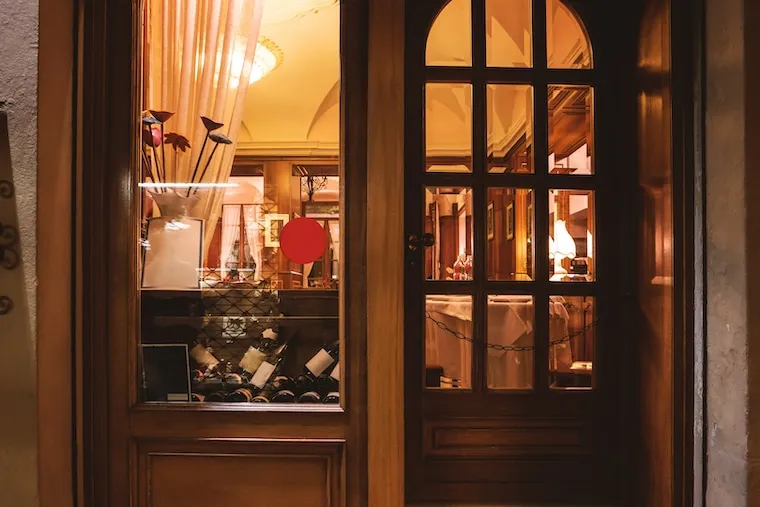
So many operators run a two-site model: farm and make the wine at the affordable rural parcel, and lease or build a tasting room on a route people already travel, near a town, a resort corridor, or a cluster of other wineries. Wine trails work because visitors do three or four rooms in a day; being the fifth tasting room on a known trail beats being the only one on a road no map lists. Weigh the region choice with an eye on how much profit a winery can make, because the tasting-room location moves that number more than the vineyard does.
| Region | Vineyard land / acre | AVA pricing power | Tasting-room draw | Best fit |
|---|---|---|---|---|
| Napa Valley, CA | $150k to $500k+ | Highest in US | Very high, tourism magnet | Deep capital, premium Cabernet |
| Willamette Valley, OR | $40k to $100k | Strong for Pinot | High and growing | Pinot Noir, sparkling |
| Paso Robles, CA | $25k to $60k | Rising | Moderate to high | Rhône reds, Zinfandel, value |
| Finger Lakes, NY | $8k to $25k | Regional | Seasonal, lake tourism | Riesling, cool-climate whites |
| Texas Hill Country | $10k to $30k | Emerging | High, near Austin/San Antonio | Warm-climate reds, events |
| Virginia (Monticello) | $10k to $30k | Emerging | High, DC/mid-Atlantic traffic | Viognier, Bordeaux blends |
Weigh the estate dream against the practical build
There are really two paths, and picking the wrong one for your capital is how good winemakers go broke.
Buy and plant an estate vineyard
- You control the fruit end to end, and “estate grown” on the label is a genuine premium buyers pay for.
- Land in a rising AVA appreciates, so the dirt itself can outperform the wine as an asset.
- A working vineyard is the postcard that sells the visit; people pay to drink wine where the grapes grow.
Buy and plant an estate vineyard
- You carry land, planting, and trellis cost for three to four years before a sellable crop, often $25k to $50k+ per acre planted.
- Farming is weather risk you cannot insure away cheaply, and one frost or smoke event can erase a vintage.
- Prime AVA land ties up capital that a lean négociant would spend on inventory and marketing instead.
The lean answer for most first-timers: buy fruit, lease a well-placed tasting room, and prove the brand sells before you sink millions into dirt. Plant the estate later, from profit, once you know which variety your customers actually reorder.
Getting found is the part that decides everything
You can pick a flawless location and still fail if nobody knows the tasting room is there. Two moves are free and worth doing the week you sign: claim and fully build out your Google Business Profile with real photos of the vines and the bar so “wineries near me” surfaces you, and get listed on your regional wine-trail and tourism-board sites, which is usually free for a member winery and drives real trail traffic. Those two alone start filling the tasting room. When you’re ready to convert that traffic, work through how to promote a winery locally.
The higher-stakes work is the website and the ads, because a searching traveler decides in seconds whether to route to your address or the next winery. A site that loads fast on a phone, shows your hours, wine list, and a map above the fold, and lets someone reserve a tasting is the difference between a full tasting room and an empty one. That gap is invisible until you compare the numbers, and it is the work we do. To have the site built to convert instead of guessed at, get a free video walkthrough. For Google, Meta, and local SEO, see our services. If you have the concept but not the business plan, start at expntl.com.
Frequently asked questions
Do I need to own a vineyard to start a winery?
No. You can buy grapes or bulk juice from a grower and make wine under your own label as a négociant, which lets you skip the four-year wait and put your money into a well-placed tasting room instead. Many established brands never farm an acre. Owning an estate is a premium play you can add later from profit, not a requirement to start.
Which AVA should I choose for my winery?
Choose the AVA whose climate ripens a grape you can sell and whose name carries pricing power you can afford. Prestige appellations like Napa let you charge double but cost five to ten times as much in land and fruit, while emerging AVAs like Texas Hill Country or Virginia’s Monticello offer cheap land and rising recognition. The right answer depends on your capital and your target price per bottle, not on which region is most famous.
Is the vineyard location or the tasting-room location more important?
For cash flow, the tasting room, because direct-to-consumer sales and the wine club are your highest-margin revenue and both depend on visitor traffic. The best grape-growing land is often on a remote road with no drive-by, which is why many operators farm in one place and pour in another, near a town or on an established wine trail. If you can only get one right, get the tasting-room traffic right.
How much does vineyard land cost?
Anywhere from about $8k to $40k per acre in emerging regions like the Finger Lakes, Paso Robles, or Texas, up to $150k to over $500k per acre in Napa Valley. On top of the land, planting and trellising a new vineyard runs roughly $25k to $50k per acre, and you carry that cost for three to four years before the vines yield a crop worth making into wine.
Can I build a tasting room on agricultural land?
Not automatically. Many counties zone rural parcels for agriculture but not for retail sales, tastings, or events, and getting a commercial use permit can take a year or more and cost tens of thousands in consultants, or be denied. Confirm in writing that the specific parcel’s zoning allows a public tasting room and events before you buy or sign a lease, or you risk a wholesale-only operation with none of the DtC margin.
Your move
Reading this does not book a job.
The owners who pull ahead are the ones who change one thing this week. If you want that one thing to be a website that sells and ads that put it in front of the right people, we build and run both for you.
Straight answer on whether we can help, usually the same day.