How to promote winery business locally
Promoting a winery locally is not about billboards or radio spots. It is about owning the eight-mile stretch of decision a traveler makes at 1pm: they are already in wine country, they have a car and an afternoon, and they are deciding which two tasting rooms to visit before dinner. Win that search and that recommendation, and you never pay for a cold click. Miss it, and the winery two exits down gets the case sale you should have made. Here is how to capture the day-tripper who is already nearby and ready.
Own the map pack, because that is your front door
When someone types “wineries near me” or “tasting near [town],” Google shows three businesses in a map before any website. For a tasting room, that three-pack is the entire ballgame, and you win it with a complete, active Google Business Profile far more than with clever website copy. Fill every field: exact hours (including whether you take walk-ins or reservations only), the correct “Winery” and “Tasting room” categories, a booking link, and fresh photos of the patio, the flight, and the view. Post to the profile weekly, because Google rewards active listings and a dead profile slides down the ranking.
Reviews are the other lever. A tasting room with 180 reviews at 4.7 stars outranks and out-converts one with 30, so text every happy group a review link before they pull out of the lot. This is the same local search foundation your winery website should reinforce with a page for each nearby town you draw from.
Join the trail and get on the tourist map
Almost every wine region has an association or a marked wine trail, Texas Hill Country Wineries, the Finger Lakes Wine Country alliance, the Livermore Valley Winegrowers, and dozens more, and tourists use these to plan. Membership runs roughly $300 to $2,000 a year and buys you a pin on the official map, inclusion in the printed and digital trail brochure, and a slot in passport events where visitors get a stamp at each stop. That is qualified foot traffic handed to you by people who have already decided to spend the day tasting.
Beyond the trail, get listed where travelers actually look: your county or regional tourism board (they publish visitor guides and often a “things to do” site), Tripadvisor and Yelp with current photos and hours, and Google Maps. Concierge desks at nearby hotels and vacation rentals are worth a personal visit with a stack of cards and a standing offer.
| Local channel | Typical cost | What it puts in front of visitors |
|---|---|---|
| Regional wine trail / association | $300 to $2,000 / year | Map pin, brochure listing, passport-event traffic |
| Google Business Profile | Free | Map-pack ranking, hours, reviews, booking link |
| County / regional tourism board | Free to $500 | Visitor-guide listing, “things to do” placement |
| Hotel & rental concierge desks | Cost of cards + visit | Personal recommendation to guests planning a day |
| Restaurant by-the-glass placement | Your wholesale margin | Your label sampled by every table that orders it |
Turn slow weekdays into events
A tasting room’s problem is not the busy Saturday, it is the empty Tuesday. Events fix that by giving locals a reason to come when tourists do not. Run a recurring ticketed night: pizza-and-pours, a live-music patio evening, a food-truck-and-wine Thursday, a winemaker’s-table dinner, or a new-release pickup party for club members. Charge for it, both because paid tickets fill more reliably than free RSVPs and because the door revenue is real money before anyone buys a bottle.
Promote events where locals live: a Facebook event with a small $30 to $50 boost to your 25-mile radius, your email list, the tasting-room chalkboard, and the town’s community calendar. Feed the same guests into your longer game with how to grow a winery business, because a local who comes to three events is a club member waiting to be asked.
Choose your local play: tourists or neighbors
Both markets are real, but they reward opposite tactics, and a young winery cannot chase both hard at once.
Tourist traffic vs local regulars
- Tourists arrive ready to spend big: a couple on a wine weekend often leaves with a case, not a bottle.
- Trail and map-pack visibility scales, one great review reaches thousands of trip-planners.
- Peak-season volume can carry a whole year’s revenue in four busy months.
Tourist traffic vs local regulars
- Tourist demand is brutally seasonal and weather-dependent, dead Januarys are the norm.
- One-time visitors rarely join the club, so you re-earn every sale from scratch.
- Trail dues and constant photo-fresh listings cost money and steady effort to maintain.
The move for most estates: win the tourist channel for volume during peak season, but convert as many as you can into local regulars and club members, because a member who lives 30 minutes away buys year-round and shows up to every event. The reservation and pickup-party plumbing to do that lives in your website build.
Getting found is the part that decides everything
Every tactic above depends on being visible the moment a nearby traveler searches, and two of the strongest levers are free. Claim and fully complete your Google Business Profile this week, then make review collection a habit, text every happy group a link before they leave, because for a tasting room the map pack and a wall of recent reviews decide who gets the visit. Layer in the trail listing and one restaurant placement and you have a local engine that runs on referrals instead of ad spend. Reinforce it with steady local advertising once the free foundation is set.
Now the part worth paying for. A fast website that ranks for “wineries near [town],” shows your hours and reviews, and lets a traveler book a tasting in two taps is what converts that local search into a full reservation book, and the gap between a site that does this and one that just looks nice is invisible until you compare bookings. That is our work. To have it built and handled, get a free video walkthrough. For local Google Ads, SEO, and paid social that fill slow days, see our Google Ads service. If you have the winery but not the business plan, start at expntl.com.
Should you handle local marketing yourself, or bring in help?
Most of the local engine should stay in your hands, because nobody pours a better staff tasting for the restaurant down the road or texts a warmer review link than the person who owns the place. The layer that quietly gets technical is the paid one that backs it up: the Google Ads and Local Service Ads that catch “wineries near me” while your map-pack rank is still climbing. We wrote an honest breakdown of when that paid side is worth handing to a specialist: 7 signs your winery needs a Google Ads agency. Keep the trail listings, events, and restaurant placements yours regardless. When you want the paid side handled, request a free proposal.
Frequently asked questions
How do most people find a winery to visit?
They search “wineries near me” or “tasting near [town]” on their phone, usually the same day, and pick from the Google map pack and its reviews before they ever open a website. Regional wine trails and tourism-board guides catch the ones planning ahead. That is why a complete Google Business Profile with fresh photos and lots of recent reviews is the single highest-leverage local move you can make.
Is it worth joining my regional wine trail or association?
For most tasting rooms, yes. For $300 to $2,000 a year you get a pin on the map tourists use to plan a day of tasting, a listing in the printed and digital trail guide, and traffic from passport events. It hands you visitors who have already decided to spend the day wine tasting, which is the most qualified foot traffic there is.
How do I get my wine into local restaurants?
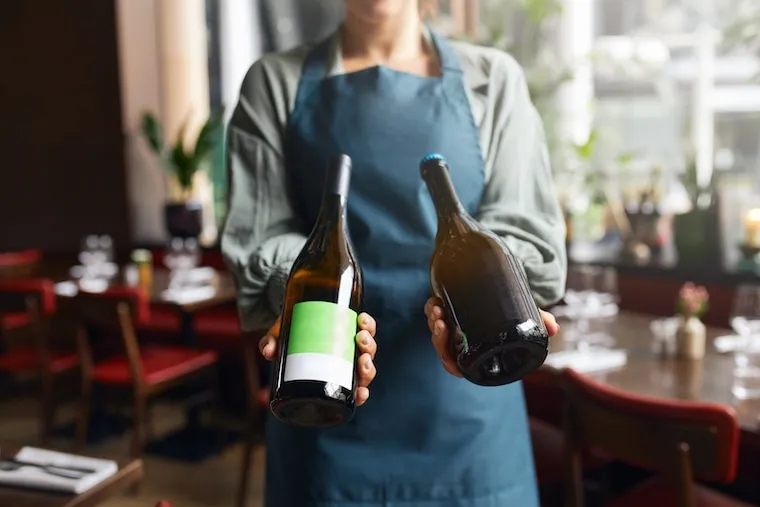
Offer to pour a free staff tasting of two by-the-glass candidates, because servers sell what they have tried and liked, then make it easy to reorder. A by-the-glass placement is effectively paid advertising that pays you: your label is sampled by every table that orders it, and the restaurant buys the bottle at wholesale. Start with the nicest independents within 20 miles rather than chains.
What kind of events actually bring people in?
Recurring, ticketed, weeknight events that give locals a reason to come when tourists do not: pizza-and-pours, live-music patio nights, food-truck Thursdays, winemaker dinners, and club pickup parties. Charge for tickets, since paid events fill more reliably than free RSVPs and the door revenue is real. Just price the ticket against your true pour and labor cost so a full patio actually nets a profit.
How do I turn one-time visitors into repeat customers?
Capture the email or phone at the tasting, invite them to the next event, and make the wine club ask before they leave the room, because a local who joins the club buys year-round instead of once. Feed those relationships with a steady flow of events and releases. The reservation and club plumbing that makes this automatic is part of getting your website built right.
Your move
Reading this does not book a job.
The owners who pull ahead are the ones who change one thing this week. If you want that one thing to be a website that sells and ads that put it in front of the right people, we build and run both for you.
Straight answer on whether we can help, usually the same day.