How to grow a winery business
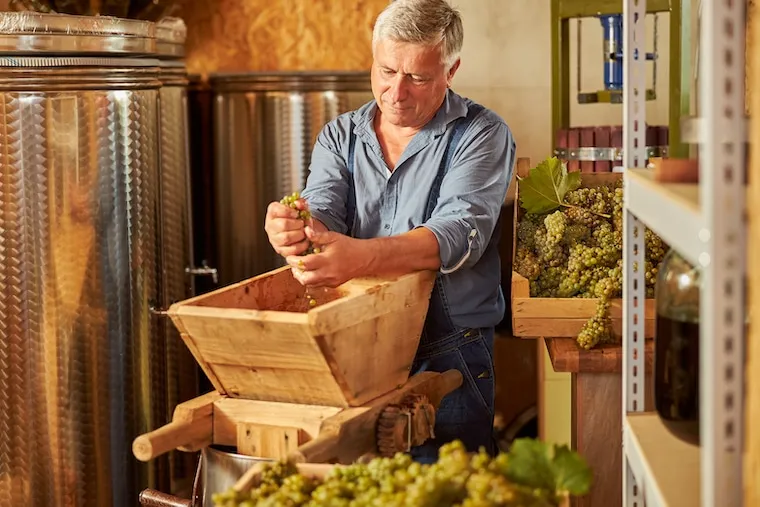
Most winery owners think growth means selling more bottles to more people. It usually means the opposite: selling the same bottles for more margin to the customers you already have. A winery has a fixed problem baked into its industry, the three-tier distribution system takes roughly half of every wholesale bottle, so the single biggest growth lever is not making more wine or finding more buyers. It is changing where the wine goes. Move cases out of distribution and into your tasting room, your club, and your own DtC shipping, and you can double the margin on wine you already produce.
Grow the sales mix, not just the volume
The most important number in a winery is not cases produced. It is the percentage of those cases sold direct versus through a distributor. That one ratio decides your margin more than grape quality, pricing, or ad spend.
| Sales channel | You keep (per $40 bottle) | Effort | Best for |
|---|---|---|---|
| Distributor (three-tier) | ~$18-$20 | Low, but you lose control | Reach into restaurants and retail |
| Tasting-room sale | ~$36-$40 | Moderate (labor, space) | Highest margin per bottle |
| Wine club / DtC ship | ~$32-$38 | Fulfillment + compliance | Recurring, predictable margin |
Selling a case through a distributor might net you $220. Selling that same case direct nets you $400 or more. If you produce a fixed 2,000 cases, shifting even 300 of them from wholesale to direct is roughly $50,000 in new margin without growing a single vine. That is why the growth plan for most small wineries is “make the same wine, sell more of it direct,” not “make more wine.”
Retention is the growth nobody sees
New members feel like growth. Kept members are growth. If you sign 100 club members a year but lose 35 to churn, you are running to stand still. Cut that churn to 20% and the same acquisition effort now compounds, because members who stay a third and fourth year cost nothing to keep and buy the whole time.
Retention is unglamorous and cheap: ship on time, make the wine consistent, and make membership feel like belonging, not a subscription trap. Members who attend a release party, get a handwritten note, or receive a bottle upgrade renew at far higher rates. The compounding math means a single point of retention is worth more than a point of new signups, and it costs a fraction as much.
Raise the average ticket before you chase the crowd
Growing traffic is expensive and seasonal. Growing what each visitor spends is neither. A tasting room that sells one bottle per visitor at a $40 average is a very different business from one that sells two bottles plus a club signup, on the same rent and the same staff.
The levers are throughput and attach. Reservations let you fill the room predictably instead of hoping for walk-ins, and they let you staff to demand. A pourer trained to recommend a second bottle and pair it with food raises the average ticket without a single new visitor. The temptation is to discount to drive volume, and it is usually a mistake.
Raise prices and hold the line
- Protects margin and the perception that your wine is worth its price.
- A premium position supports the DtC and club story that carries the business.
- Avoids training customers to wait for the next sale before they buy.
Raise prices and hold the line
- Slower volume growth, which stings if cash is tight this quarter.
- Risks losing the most price-sensitive tasters at the bottom of the range.
- Demands the wine and experience actually justify the number, or reviews turn.
For a winery whose margin depends on brand and DtC, holding price and raising the average ticket almost always beats discounting. Discounts move bottles today and erode the brand you spent years building. The exception is dead inventory you need gone before the next vintage, clear that quietly to your email list, not with a public sale.
Getting found is the part that decides everything
Two free moves compound the direct channels this week. Complete your Google Business Profile and get on your regional wine trail so new tasters find the room that feeds the club, and email your existing list a real release or event offer, that owned list is where DtC growth is cheapest. The full acquisition-to-retention loop is in how to get clients and customers, and the profit ceiling of each channel is broken down in how much profit a winery can make.
The direct channels only grow if the machinery works: a fast website, a frictionless club signup, and DtC shipping that stays compliant across states. Built badly, they cap your growth at exactly the moment you are trying to scale it. That is the work we do. To have the site and club flow handled, get a free video walkthrough. For managed ads, SEO, and email that grow the direct mix, see our services. If you are planning a bigger expansion and need the financials, start at expntl.com.
Frequently asked questions
What is the single biggest lever to grow a winery’s revenue?
Shift the sales mix from wholesale to direct. The three-tier distribution system takes roughly half of every wholesale bottle, so moving cases into your tasting room, club, and DtC shipping can double the margin on wine you already make. Growing the direct percentage beats growing production for almost every small winery.
Should I grow by making more wine or selling what I have differently?
For most wineries, sell what you have differently first. Planting more vines and buying more tanks is slow and capital-heavy, while shifting even a few hundred cases a year from distributor to direct can add tens of thousands in margin with no new production. Expand output only once your direct channels are consistently selling out.
How do I reduce wine club churn?
Ship on time, keep the wine consistent, and make membership feel like belonging with events, early access, and personal touches. Then recover passive churn aggressively: a large share of losses are just expired cards and skipped shipments, and updating a lapsed card is free growth compared to replacing that member through paid acquisition.
Is discounting a good way to grow a winery?
Rarely. Public discounts move bottles today but train customers to wait for the next sale and erode the premium brand that carries your DtC and club story. Grow by raising the average ticket instead, more reservations, a second-bottle recommendation, a club offer, and clear genuine dead inventory quietly to your email list rather than with a storefront sale.
How important is the tasting room to growth if I want to scale DtC?
Very. The tasting room is where you acquire the tasters who become club members and DtC buyers, so it feeds the exact channels you are trying to scale. Raising its throughput and conversion, not just its foot traffic, is often the cheapest way to grow the direct business, because every member starts as someone at your bar.
Your move
Reading this does not book a job.
The owners who pull ahead are the ones who change one thing this week. If you want that one thing to be a website that sells and ads that put it in front of the right people, we build and run both for you.
Straight answer on whether we can help, usually the same day.