When and how to hire and train staff for a phone repair business
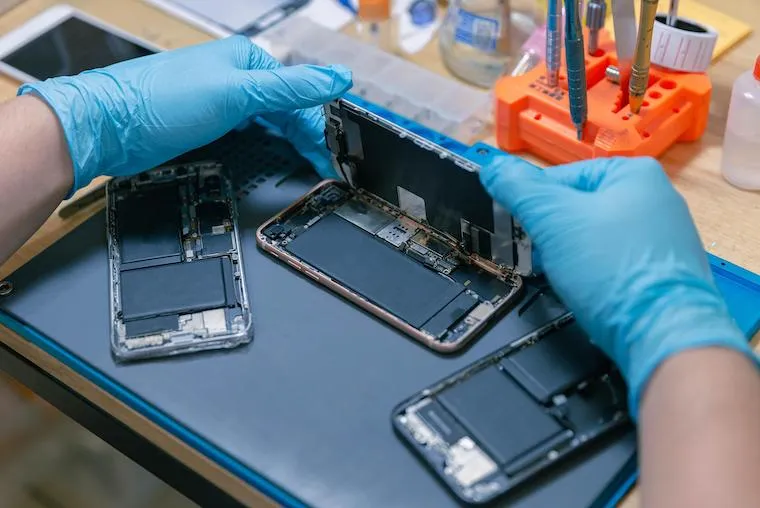
The wrong reason to hire your first technician is that you feel busy. Busy is a feeling; a repair shop needs a number. The right trigger is the day you start turning away same-day work, when a walk-in wants a screen done by five and you have to say tomorrow, because same-day is the entire premium a local shop sells over the mail-in competition. Hire to protect that promise, not to relieve the stress of a full bench. And hire carefully, because a phone tech is not a cashier: they hold thousand-dollar devices and the customer data on them, so a bad one costs you far more than their wage.
Hire on a number, not a feeling
Feeling overwhelmed is not a hiring signal; it is a scheduling problem you might solve with better intake. The signal that you genuinely need a second pair of hands is measurable: you are consistently pushing same-day repairs to next-day, your turnaround on a standard screen has crept past a day, or your ticket backlog is costing you the walk-in who wanted it now and went to the kiosk instead. Track how many same-day requests you turn away in a week. When that number stops being zero for a couple of weeks running, you have outgrown solo.
The reason same-day is the trigger and not raw volume is that same-day is your competitive moat. A customer with a dead phone will pay a premium and drive past two other shops for “ready in an hour.” The moment you cannot deliver that, you are competing on price with mail-in operators who will always be cheaper. A second tech buys back the promise. The growth context for this call is in how to grow a phone repair business, and the profit math behind affording one is in how much profit a phone repair business can make.
Hire for two very different roles
“Staff” hides two jobs that need different people. Do not interview them the same way.
| Role | Core skill | Pay range (US, hourly) | Hire when |
|---|---|---|---|
| Front-counter / intake | Sales, phones, calm under a line | $13 to $18 + review-bonus | You are pulled off the bench constantly |
| Repair technician | Clean screen/battery/port work, fine motor control | $16 to $24 + per-ticket bonus | Same-day work is slipping to next-day |
| Board-level / micro-solder tech | Micro-soldering, schematics, diagnostics | $22 to $35 + job bonus | You have real volume of “won’t power on” and water jobs |
Most shops hire in that order top to bottom. The board-level specialist is the rarest and priciest, and you do not need one until dead-board and liquid-damage tickets are stacking up enough to pay a premium wage; until then, refer those out. The counter and general-repair hires are where you spend your first hiring energy.
Interview with a scored test repair, not a chat
A resume tells you nothing about hands, and phone repair is entirely about hands. The interview that matters is a timed, scored test repair: hand the candidate a common broken phone, a screen swap or battery replacement, at a bench, and watch. Give them 30 minutes and a real teardown to reference. Score four things: did they ground themselves and handle the board safely, did they get every screw back in the right place, did the repair actually work at the end, and did they keep a clean, organized bench while doing it.
Pair that with two or three behavioral questions that predict the real failures: “Tell me about a repair you couldn’t finish and what you did” (tests honesty over ego), and “A customer swears the water damage is your fault, what do you say” (tests whether they escalate or defuse). The tech who says “I’d tell them it’s not my problem” is the tech who tanks a five-star review.
Probation belongs on cheap devices at a safe bench
New techs make expensive mistakes, and the mistakes are not random, they cluster in the first weeks. So structure the first 30 days to make errors cheap. Put the new hire on a grounded, anti-static bench with a wrist strap and a proper mat, and start them on your own scrap and practice phones, then low-value customer jobs (older Androids, budget screens), before they ever touch a flagship or a data-loaded device. Verify their work at pickup for the first two weeks. Only graduate them to high-value phones and board-adjacent work once the cheap ones are consistently clean.
Pay to keep them, or you are training your competition
This is the trap that catches growing shops: you hire someone, train them for six months into a competent tech, underpay them, and they leave to open a shop three miles away with everything you taught them. In a trade where the skill is portable and the startup cost is low, retention is a pay-and-path problem, not a loyalty problem.
W-2 employee tech
- You control the schedule, quality standards, and how they represent your brand at the counter.
- A tech who learns your regulars cuts comebacks and drives the repeat business reviews are built on.
- You can invest in training them on board-level work, raising what the whole shop can bill.
W-2 employee tech
- You pay the wage whether ten phones come in or thirty, plus 10% to 15% in payroll taxes.
- Workers comp and unemployment insurance add a real four-figure annual line even for a small shop.
- Train them well and underpay them and they walk, taking your training to a competitor or their own shop.
Pay a working general tech $16 to $24 an hour plus a per-ticket or flag-hour bonus that rewards clean throughput, and give a visible path (counter to tech to lead tech to board-level, each with a raise). The bonus aligns their pay with your revenue; the path is what keeps the good one from leaving. Hiring itself is one of the biggest levers in how to successfully run a phone repair business.
Getting found is the part that decides everything
A great team fixing phones nobody knows to bring in is just expensive idle time. Two free moves keep the bench fed so a second tech is worth it: fully complete your Google Business Profile with real photos of your team and turnaround times, and have every tech text the customer a review link at pickup. Your review count is the single biggest driver of first-time calls, and the local how-to is in how to promote a phone repair business locally.
Then the constraint every repair shop hits: device repair is a restricted category on Google Ads, so you cannot simply buy the top of “phone repair near me,” and most owners waste a month learning that. That makes an organic-ranking, fast website that turns searchers into booked drop-offs the asset that actually keeps your techs busy. To have that built instead of guessed at, get a free video walkthrough of your site. For SEO and paid work that navigates the device-repair ad restriction, see our services. If you have the shop but not the growth plan, start at expntl.com.
Frequently asked questions
When should I hire my first employee?
When you are consistently turning away same-day work, not when you simply feel busy. Track how many same-day repairs you push to next-day in a week; once that number stays above zero for a couple of weeks, your backlog is costing you the walk-in premium and a second pair of hands pays for itself. Feeling overwhelmed at the counter, by contrast, may just mean you need a front-desk hire, not a tech.
Should my first hire be a technician or a counter person?
It depends on what is limiting you. If you are a strong tech but the phone and register keep pulling you off the bench, a $13 to $18 front-counter hire that frees you to repair uninterrupted often lifts throughput more than a second wrench. If the bench itself is the bottleneck and same-day is slipping, hire the technician.
How do I test a repair technician in an interview?
Give them a scored, timed test repair on a cheap phone you have pre-broken, 30 minutes, a real teardown to reference. Watch for static-safe handling, every screw back correctly, a working result, and a clean bench. A screen swap under a timer reveals more about a candidate’s hands than any resume or interview answer.
What should I pay a phone repair technician?
A working general tech runs about $16 to $24 an hour in most US markets, plus a per-ticket or flag-hour bonus that ties their pay to clean throughput; board-level micro-solder techs run $22 to $35. Underpaying a tech you spent months training is how you fund a competitor, since the skill is portable and a new shop is cheap to open, so pay and a clear path matter more than in most trades.
How do I train a new tech without wrecking customer phones?
Start them on a grounded, anti-static bench with your own scrap and practice phones, then low-value customer jobs, and verify their work at pickup for the first two weeks. Keep flagships and data-loaded devices off their bench until the cheap repairs are consistently clean. This keeps inevitable early mistakes in the $30 range instead of a $900 flagship replacement or a data-liability claim.
Your move
Reading this does not book a job.
The owners who pull ahead are the ones who change one thing this week. If you want that one thing to be a website that sells and ads that put it in front of the right people, we build and run both for you.
Straight answer on whether we can help, usually the same day.