How to Promote Pest Control on YouTube
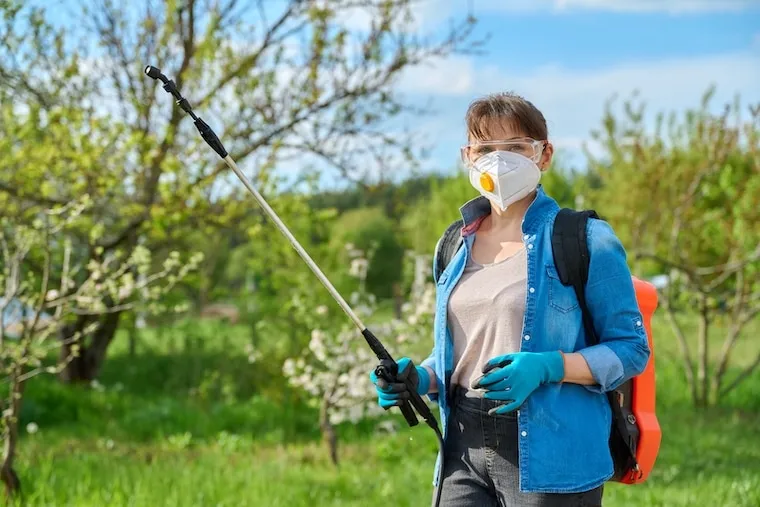
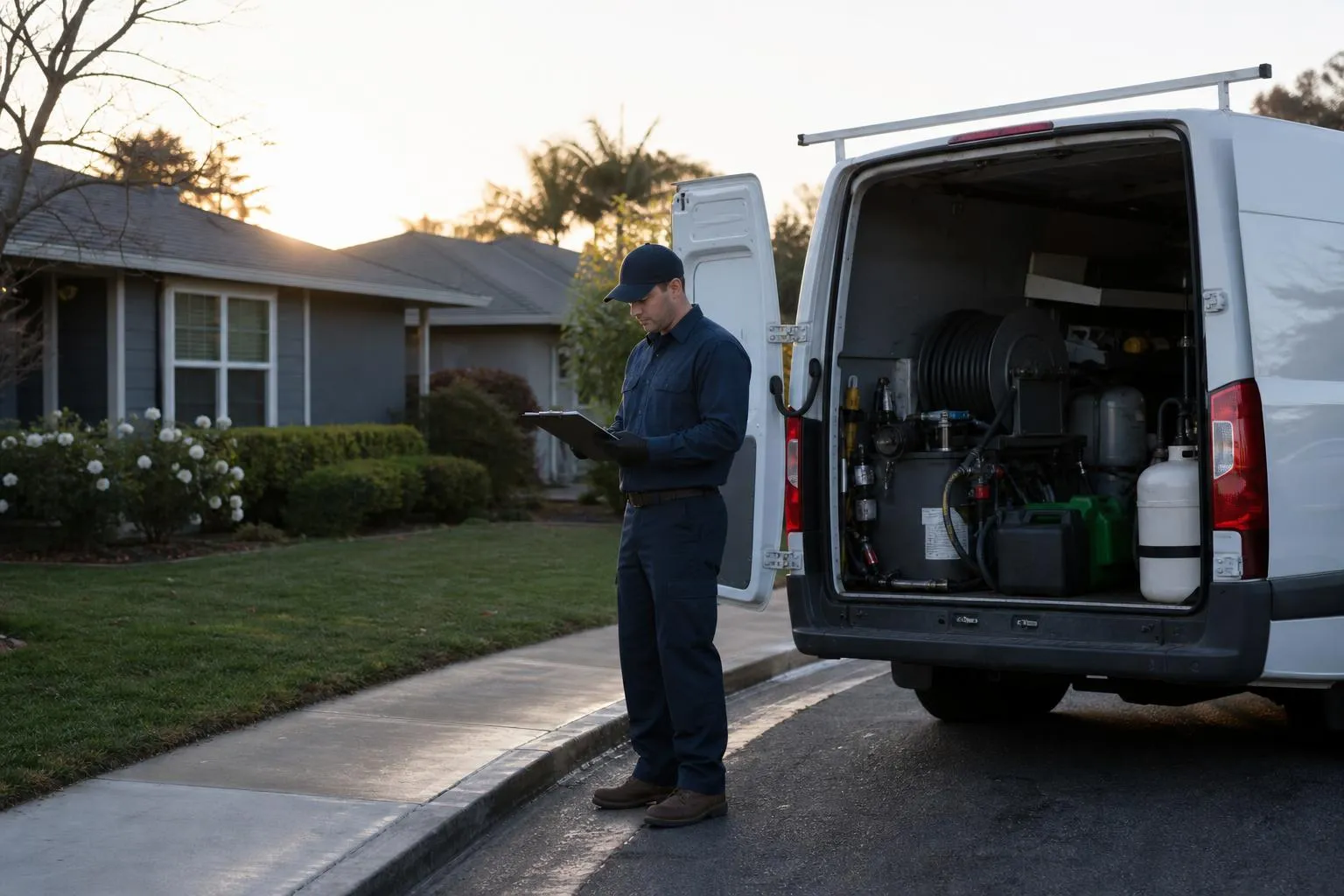
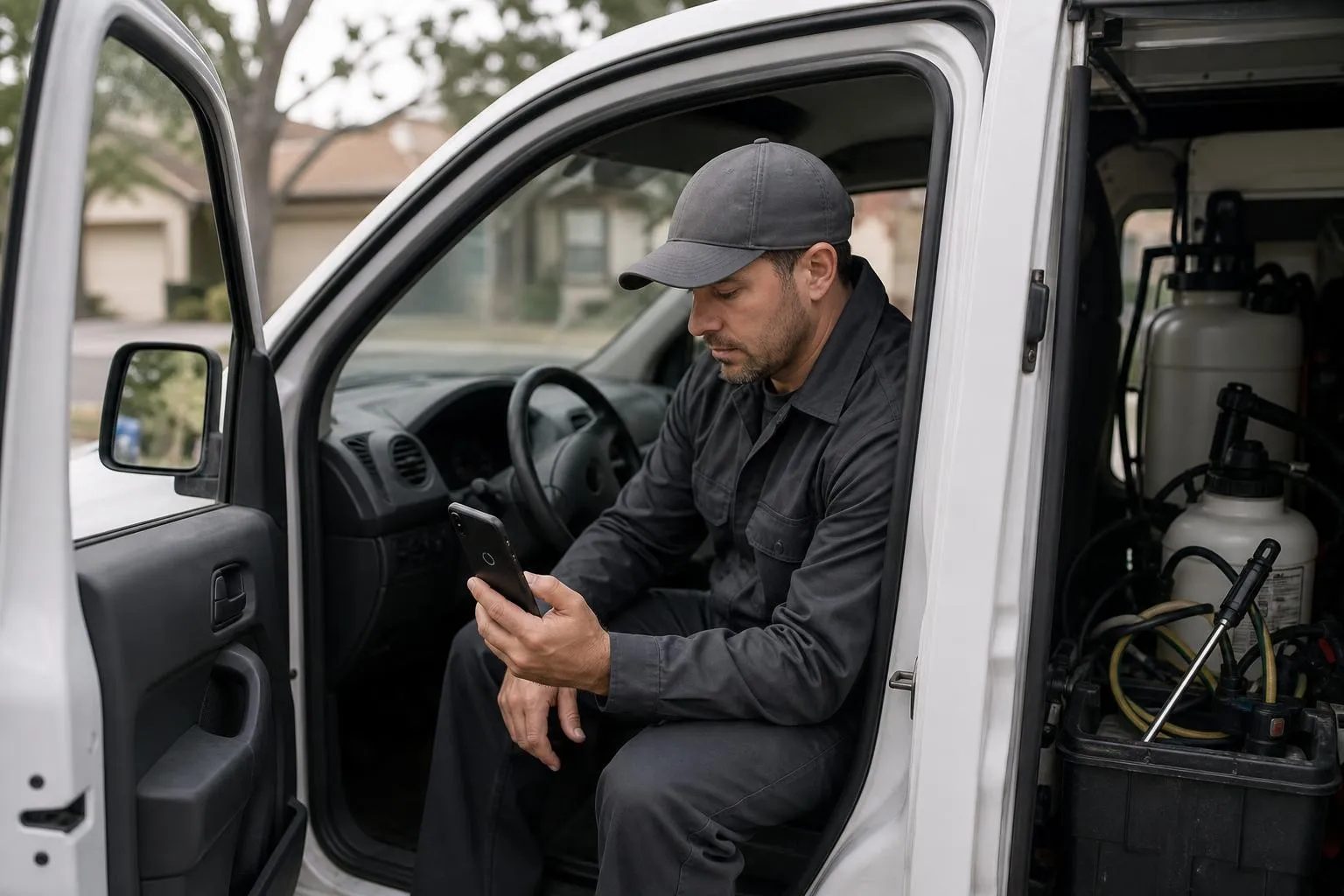
Nobody hires a pest control company because their YouTube video went viral. They hire you because they found a wasp nest, panicked, typed “hornet nest in soffit what to do” into YouTube, watched your two-minute clip, saw your truck and your phone number, and called before the video finished. YouTube for pest control is not entertainment. It is a searchable answer library that ranks in two of the biggest search engines on earth and never stops working. Here is how to build one that books jobs.
Film answers, not ads
The mistake every pest control channel makes is filming commercials. A 30-second “Call ABC Pest today!” clip gets 40 views and dies. What ranks and converts is the video that answers the exact thing a scared homeowner searched at 9pm. Pest identification is gold: “Is this a termite or a flying ant?” gets searched thousands of times a month and the person asking is one bad answer away from calling a pro. Same with “how to tell if you have bed bugs,” “what does a mouse nest look like in a wall,” and “brown recluse vs wolf spider.” You already answer these ten times a week on jobs. Point a phone at it.
The format that works is dead simple: state the problem in the first five seconds, show the pest or the damage up close, explain what it means, and end with “if it’s in your walls, that’s a job for a pro, and that’s what we do.” No intro animation, no 20-second logo sting. People bounce in the first ten seconds and YouTube punishes the whole video for it.
| Video type | Search intent | Effort | What it books |
|---|---|---|---|
| Pest ID (“termite or ant?”) | High, pre-panic research | Low, film on a job | Inspections, termite jobs |
| ”Signs you have ___“ | High, self-diagnosing | Low | Initial services |
| DIY-but-know-the-limit | Medium, comparison shopping | Medium | Callbacks after DIY fails |
| Behind-the-scenes treatment | Low search, high trust | Medium | Warms retargeting audiences |
| Neighborhood/seasonal alert | Local, timely | Low | Recurring quarterly plans |
Titles and descriptions decide everything
The algorithm cannot watch your video. It reads your title, your description, and your engagement, then guesses what you’re about. So the title is not a headline, it’s a bid on a search phrase. “Carpenter Ants vs Termites: How to Tell the Difference (Austin, TX)” beats “Ant Problems? We Can Help!” every single time, because the first one matches what people type and the second matches nothing. Put the searched phrase first, the specifics second, and your city in parentheses if you serve one metro.
The description’s first line shows in search previews and carries the most SEO weight, so lead with the keyword and your service area, not “Welcome to our channel.” Below that, write two or three real sentences, drop your website and phone, and add a link to the right page on your site. This is where you connect the video to your booking flow, the same way you’d connect a website built to convert to a phone call.
Chapters, cards, and the parts most owners skip
Two small features punch above their weight. Chapters (timestamps you add in the description, like “0:00 Intro / 0:15 What termite mud tubes look like / 1:10 When to call a pro”) make your video eligible for Google’s “key moments” feature, which can surface a single clip of your video directly in search. End screens and cards let you push a viewer to your next video or your website in the last ten seconds, exactly when they’ve decided they have a problem.
Tags matter far less than they did five years ago; YouTube now reads the audio and the visuals. Spend the energy on a clear thumbnail with big text and a close-up of the pest instead. A thumbnail reading “TERMITE OR ANT?” over a macro shot of a bug gets clicked; a photo of your truck does not.
Should you run YouTube ads or grow organically?
At some point you’ll wonder whether to pay for views. The honest answer is that most pest control operators should build the organic library first and only layer ads on top once they have videos worth promoting.
Organic videos vs paid YouTube ads
- Zero media cost. A ranked pest-ID video keeps booking jobs for years after you film it.
- Compounds over time. Ten videos cross-link, and each one lifts the channel’s authority.
- Builds a permanent asset you own, not rented attention that stops the day you stop paying.
Organic videos vs paid YouTube ads
- Slow. A new video can take weeks or months to rank, so it does nothing for this month’s schedule.
- Requires consistency. One video a quarter will not build momentum; you need a real filming habit.
- No geographic precision. You can’t force an organic video in front of only your service area.
The rule: build organic for reach that lasts, and use paid ads only for time-sensitive pushes, like a $99 termite-inspection offer targeted to your ZIP codes during swarm season. If you want that paid layer built and managed so it doesn’t quietly burn budget, that’s what our ads and marketing services handle.
A worked example: one afternoon, two years of leads
Getting found is the part that decides everything
A YouTube library only pays off if it feeds a booking machine. Two free things to do this week: embed your three best videos on the matching pages of your website (your termite video on your termite page), and add each video to your Google Business Profile, which accepts video posts most competitors never use.
The high-stakes part is what the click lands on. A ranked video that dumps a ready-to-buy homeowner onto a slow, confusing site is a lead you filmed and then threw away. A site that loads fast, shows reviews and a click-to-call button above the fold, and turns that visitor into a booked job is the difference between a channel that’s a hobby and one that’s a lead source. That is the work we do. To have the site handled instead of guessed at, get a free video walkthrough. For paid YouTube and search campaigns run properly, see our services. If you have the company idea but not the plan, start at expntl.com. And for the platform where short pest clips travel fastest, pair this with promoting pest control on TikTok and your local promotion checklist.
Frequently asked questions
Do I need expensive equipment to make pest control videos that rank?
No. A recent smartphone, decent daylight, and a $30 clip-on mic outperform a fancy camera with bad audio. Viewers forgive shaky footage but bounce instantly on muffled sound. Ranking comes from answering the search, not from production polish, so spend your effort on picking the right questions and shooting clear close-ups of the pest.
How many videos do I need before this works?
Ten focused videos covering your highest-search pest questions is a real starting library; that’s enough to start ranking for long-tail phrases competitors ignore. Consistency beats volume, so one or two solid pest-ID videos a month for a year will build more local authority than 30 videos dumped in one week and then abandoned.
Should my videos target my city or go broad?
Both, layered. Make the video itself genuinely useful to anyone (a termite is a termite in any state), but put your city in the title and description so you win the local search where the buyer actually lives. A broadly useful video with a local title gets national views for authority and local clicks for bookings.
How is YouTube different from running paid search ads?
YouTube organic is a long-term asset you build once and own; paid search is rented traffic that stops the moment you stop paying. They do different jobs. Use YouTube to rank helpful answers that build trust over years, and use Google Ads when you need booked jobs this week and are willing to pay per click for them.
Can I just repost my YouTube videos to other platforms?
Yes, and you should, but reformat them. A two-minute horizontal YouTube video should be cut into a 30-second vertical clip for Instagram Reels and TikTok. The searchable, evergreen version lives on YouTube; the fast, snackable version lives on Instagram. Same footage, two jobs.
Your move
Reading this does not book a job.
The owners who pull ahead are the ones who change one thing this week. If you want that one thing to be a website that sells and ads that put it in front of the right people, we build and run both for you.
Straight answer on whether we can help, usually the same day.