Start a delivery business with no money and for free
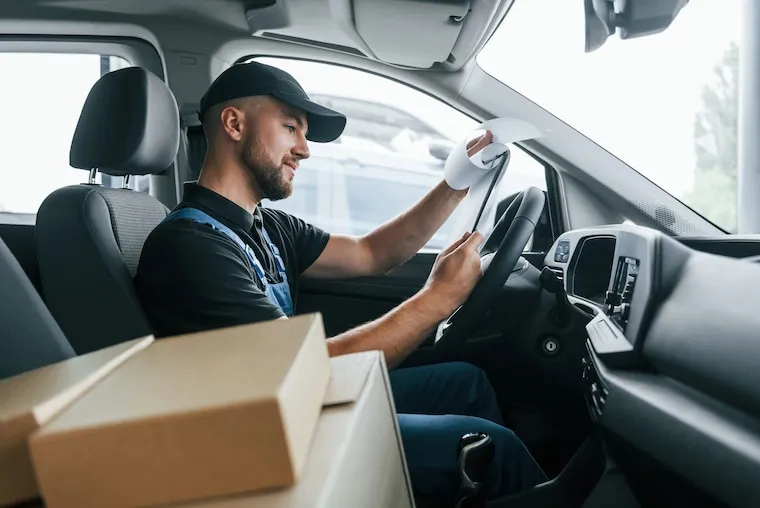
You cannot start a delivery business for literally zero, but you can start it without spending your own capital, because the cash comes out of the first deliveries instead of your pocket. The move is to earn on a platform that already has the customers, the insurance-adjacent structure, and the volume, then funnel that money into becoming your own operation. “Free” here means bootstrapped, not reckless. There is exactly one line you never cross broke, and it is the coverage that stands between a fender-bender and a lawsuit that ends you before you begin.
Start on a platform that already has the customers
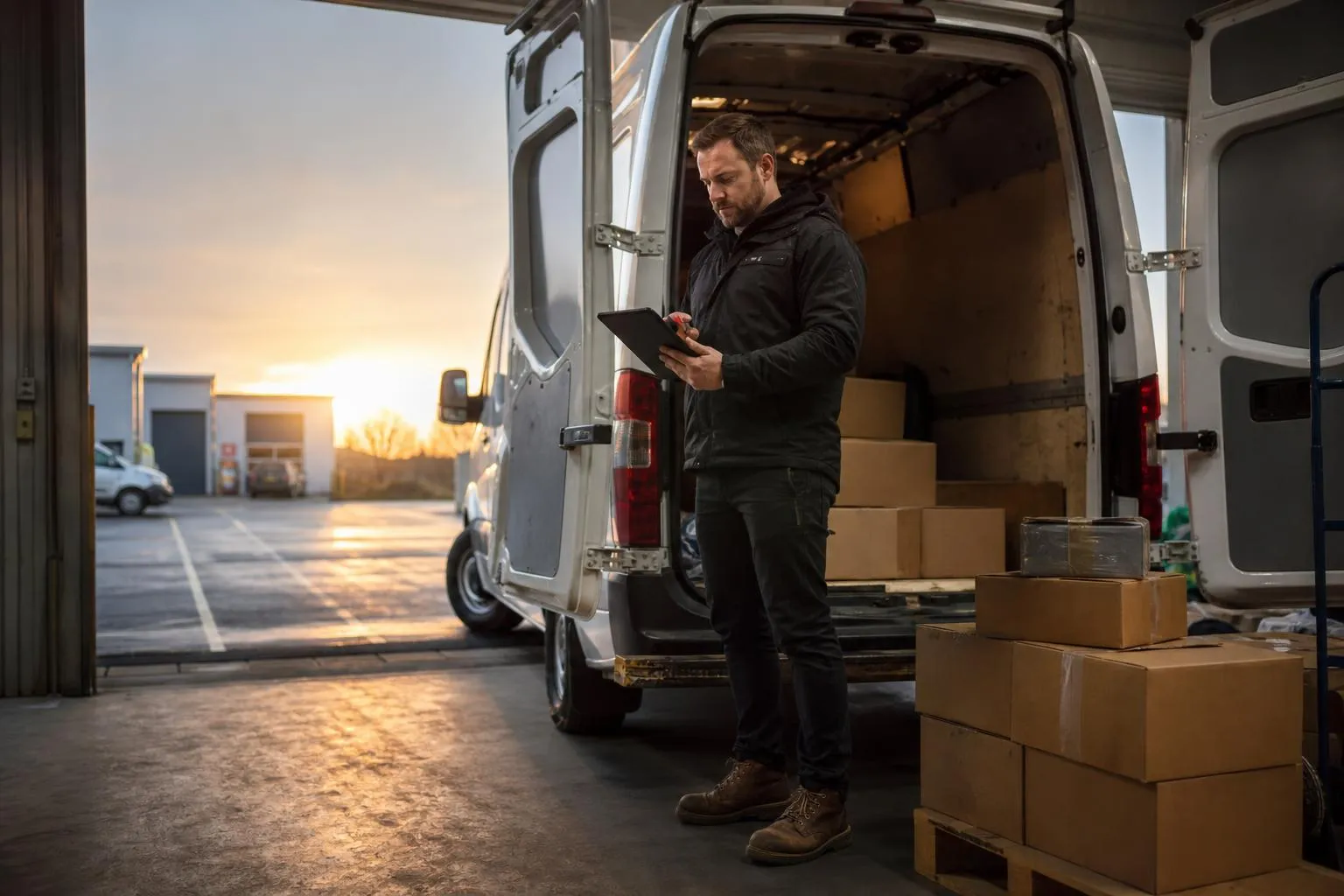
With no money, your fastest path to cash today is a gig platform, because it hands you demand, dispatch, and payment on day one for nothing down. Sign up for DoorDash, Uber Eats, Instacart, Roadie, or Amazon Flex, use the car or bike you already own, and start earning $18-$25 an hour in a busy market. This is not the business yet; it is the free on-ramp that pays you to learn the routes, the timing, and the customers while you build a war chest. Run two or three apps at once to keep your hours full and see which pays best in your zone.
Treat these first weeks as paid research, not the destination. You are learning which neighborhoods tip and reorder, which restaurants and stores are chronically slow, and how many drops per hour your area really supports, all of which you will need when you go independent. Keep a running total of what you clear after gas, because that number is your startup fund.
Reinvest the first dollars into the things you cannot skip
Here is the honest part the “totally free” articles leave out. The moment you deliver for pay under your own name instead of a platform, your personal auto policy almost certainly does not cover you, and one at-fault crash on a delivery run can become a claim far larger than your car is worth. So the first $1,000-$2,000 you earn on gig apps does not buy a van. It buys the two things that keep a bootstrap from becoming a catastrophe: a commercial auto or hired-and-non-owned auto policy, and a simple LLC to separate the business from your house.
| Rung | What you spend | Where the money comes from | What it unlocks |
|---|---|---|---|
| 0. Gig apps | $0 | Nothing; your own car + phone | First cash, first route knowledge |
| 1. LLC + EIN | $50-$500 filing, EIN free | Gig earnings | Business bank account, contracts, credibility |
| 2. Commercial / HNO auto | $1,200-$3,000/year, billed monthly | Gig earnings | Legally deliver under your own name |
| 3. First B2B contract | $0 (hustle, not cash) | 20 doors knocked | Recurring revenue you price yourself |
| 4. Second driver | Paid from contract profit | Rung 3 revenue | Capacity beyond your own two hands |
The pattern is that no rung is funded by your savings; each is funded by the rung below it. That is what “no money” actually looks like when you do it right, and it is slower and safer than borrowing.
Climb from gig work to contracts you own
Gig apps pay the bills; contracts build the business. The leap that matters is landing your first recurring B2B account, and it costs hustle, not cash. Walk into local restaurants, florists, bakeries, pharmacies, and small e-commerce shops that are paying a marketplace 25-30% and offer to run their deliveries directly for less than that skim while paying you far more than a gig fee. One flower shop doing 15 deliveries a day at $8 is $120 a day of revenue you priced yourself, on a schedule you can staff.
The reason this rung changes everything is control. On a contract you set the price, you own the customer, and you can forecast the week, none of which is true on a platform. Land two or three of these and you have replaced unpredictable gig scraps with a base you can build on and eventually grow past a single driver.
Use the free tools that make you look real
Broke does not have to mean invisible. A short list of free tools makes a one-person, one-car operation look like a legitimate service. Create a free Google Business Profile with your service area so “delivery near me” finds you. Use Canva’s free tier to make a clean logo and a one-page rate sheet. Take orders and payment with the free tiers of Square or Stripe. Route your own multi-drop days with Google Maps or a free routing trial. None of it costs a dollar, and together it is the difference between “some guy with a car” and a service a restaurant will sign with.
Bootstrap on gig apps before going independent
- Zero upfront cash; you earn from day one on your own vehicle.
- You learn the routes, timing, and customers on someone else’s dime.
- Low risk if it is not for you, since you can stop anytime with nothing sunk.
Bootstrap on gig apps before going independent
- The platform keeps 15-30% and sets a pay rate you cannot negotiate.
- You build no owned customer base, so the income is not really yours.
- Progress is slow; funding each step from earnings takes patience savings would skip.
The trade-off is real: bootstrapping is slower than borrowing, and gig apps cap your early upside. But you finish debt-free, with route knowledge and a couple of owned accounts, which is a far stronger footing than a loan-funded fleet with no customers.
Getting found is the part that decides everything
Even broke, you can build demand you own instead of renting it from an app. Two moves are free this week. First, finish that Google Business Profile completely, service area, hours, photos of you with the car, and text every happy customer a review link, because your first 15-20 reviews pull in callers no gig app sends you. Second, post in local Facebook groups and Nextdoor offering same-day drops for neighbors and small shops; hyperlocal word of mouth is the cheapest customer you will ever get. More of this is in how to promote your delivery business locally.
The higher-stakes step, once the first dollars are coming in, is a real website that books jobs. It should load fast on a phone, show your coverage area and a request-a-quote button above the fold, and turn a searcher into a booked account. That is where a bootstrapper often should reinvest first real profit, and the gap between a site that converts and one that just exists is invisible until you compare the numbers. To have it built instead of guessed at, get a free video walkthrough. For ads and SEO when you are ready, see our services. If you want the full plan and numbers before you scale, start at expntl.com.
Frequently asked questions
Can I really start a delivery business with no money?
You can start with no upfront capital of your own, but not with literally zero cost. The path is to earn first on gig platforms like DoorDash, Uber Eats, or Roadie using a vehicle you already own, then fund the unavoidable costs, insurance and an LLC, out of those earnings. It is slower than borrowing, but you finish debt-free with real route knowledge.
What is the one thing I cannot skip even if I am broke?
Commercial auto or hired-and-non-owned coverage. Personal auto policies exclude delivery use, so one at-fault crash on the job can be denied and leave you personally liable for tens of thousands of dollars. Earn the first $1,000-$2,000 on gig apps and spend it there before you deliver under your own name.
How do I get my first customer without spending on ads?
Knock on doors. Walk into local restaurants, florists, and pharmacies that are already paying a marketplace 25-30% in fees and offer to run their deliveries direct for less while paying yourself far more than a gig rate. A free Google Business Profile and a few local Facebook and Nextdoor posts bring in the rest at no cost.
Do I need an LLC to start for free?
Not on day one while you are only driving for gig apps, since the platform carries the customer relationship. But the moment you take direct orders under your own name, form an LLC ($50-$500) to separate the business from your personal assets. Fund it from your first earnings, not your savings.
Is bootstrapping better than taking a loan to start?
For most first-timers, yes. Bootstrapping caps your early growth and forces patience, but you finish with no debt, proven routes, and a couple of accounts you own, which is a stronger position than a loan-funded fleet with no customers yet. Borrow later to scale a model that already works, not to discover whether it does.
Your move
Reading this does not book a job.
The owners who pull ahead are the ones who change one thing this week. If you want that one thing to be a website that sells and ads that put it in front of the right people, we build and run both for you.
Straight answer on whether we can help, usually the same day.