Identifying the ideal locations for real estate agency

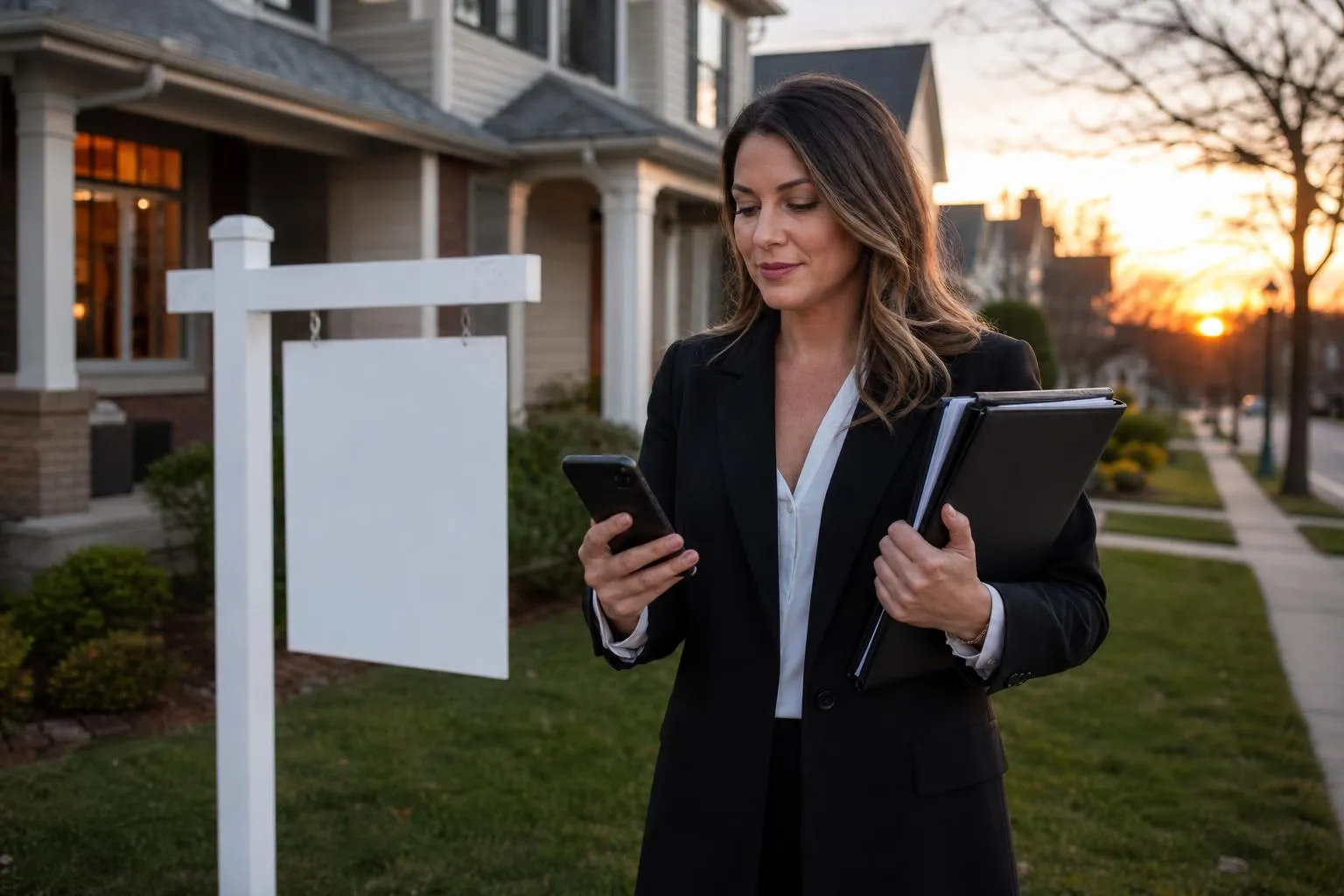
A real estate agency does not have one location. It has two. The first is the farm, the slice of the map your listings and clients come from, and it is where every dollar of commission is born. The second is the office, which mostly decides your overhead. Most new agents sweat the office lease and pick a farm by accident, which is exactly backwards and the most expensive mistake in this trade.
The two location decisions, and which one pays
The farm is the geographic area, usually paired with a price band, that you commit to owning. Farming is the old term of art, and it still decides your income. The office is just where you and any agents are based, a cost center until you have enough people to need it.
For a solo agent or a new team, a leased office is often a vanity purchase. Your license has to hang somewhere, but that is increasingly a cloud brokerage, not a storefront, and which brokerage you join is a separate call from which farm you work. Before committing a dime, know the full startup number in how much you need to start a real estate agency.
How to read a farm: turnover, price, and absorption
Three numbers separate a farm that pays from one that only looks good on a sunny drive-through.
Turnover rate is homes sold over the last 12 months divided by total homes. Above roughly 6% is healthy, 4 to 5% is slow, and below 4% will starve you. Average sale price drives commission per deal, since a side pays 2.5 to 3% of the price: on a $400,000 home, that is $10,000 to $12,000 a side before your split. Absorption, or months of inventory, shows how fast current listings clear, where under about 3 months is a seller’s market and 6 or more tilts toward buyers.
Office, cloud, or hybrid: what each really costs
Four setups are common, and the trend is firmly toward light overhead. A storefront earns its rent only with real walk-in traffic or a team that needs a base.
| Setup | Monthly cost | Commitment | Best for |
|---|---|---|---|
| Cloud or virtual brokerage | $0 to $200 in fees | Month to month | Solo agents keeping overhead near zero |
| Home office | $0 to $150 | None | Self-starters with no walk-in need |
| Coworking or shared desk | $150 to $600 | Monthly to yearly | On-demand professional meeting space |
| Leased storefront | $1,500 to $6,000 or more | 3 to 5 year lease | Teams of 5 or more with foot traffic |
Leasing a storefront office
- A signed window on a busy street is free exposure to every car and pedestrian that passes.
- A real address and meeting room read as established, which can win a listing presentation against a kitchen-table agent.
- A base seats a team, hosts training, and gives 5 or more agents somewhere to belong.
Leasing a storefront office
- At $1,500 to $6,000 or more a month, you owe 2 to 6 closed sides a year just to cover rent.
- Commercial leases run 3 to 5 years with a personal guarantee, so one slow year still owes in full.
- CAM charges, utilities, signage permits, and a build-out push the true cost 20 to 40% above base rent.
The decision rule is overhead-light until proven otherwise: take the storefront only when a team or real walk-in traffic makes the rent cheaper than the deals it brings, never because an office feels official.
Sizing the radius and reading the competition
Tight beats wide. Aim for a farm you can cross end to end in about 15 minutes, because a territory you cannot service fast bleeds your day in the car and kills the neighbor-referral effect that makes farming compound. That loop only works when your signs and past clients sit on the same streets.
Then read who owns the ground. Drive the farm and note whose name is on the sold signs. An incumbent with 30% of the listings is a two to three year war, while a fragmented farm with no dominant name is an open door. Match the price band to the income you need and the clients you can credibly serve. Once the farm is set, the playbook for owning it is in how to promote a real estate agency locally and how to get clients for a real estate agency.
Being found in the area you chose
Picking the farm is half the job. The other half is whether buyers and sellers in it find you, and that is where the deep end starts. Good looks like this: you show in the local map pack for “[your town] real estate agent,” your Google Business Profile is claimed and stacked with recent reviews, and the site those searches land on turns clicks into booked calls. A few free moves are worth making today: claim and verify your Google Business Profile, set the service area to your farm, and ask every client for a review while the keys are still warm.
Past that it gets high-stakes fast. Ranking a specific area against entrenched agents and the portals like Zillow and Realtor.com is a moving, competitive discipline, and a slow site or a buried call button quietly loses the leads you paid to attract, because you never meet the buyer who bounced. That is why we build these rather than hand you a checklist. If you would rather a built-to-convert site carry your farm than wrestle a page builder at midnight, get a free video walkthrough. The ads and SEO that fill it are their own high-stakes discipline, run on the services side, and if you have a bigger idea that needs a plan first, start here.
Pair the right farm with a presence that converts, and a neighborhood that pays a scattered agent pennies pays a focused one a living. See how much profit a real estate agency can make.
Frequently asked questions
What is the most important location decision for a new real estate agency?
The farm, not the office. It is where your listings and commissions come from, so a tight, high-turnover farm matters far more than a fancy address; the office is overhead that can wait until a team or foot traffic justifies it.
What turnover rate makes a neighborhood a good farm?
Above 5 to 6% annual turnover is healthy, 4 to 5% is slow, and below 4% leaves you fighting over scraps. Divide homes sold in the last 12 months by total homes in the area; it is the best single predictor of whether a farm can keep you busy.
Do I need a physical office to start a real estate agency?
Usually not. A cloud or virtual brokerage keeps monthly cost near zero and is where most new agents and lean teams should start. Check your state’s office-of-record and signage rules first, then lease a storefront only once a team or genuine walk-in traffic makes the rent cheaper than the deals it brings.
How big should my farm or service area be?
Aim for 500 to 2,500 homes you can cross end to end in roughly 15 minutes. Concentrate rather than scatter, so your signs, past clients, and reputation compound on the same streets. Spreading thin across a metro breaks the referral loop that makes farming work.
How do people in my farm actually find me online?
Through the local map pack, a claimed and well-reviewed Google Business Profile, and a site that converts the visit into a call. Claiming the profile and gathering reviews are free and yours to do; ranking the area and building a site that captures the lead are high-stakes, which is why a built-to-convert site is something we build, with the ads and SEO that feed it on the services side.
Your move
Reading this does not book a job.
The owners who pull ahead are the ones who change one thing this week. If you want that one thing to be a website that sells and ads that put it in front of the right people, we build and run both for you.
Straight answer on whether we can help, usually the same day.