Buying Equipment and Supplies for a Gym
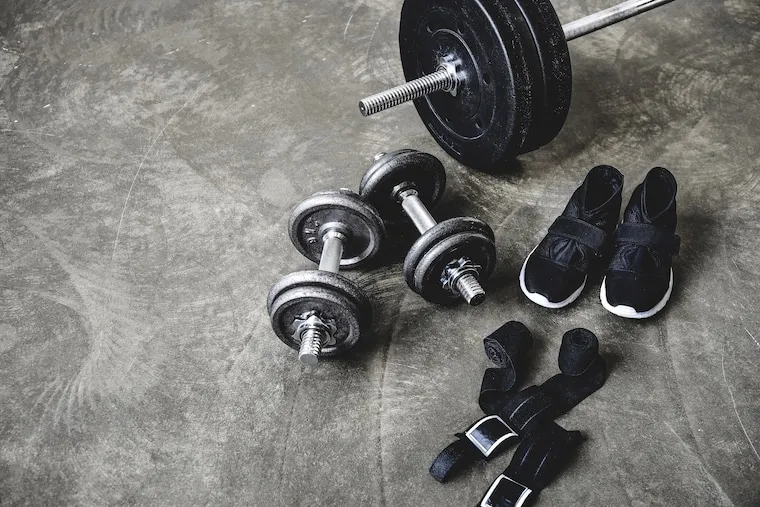
The mistake that wrecks a gym’s first year is not buying cheap equipment. It is buying the wrong equipment new. New owners blow their budget on a wall of treadmills that break in 18 months and depreciate like a car, then run out of cash for the racks members actually line up for. The operator’s rule is simple and saves tens of thousands: buy your strength gear used and your cardio new, and measure everything in cost per training station.
Buy strength used, buy cardio new
Steel does not wear out. A power rack, a barbell, a bench, and a set of bumper plates from Rogue, Hammer Strength, or Sorinex will outlast you whether you buy them new or ten years old. That is why the used market is a gift for the strength side of your floor: you pocket 40% to 60% and lose nothing but the shine. Facebook Marketplace, used-fitness dealers, and gym-liquidation auctions (a gym closing is your best day) are full of racks at half of retail.
Cardio is the opposite. Treadmills, ellipticals, and bikes are motors, belts, and boards with a duty cycle that grinds down, and a used one arrives with its warranty already dead and its most expensive failure ahead of it. Buy cardio new from Life Fitness, Precor, or Matrix with the commercial warranty intact, or lease it so the maintenance is someone else’s problem. The full launch context is in best way to start a gym.
Price by training station, not by machine
Members do not count your machines; they count whether they can get a workout without waiting. So budget by station, one spot where one person trains, not by line item. A single power rack with a bar and plates is one loaded strength station that serves back squats, presses, rows, and rack pulls for $1,500 to $3,500. A $6,000 treadmill is one station that does exactly one thing.
| Station / item | New | Used (strength) | Members served |
|---|---|---|---|
| Power rack + bar + bumper set | $3,000 to $4,500 | $1,500 to $2,500 | High, many lifts |
| Adjustable bench | $600 to $1,200 | $250 to $500 | High |
| Dumbbells 5 to 100 lb pair set | $4,000 to $7,000 | $2,500 to $4,500 | Very high |
| Cable / functional trainer | $3,500 to $6,000 | $2,000 to $3,500 | High |
| Commercial treadmill | $5,000 to $8,000 | Avoid used | Low, one function |
| Rubber flooring (per 1,000 sq ft) | $2,500 to $5,000 | n/a | All members |
Load the floor with strength stations first; they cost less per station and serve more members per hour. The cardio wall comes after MRR covers it. Fit the layout to your space using identifying the ideal locations for a gym and size the full budget in how much you need to start a gym.
Do not let equipment financing eat your cash flow
Vendors will happily finance your whole package, and used correctly that is smart, it preserves the opening cash you need for rent, insurance, and payroll. But run the payment before you sign. A $60,000 equipment package at 10% over five years is roughly $1,275 a month, every month, starting before you have a single member.
The alternative is buying core strength gear used for cash and financing only the cardio you truly need. Weigh it as a real decision:
Finance new vs buy used for cash
- Financing new keeps $40k to $60k of opening cash in the bank for rent, insurance, and the presale ad budget.
- New commercial gear arrives with full warranties and service contracts, so a breakdown is not your bill.
- One clean package from one vendor means one delivery, one install, and one number to negotiate.
Finance new vs buy used for cash
- The interest turns a $60k package into $75k+ repaid, and the payment starts before revenue does.
- A default on a personally guaranteed lease follows you after the business closes.
- New gear depreciates hard, resell a two-year-old treadmill and you eat 50%+ of its value.
The rule most survivors follow: finance cardio (which needs the warranty), buy strength used for cash (which does not), and keep total equipment debt under what 60 members would cover.
Getting found is the part that decides everything
Great equipment does not fill a gym; a full lead pipeline does. Two free moves first: photograph your loaded racks and clean floor in good light and post them to your Google Business Profile, and list a “test-drive the gym” free trial that turns a curious lifter into a walk-in. Local demand tactics are in how to promote a gym locally and how to advertise a gym.
The higher-stakes piece is a site that shows off that equipment and books a tour, real photos of your floor, your price, and a “start free trial” button above the fold, loading in under three seconds on a phone. The gap between a site that converts searchers and one that just looks nice is invisible until you compare lead counts, and it is most of your first year’s growth. That is our work: to have it built right, get a free website walkthrough. For ads and SEO, see our services. If you have the concept but not the numbers, start at expntl.com.
Frequently asked questions
Should I buy new or used gym equipment?
Buy strength equipment used and cardio new. Racks, bars, plates, and benches are steel that does not wear out, so a used Rogue rack at half price is a bargain. Treadmills and ellipticals are motors and boards with a limited lifespan, and a used one arrives with a dead warranty, so buy those new from Life Fitness, Precor, or Matrix.
What is the minimum equipment to open a strength gym?
Four to six power racks, a full dumbbell set from 5 to 100 lb, adjustable benches, bumper plates, a couple of cable machines, and rubber flooring will open a serious 24/7 strength box. You can add cardio and specialty machines as membership recurring revenue covers them. Starting strength-first keeps your opening cost near the low end of the range in how much you need to start a gym.
How much does it cost to equip a small gym?
A lean strength floor runs $30,000 to $60,000 if you buy used for cash; a fully new package with a cardio wall runs $80,000 to $150,000. The spread is almost entirely new-versus-used strength gear and how many cardio machines you insist on at opening. Buying used for cash keeps you out of the financing trap that strains first-year cash flow.
Where do gyms buy used equipment?
Gym-liquidation auctions (when a gym closes), used-fitness dealers, Facebook Marketplace, and direct from gyms upgrading their floor. A closing gym is the single best source because you can buy an entire coordinated set at once, well below retail. Always inspect welds, cables, and pins in person, and test every moving part before you pay.
Do I really need commercial-grade equipment?
Yes. Home-grade equipment has a lower duty cycle and its warranty is void the moment it operates in a paying facility, which can also void your insurance coverage if a member is hurt on it. Commercial spec is built for eight hours a day of strangers, and it is the only equipment your carrier and your liability waivers assume you are running.
Your move
Reading this does not book a job.
The owners who pull ahead are the ones who change one thing this week. If you want that one thing to be a website that sells and ads that put it in front of the right people, we build and run both for you.
Straight answer on whether we can help, usually the same day.