Buying equipment and supplies for car rental business
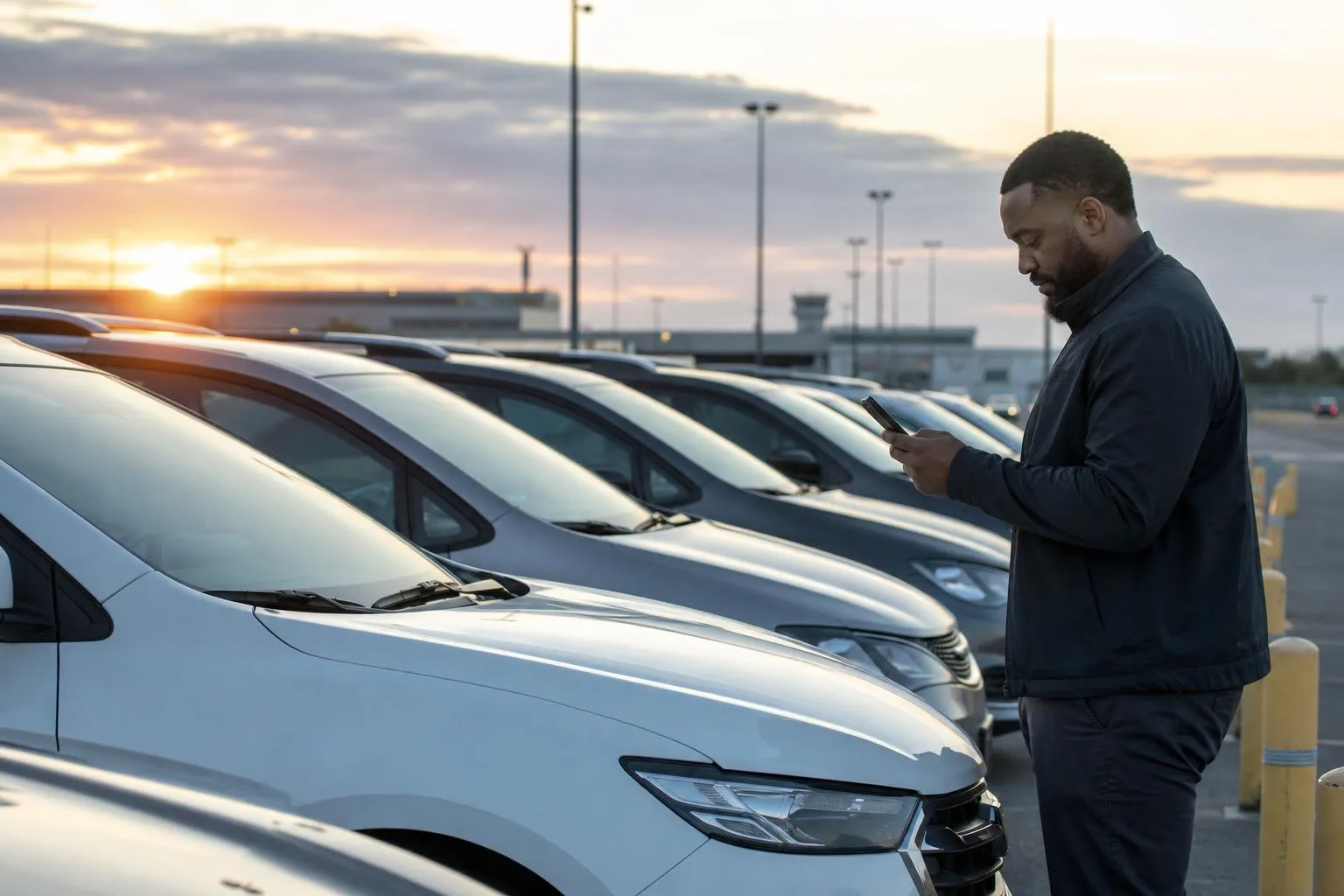
Everyone shopping for a car rental business fixates on the cars and forgets that the fleet is a depreciating asset you have to protect, track, and turn around fast. The car is 90% of your spend. The other 10%, the telematics, the software, the detail kit, the dash cams, is what keeps that 90% from walking off your lot, aging too fast, or coming back damaged with no proof. Skip it and you are running a business worth six figures with no locks on the doors.
The fleet is the asset, so buy it like one
Your cars are inventory that loses value every month, so the buying decision is really a depreciation decision. A 2 to 4 year old car with 30k to 60k miles is the sweet spot: the steepest depreciation curve is already behind it, but it still has years of rental life. Buy from fleet auctions (Manheim, ADESA), off-lease inventory, or dealer trade-ins, and get a pre-purchase inspection on every unit. One salvage-title surprise or a transmission on its way out wipes the margin on that car for a year.
Match the mix to demand, not to taste. A first fleet that rents well is mostly reliable sedans (Camry, Accord, Corolla) with one or two compact SUVs (RAV4, CR-V) for families and airport pickups. The reasoning behind the whole lean-start approach is in the best way to start a car rental business.
The equipment stack, itemized
Beyond the cars, here is what a lean multi-car operation actually needs and what it costs. These are per-car unless noted.
| Item | Cost | Why it earns its keep |
|---|---|---|
| Hardwired GPS tracker (Bouncie, Moovtrax, Vyncs) | $100 to $250 + $8 to $20/mo | Recover a stolen car in hours; enforce mileage caps |
| Dual-facing dash cam | $80 to $200 | Wins damage and at-fault disputes with video |
| Detail kit (vacuum, steamer, microfiber, solutions) | $150 to $300 (shared) | Fast turnaround, protects resale value |
| Reservation/booking software | $0 to $150/mo (fleet) | Kills double-bookings, automates billing |
| Digital contract + e-sign (JotForm, HelloSign) | $0 to $40/mo (fleet) | Enforceable agreement, damage waiver on file |
| Portable jump pack + tire inflator | $60 to $150 | Roadside saves a canceled booking |
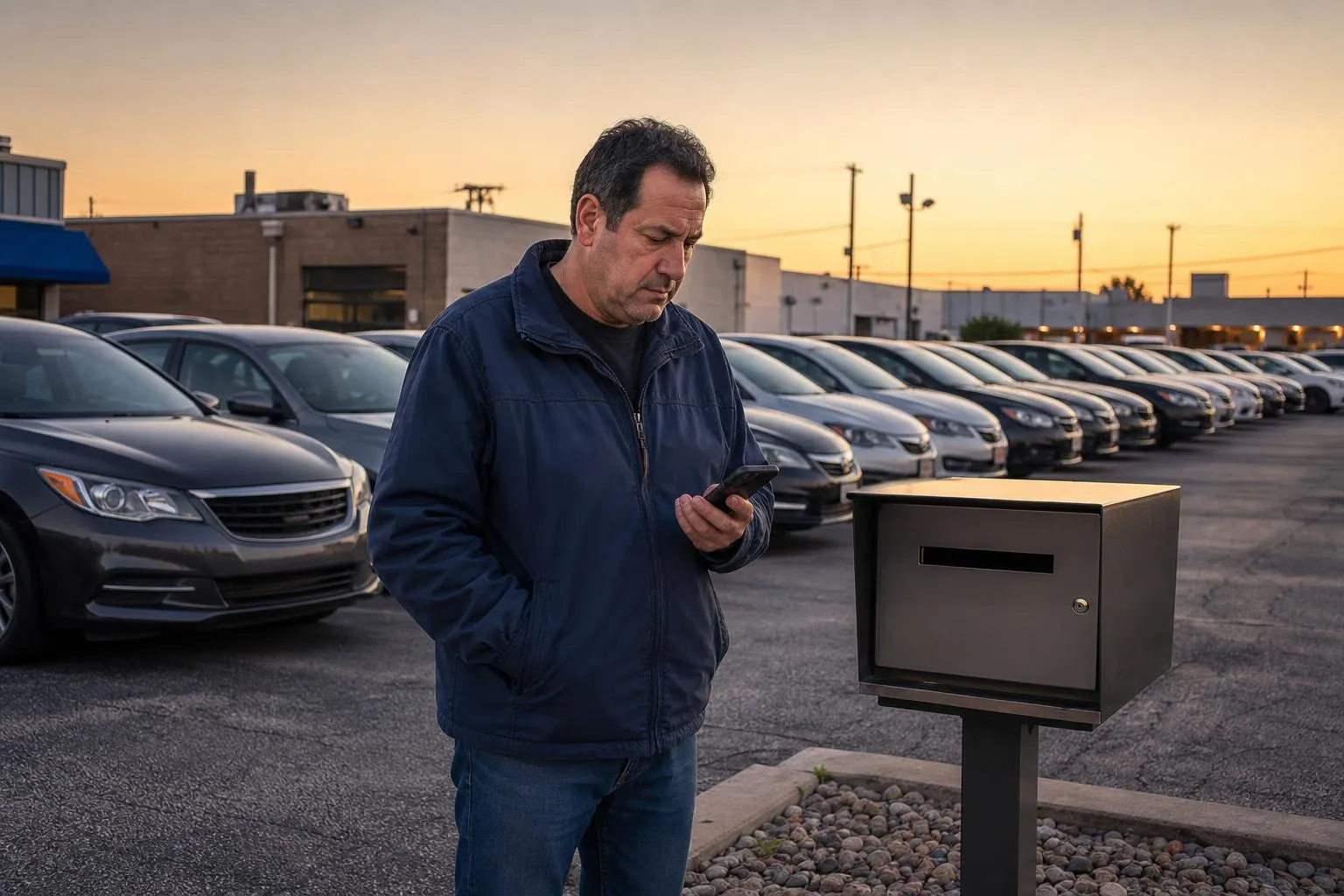
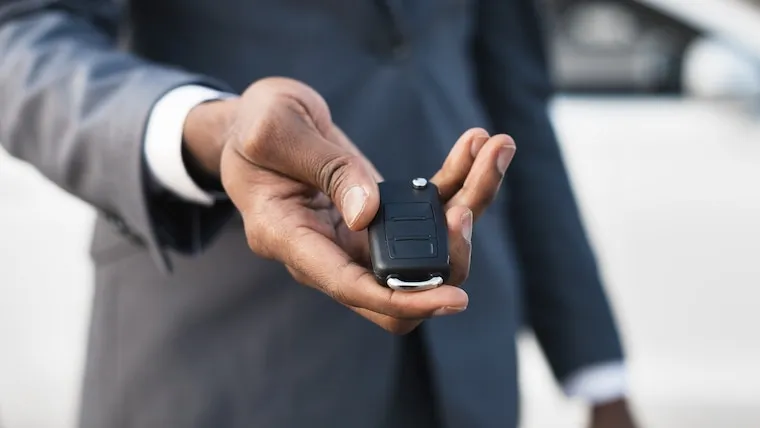
| Signage, lockbox, spare key setup | $50 to $200 | Contactless handoff, keeps utilization up |
Notice the software and legal lines are per fleet, not per car, so they get cheaper as you scale. The trackers and cameras are per car and non-negotiable once you own assets worth this much.
Software runs the bookings so you do not
Manual bookings on a spreadsheet or text thread work for two cars and fall apart at five. The reservation layer is what prevents the double-booking that lands a renter at your lot for a car that just left, and that renter leaves the one-star review that tanks your ranking. On Turo the booking engine is built in. Independent operators use tools like HyreCar’s fleet tools, Rental Cover, or a booking plugin on their own site, paired with a digital contract and e-signature so every rental has a signed agreement and damage waiver on file. How the software ties into daily operations is covered in how to successfully run a car rental business.
The detail kit protects the fifth of your return you can’t see
A car’s resale value is a huge share of your total return, and a car that comes back to auction clean, undamaged, and low-mileage sells for thousands more than a beat-up twin. That is why the humble detail kit, a good vacuum, a steamer for seats, microfiber towels, glass and interior solutions, an ozone or enzyme treatment for smoke and pet odor, punches far above its cost. It also drives your turnaround time, and turnaround time drives utilization. A two-hour turnaround per car keeps the fleet moving; a half-day turnaround quietly costs you a booked day a week per car.
In-house detailing vs outsourced
- A $200 kit and your own labor costs about $8 in supplies per turnaround versus $25 to $60 for a mobile detailer.
- You control the turnaround clock, so a car can relist in two hours instead of waiting on a vendor’s schedule.
- You catch new damage yourself during cleaning, before the next renter blames you for it.
In-house detailing vs outsourced
- Your time is not free; at five-plus cars, detailing eats hours you could spend on bookings and growth.
- Deep jobs (odor removal, headliner stains, paint correction) need equipment and skill a kit does not cover.
- A pro detailer’s finish can lift resale and reviews more than a rushed self-clean between rentals.
Getting found is the part that decides everything
You can own the right cars and the right gear and still stall if the phone never rings. A couple of steps are free and worth doing today. The rest is high-stakes work where doing it badly costs more than skipping it.
The free pieces, now: photograph every car properly in good light, because listing photos are your storefront and blurry ones lose the booking to the operator two miles away. Then claim your Google Business Profile and text every happy renter a review link. The rundown on tools that get you found is in how to advertise your car rental business.
Now the high-stakes part. A booking site is not a brochure. Good means it loads in under three seconds on a phone, ranks for “car rental near me,” shows your fleet with live availability, and takes a deposit at booking. That is hard, because the gap between a site that converts and a pretty one that does nothing is invisible until you compare the numbers: a site converting 2% instead of 6% loses two thirds of its bookings. Paid ads are the same, where a badly built campaign trains the platform to send you worse traffic. This is the work we do. To have the site handled instead of guessed at, get a free video walkthrough. For ads and SEO, see our services. If you have the idea but not the plan yet, start at expntl.com.
Frequently asked questions
Do I really need GPS trackers on every car?
Yes, once you own assets worth $20k-plus each. A hardwired tracker (Bouncie, Vyncs, Moovtrax) costs about $150 and $15 a month, recovers a stolen car in hours instead of weeks, and lets you enforce mileage caps and geofences. Many commercial insurers also discount a documented tracker by 5% to 15%, so it often pays for itself.
What reservation software should I use?
If you host on Turo, the booking engine is built in and you need nothing else to start. Independent operators pair a booking tool (HyreCar fleet tools, Rental Cover, or a site plugin) with a digital contract and e-signature so every rental has a signed agreement and damage waiver. Budget $0 to $150 a month for the whole fleet, not per car.
How much should I budget for supplies beyond the cars?
Plan on roughly $2,000 to $3,000 all-in for a five-car fleet’s first year: trackers and dash cams per car, a shared detail kit, and monthly software and e-sign subscriptions. It is about 10% of your fleet spend and it protects theft losses, wins damage disputes, and preserves resale value.
Should I buy new or used cars for the fleet?
Used, almost always. A 2 to 4 year old car with 30k to 60k miles has already taken its steepest depreciation hit while keeping years of rental life. Buy from Manheim or ADESA auctions or off-lease inventory, and get a pre-purchase inspection on every unit to avoid a salvage-title or major-repair surprise.
Is a dash cam worth it in a rental?
For the cost, it is one of the best buys on the list. An $80 to $200 dual-facing dash cam gives you video that settles damage claims and at-fault accident disputes, which routinely saves $1,500 to $4,000 per incident. Without it, a “it was already like that” argument usually ends with you paying the repair.
Your move
Reading this does not book a job.
The owners who pull ahead are the ones who change one thing this week. If you want that one thing to be a website that sells and ads that put it in front of the right people, we build and run both for you.
Straight answer on whether we can help, usually the same day.