How to promote a yoga business on YouTube
YouTube is not social media, and treating it like Instagram is why most studio channels have 40 subscribers and no leads. YouTube is the world’s second-largest search engine, and a video that ranks for “beginner yoga for tight hips” keeps working for three years while your Instagram post is gone by dinner. The move for a yoga business is not to chase viral views or ad revenue. It is to build a small library of genuinely useful free classes that rank, earn a stranger’s trust in 20 minutes of practice, and then quietly point the local ones toward your studio. Give the class away. Convert the neighbor.
Make videos people search for, not videos you want to make
The channels that work answer a query someone is already typing. Nobody searches “my studio’s Tuesday flow.” They search “yoga for beginners,” “20 minute morning yoga,” “yoga for lower back pain,” “bedtime yoga for sleep.” Build your library around those durable, high-search topics, and title the video the way people search: “Beginner Yoga for Complete Beginners (20 Minutes, No Equipment).” That is an evergreen asset that compounds. A trend-chasing Short is a lottery ticket.
Full-length classes are your foundation because they rack up the watch time YouTube rewards and they demonstrate exactly what a class with you feels like. Shorts have a role as a top-of-funnel teaser, a single pose breakdown or a 45-second mobility drill, but they convert to subscribers and members far worse than a full class does. Lead with length.
Win the click, then keep the viewer
Two numbers decide whether a video spreads: click-through rate on the thumbnail and audience retention once they click. The thumbnail is the ad for the video. Use a clear photo of a real pose, a readable four-or-five-word text overlay (“20 MIN MORNING YOGA”), high contrast, and a consistent look so people recognize your channel in a crowded results page. Spend real effort here; a great class with a weak thumbnail dies unseen.
Retention is won in the first 30 seconds. Cut the long intro. Open with what they will get and start moving fast. Then optimize the metadata: put the keyword in the title and the first line of the description, write a real description with timestamps (chapters keep people in the video), and add tags. This is the same search discipline that governs your studio’s Google ranking, applied to video.
| Element | What most studios do | What actually works |
|---|---|---|
| Title | ”Vinyasa Flow #14" | "20 Minute Vinyasa for Beginners (Full Class)“ |
| Thumbnail | Screenshot from the video | Posed shot + 4-word high-contrast text |
| First 30 seconds | 90-second channel intro | ”Grab a mat, here’s what we’ll do” then move |
| Length | 3-minute highlight reel | Full 20 to 40 minute practice |
| Description | One sentence | Keyword first line + timestamps + local offer link |
| Posting cadence | Sporadic bursts | One full class, same day, every week |
Turn free viewers into local members
Here is the part studios miss: a national viewer in another state is nice, but a viewer eight miles away is a member. Every video should convert. Pin a comment and add an end screen and card that point to your intro offer, verbally invite local viewers to come practice in person (“if you’re near [town], your first two weeks are $39”), and put your studio link and location in the description and channel banner. YouTube gives you the trust; your job is to hand the local ones a next step. This is the on-ramp to the retention and membership systems in how to successfully run a yoga business, and it feeds the same funnel as your other client-getting channels.
Decide: full classes or Shorts
You have limited filming hours. Where they go is the real strategic choice.
Prioritize full-length classes
- They rack up watch time, the metric YouTube most rewards, so they rank and keep ranking.
- They show a stranger exactly what your class feels like, which is what converts a viewer to a visitor.
- One evergreen class pulls views and leads for years with zero additional effort.
Prioritize full-length classes
- They take longer to film, edit, and produce well, so output is slower.
- Subscriber growth is steadier and slower than a Short that occasionally pops.
- A weak full class with a bad thumbnail still gets buried, so production quality matters more.
The playbook that wins for a studio: full-length classes are the backbone that ranks and converts, and Shorts are a light, cheap top-of-funnel that sends new eyes to the classes. Do not build the whole channel on Shorts hoping one goes viral; build it on findable classes and use Shorts to feed them.
Getting found is the part that decides everything
Two moves are free and worth doing first. Cross-post every full class to your other platforms and embed your best one on your website’s home page, so the video works for you off YouTube too; the sister tactics live in promoting on Instagram. Second, turn your best-performing classes into a playlist (“Beginner Yoga at Home”) so YouTube auto-plays viewers deeper into your library and your watch time compounds.
Now the high-stakes part. A YouTube viewer who wants to visit your studio still has to land somewhere that converts. If your channel sends motivated locals to a slow, generic site with no schedule and no clear offer, you did the hard creative work and lost the lead at the door. A fast page with your class times, your intro offer, and one book button above the fold is what turns a viewer into a member. If you want the site and the conversion path built right instead of guessed at, get a free video walkthrough. For help ranking the channel and running paid campaigns around it, see our services. If you have the studio idea but not the plan yet, start at expntl.com.
Frequently asked questions
Should a yoga studio post full classes or Shorts on YouTube?
Lead with full-length classes, because they generate the watch time YouTube rewards and they show a stranger exactly what practicing with you feels like, which is what converts. Use Shorts as a light top-of-funnel teaser that sends new viewers toward those full classes, not as the main content. One good full class a week beats a dozen Shorts hoping one goes viral.
How do I get my yoga videos to rank on YouTube?
Treat YouTube like search: pick topics people actually type (“20 minute morning yoga,” “yoga for back pain”), put the keyword in your title and first description line, and add timestamps. Then win the two levers the algorithm rewards, a high click-through thumbnail and strong audience retention in the first 30 seconds. Rankings compound over months, so consistency matters more than any single upload.
How does a free YouTube channel actually make money for my studio?
The channel is a lead magnet, not an ad-revenue play. You give the class away, earn a stranger’s trust over 20 minutes of practice, then convert the local viewers with a pinned intro-offer link, an end screen, and a spoken invitation to visit. A member is worth far more over their lifetime than any YouTube ad payout, so optimize for local bookings, not views.
How often should I post to grow a yoga YouTube channel?
Consistency beats volume: one well-produced full-length class on the same day each week outperforms sporadic bursts of daily uploads. YouTube favors channels that reliably deliver watch time, and burning out on a daily schedule usually tanks quality. Pick a cadence you can hold for a year and keep the production quality high.
Do I need expensive gear to film yoga classes for YouTube?
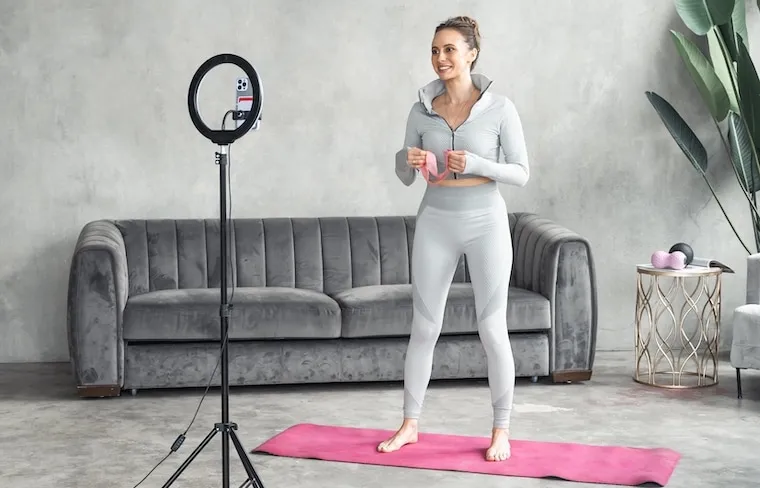
No. A recent smartphone on a tripod, a quiet well-lit room, and a cheap lavalier or shotgun mic clear the bar, because clean audio and good light matter far more than camera resolution. Viewers forgive modest video; they click off bad sound instantly. Invest your effort in the thumbnail, the title, and the first 30 seconds before you invest in a better camera.
Your move
Reading this does not book a job.
The owners who pull ahead are the ones who change one thing this week. If you want that one thing to be a website that sells and ads that put it in front of the right people, we build and run both for you.
Straight answer on whether we can help, usually the same day.