How to Promote a Yoga Business on Instagram
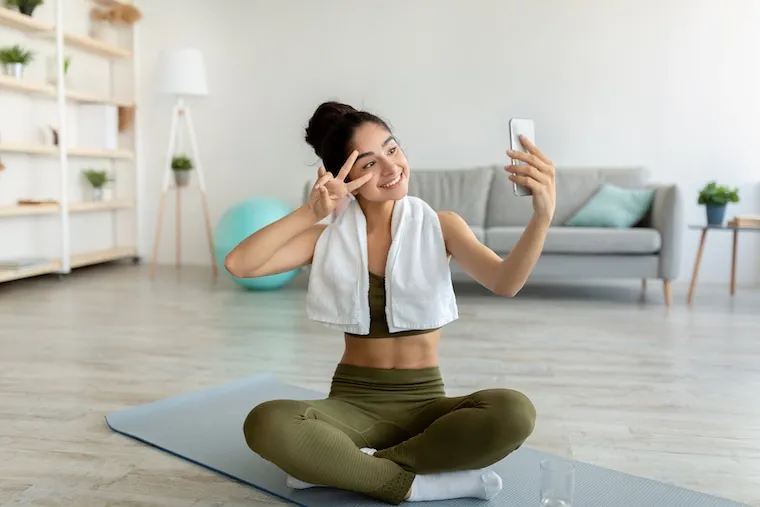
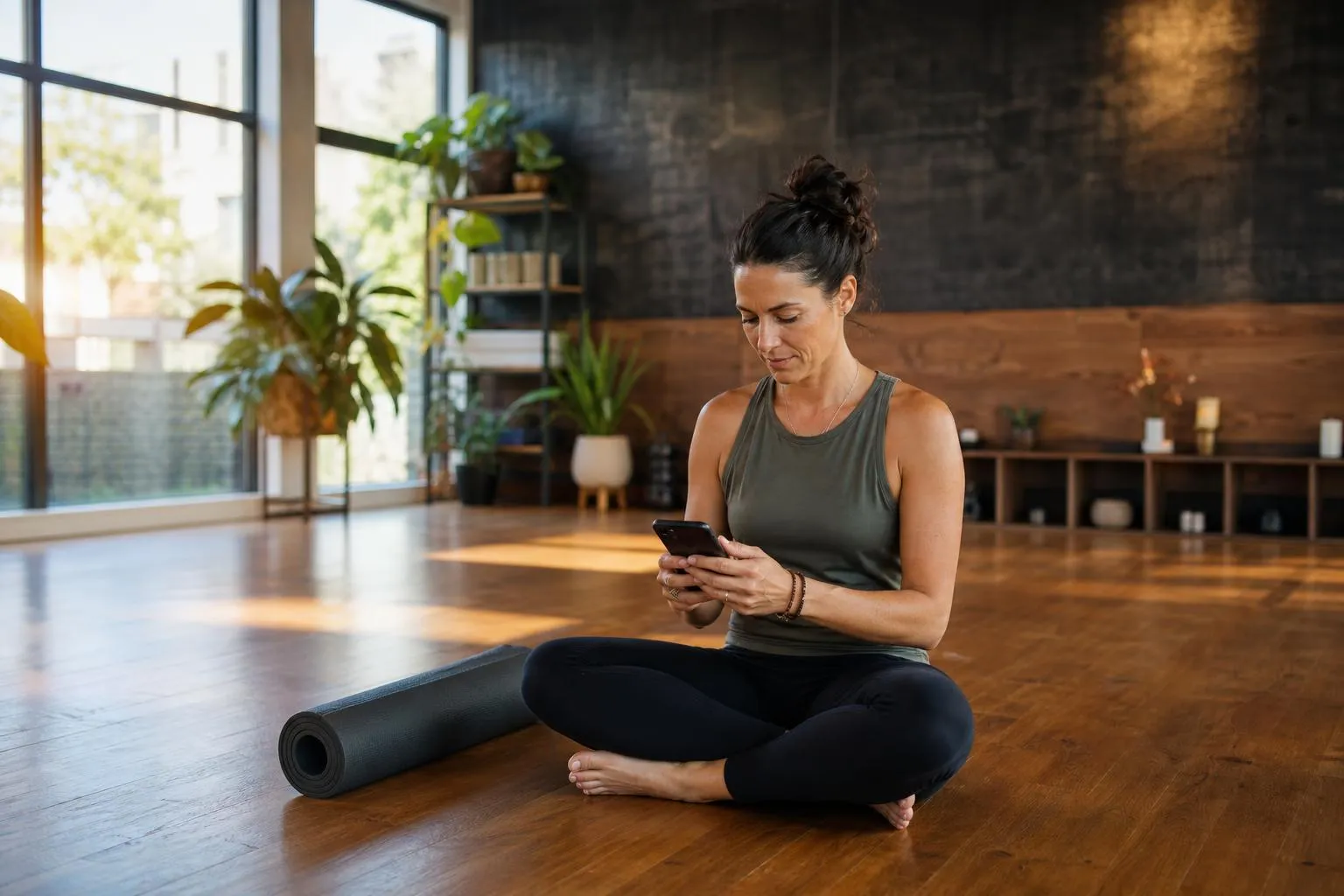
Here is the thing most studios get backward on Instagram: students do not follow yoga, they follow a teacher. The account posting flawless, faceless handstands against a white wall gets scrolled past, while the one where a real instructor talks to the camera about why her lower back used to hurt gets saved, shared, and booked. Your teachers’ faces and voices are the product. Perfect poses are wallpaper. Build the account around personality and the intro offers follow.
Turn your bio into a booking funnel
Your profile is a landing page, so treat it like one. The name field (not just the @handle) should say what and where you are, “Riverbend Yoga | Austin Studio,” because that field is searchable and it is how a local finds you. The bio’s one job is to move a visitor to the link, so it should name the neighborhood, state the vibe in a line, and end with a clear call to action pointing at your intro offer.
The link itself is the whole point of the account and most studios waste it. Do not send people to your generic homepage; send them to the intro-offer page where they can book “3 classes for $39.” Use the single link or a lightweight link-in-bio to route to booking, schedule, and the new-student page. Every follower who taps that link with nowhere good to land is a lost student, and the site on the other end has to convert, which is covered in how to make a website for your yoga business.
Put a real face and voice on the account
The content that grows a local yoga following is not the polished pose; it is the human behind it. Talking-head Reels where an instructor shares one useful thing, a fix for tight hips at a desk, why she stopped forcing the splits, what to expect in your first class, consistently out-perform silent, faceless demos because they build the parasocial connection that makes a stranger trust you enough to show up.
Rotate a mix so the feed feels like a place, not a catalog: quick pose tutorials with a real cue, “day in the life” of teaching, honest beginner reassurance, a 20-second studio walk-through, and the occasional student win. Show the studio itself, the light, the props, the front desk, so a nervous first-timer can picture being in the room before they ever arrive. Personality is the differentiator; twenty studios in your city post the same warrior pose, but only yours has your teachers.
Make Reels your discovery engine and Stories your retention loop
Instagram now surfaces Reels to non-followers far more than photos, which makes Reels your primary tool for reaching new local people, while Stories are how you stay present with the followers you already have. Use them for different jobs. Reels are for being found; Stories are for being remembered and for the soft daily nudge toward the schedule.
In Stories, run a few frames a day: today’s class times, a behind-the-scenes clip, a countdown to a workshop, a poll asking what students want more of, and a swipe-up (link sticker) to book. Save the important ones as Highlights, New Here, Schedule, Pricing, Teachers, so a first-time visitor can self-serve the answers that decide whether they book. The blunt reality is that photos of poses barely move anymore; motion and faces do.
| Format | Primary job | Cadence | What to measure |
|---|---|---|---|
| Reels | Reach new local people | 3-5 / week | Reach, saves, shares, profile visits |
| Stories | Stay present, nudge to book | 4-6 frames / day | Replies, link taps, poll responses |
| Carousels | Educate, earn saves | 1-2 / week | Saves, follows |
| Highlights | Convert new visitors | Evergreen | Profile-to-link taps |
| Lives | Deepen the community | 1-2 / month | Comments, new follows |
Geo-tag everything or the reach is wasted
This is the mistake that quietly wastes the most effort: chasing broad yoga hashtags and national reach when your entire market is a few miles wide. A Reel that hits 50,000 views nationwide and zero people within driving distance fills no classes. Every post, every Reel, every Story should carry a location tag for your city and neighborhood, and your hashtags should skew local, “#austinyoga” and “#atxwellness” over “#yogaeveryday.”
Mix a handful of local tags with a few mid-size niche ones, and add your neighborhood to the caption in plain words so location-based search picks it up. The goal is not the biggest number; it is the biggest number of people who could actually book. Pair this with your other local channels, because Instagram works best as one layer of a local strategy, not a standalone play, as laid out in how to promote your yoga business locally and how to get clients for a yoga business.
Grow it yourself or bring in help: the honest trade
Instagram rewards showing up consistently, which is either free labor you can supply or a cost you outsource. Both are valid; the question is whether you can sustain the cadence.
In-house Instagram versus hiring it out
- Running it yourself is free and keeps the voice authentic, which is exactly what a personality-led yoga account needs.
- You know your teachers and students, so the content is real, timely, and specific in ways an agency struggles to fake.
- You can film a beginner-question Reel on your phone between classes, no budget required.
In-house Instagram versus hiring it out
- Consistency is brutal when you are also teaching a full schedule, and the account dies the week you get busy.
- Editing Reels, writing captions, and answering DMs daily is real hours that compete with actually running the studio.
- Doing it half-heartedly (a post every ten days) performs worse than a focused three-a-week rhythm, so inconsistent effort is close to wasted.
The clean rule: keep the face and voice in-house because that is the irreplaceable part, but batch-produce so a bad week does not kill the feed. Film a month of Reels in two sessions, schedule them, and let the daily Stories carry the live, in-the-moment energy.
Getting found is the part that decides everything
The free moves on Instagram are the ones that compound, so do them relentlessly: point the bio link at your intro offer, film beginner-question Reels weekly, geo-tag every post, and run daily Stories with a booking sticker. None of it costs money, and consistency, not virality, is what turns a local following into booked mats.
But Instagram only ever hands off; it never closes. Every follower who taps your link lands on your website, and if that page does not move them to the intro offer in two taps, the content work leaks out the bottom. This is the work we do: studio sites built to convert social traffic into booked intro passes, so get a free video walkthrough. Extend the reach with how to promote your yoga business on TikTok, and when you are ready to put money behind the best-performing posts, see how paid social works in our Meta ads service and in how to run Facebook for your yoga business. If you have the studio idea but not the business plan, start at expntl.com.
Should you run Instagram ads yourself, or hand them off?
The organic side of Instagram, the face, the voice, the daily Stories, is yours to keep and nobody can outsource it convincingly. But the moment you put real budget behind your best-performing Reels, you are in Meta’s ad platform, where a mistuned audience or a broken pixel quietly wastes the spend. We wrote an honest breakdown of when running paid social yourself still makes sense and when it does not: signs you need a Meta ads agency. Keep the storytelling in-house either way. When you want the paid side handled, request a free proposal.
Frequently asked questions
How often should a yoga studio post on Instagram?
Aim for three to five feed posts or Reels a week plus four to six Story frames a day. Consistency matters far more than volume or polish; a steady three-a-week rhythm compounds, while sporadic bursts followed by silence teach the algorithm to stop showing your posts. If you cannot sustain the pace live, batch-film a month of Reels in two sessions and schedule them.
What kind of content works best for yoga on Instagram?
Talking-head Reels where a real instructor answers a beginner’s fear or shares one useful cue, because students follow teachers, not poses. Show faces, voices, and the actual studio so a nervous first-timer can picture being in the room. Flawless, faceless pose photos look nice but rarely convert, since they build no personal connection and every studio posts them.
Should I use popular yoga hashtags or local ones?
Local ones, heavily. Your entire market is a few miles wide, so a Reel that reaches 50,000 people nationwide and nobody within driving distance fills zero classes. Geo-tag every post, favor tags like “#austinyoga” over “#yogaeveryday,” and name your neighborhood in the caption so location-based search can surface you to people who could actually book.
How do I turn Instagram followers into paying students?
Treat the app as top-of-funnel and move people off it fast. Point your bio link at a specific intro-offer page (“3 classes for $39”), use Story link stickers to nudge bookings, and measure profile visits and link taps rather than likes. The conversion happens on your website, so that page has to load fast and book a class in a couple of taps.
Do I need to be on Instagram if I already do local marketing?
It helps, but only as one layer. Instagram is excellent for putting a face on your studio and staying present with locals, yet it works best alongside a dialed Google Business Profile, reviews, and referral partners rather than in place of them. If your time is limited, a complete Google presence usually out-books a busy Instagram, so build that first and layer Instagram on top.
Your move
Reading this does not book a job.
The owners who pull ahead are the ones who change one thing this week. If you want that one thing to be a website that sells and ads that put it in front of the right people, we build and run both for you.
Straight answer on whether we can help, usually the same day.