How to Promote a Gym on YouTube
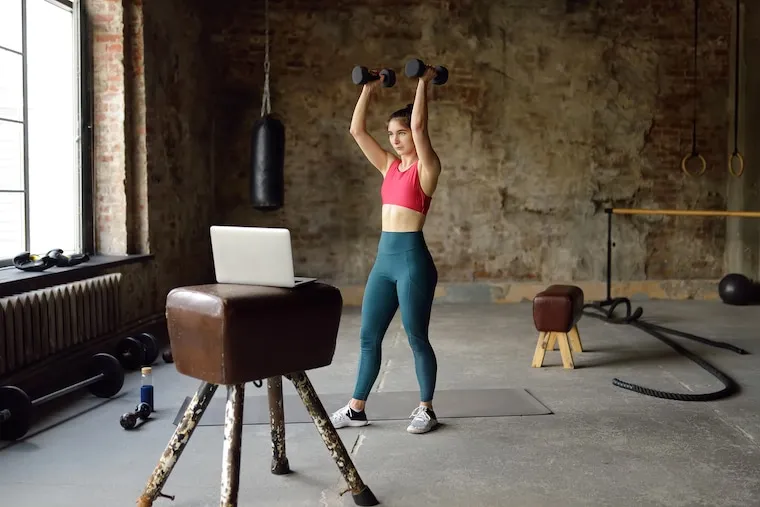
Most gym owners treat YouTube like Instagram with longer videos, and that is why their channel dies at nine uploads. YouTube is not a social platform where you feed a hungry algorithm daily or lose relevance. It is the second-largest search engine on earth, which means a single video titled “Beginner Full-Body Dumbbell Workout” can rank, sit there, and quietly send you trial walk-ins for three years after you filmed it. You are not building a following. You are building a search asset that works while you sleep.
Build for search intent, not for your existing members
The mistake is filming content your current members would like. Your members already pay you. The people worth reaching are typing questions into the search bar at 9pm on their couch, and your video needs to be the answer. Think about what a nervous beginner in your zip code searches: “how to use a squat rack,” “first time at the gym what to do,” “at home vs gym workout for beginners.” Every one of those is a person 30 to 60 days from buying a membership somewhere.
Title the video exactly as they would search it, not cleverly. “Squat Rack Setup for Beginners (Step by Step)” beats “Leg Day Domination” every time, because nobody searches “leg day domination.” Front-load the keyword in the first four words of the title and put your city or neighborhood in the description and in at least one video where it fits (“filmed at our gym in [City]”). Google surfaces YouTube results directly in local search, so a geo-relevant fitness video is a second bite at ranking that your competitors are ignoring.
The watch-time economics that decide who wins
YouTube makes money selling advertiser minutes, so it promotes whatever keeps people watching longest. That single fact should drive every editing decision you make. The metric that matters is not views, it is watch time (total minutes) and average view duration (the percent of the video people actually sit through). A video that holds people to the 50% mark tells YouTube “this is good, show it to more people,” and the flywheel spins.
Here is what that looks like across video types a gym can realistically make. The numbers are directional, based on how these formats typically perform for local fitness channels.
| Video type | Ideal length | Typical retention | Best use |
|---|---|---|---|
| Beginner “how to use X” tutorial | 6-9 min | 45-60% | Ranks in search, pulls cold traffic for years |
| Full follow-along workout | 20-35 min | 30-45% | High total watch time, builds subscribers |
| Form-fix / common mistakes | 4-7 min | 50-65% | Shareable, high completion, great thumbnails |
| Member transformation story | 3-5 min | 40-55% | Converts trust, not reach; link in description |
| Gym tour / “what to expect” | 2-4 min | 55-70% | Kills first-visit anxiety, drives the walk-in |
The tutorial and the form-fix are your workhorses because they combine search demand with high retention. The 30-minute follow-along is the loyalty play: fewer people find it cold, but the ones who do rack up huge watch time and come back.
Make the first 15 seconds earn the next ten minutes
Retention is won or lost in the opening. Cut the intro animation, cut “hey guys welcome back to the channel,” cut the throat-clearing. Open on the promise: “In the next six minutes I’ll show you how to set up a squat rack so you never get pinned under the bar.” Then deliver it. YouTube’s own data shows the steepest drop-off is in the first 30 seconds, so a five-second logo animation can quietly cost you a third of your audience before you say a word.
Keep the pace tight in the edit. Cut dead air, cut the “um,” and jump straight between demonstration steps. You do not need cinematography. You need a clear frame, audible sound, and no wasted seconds. Sound quality matters more than video quality here, which is why the $120 lav mic is the best money you will spend, not a fancier camera.
Turn viewers into trials with one link and one offer
A channel that gets views but no walk-ins is a hobby. Every video description needs the same three lines at the top: a one-sentence offer (for example “First class free for [City] locals”), a single clickable link to your booking page, and your address. Do not bury it. YouTube truncates the description, so the offer and link must sit above the “show more” fold in the first two lines.
Pin a comment on every video with the offer restated, because pinned comments get read far more than descriptions. And use YouTube’s end screen (the last 5-20 seconds) to point to one clear next step: “Come try it free, link below.” A viewer who watched eight minutes of your form tutorial is warm. Ask them to act while they still feel it.
Post weekly vs post in batches
- Weekly posting trains the algorithm and compounds subscribers faster in the first six months.
- A steady cadence keeps you visible in subscriber feeds and “recommended” slots.
- Small, frequent wins build the editing habit before it feels like a chore.
Post weekly vs post in batches
- Weekly filming steals 3-4 hours from running the gym, and burnout kills more channels than bad content.
- Batch-filming eight videos in one Sunday and scheduling them keeps quality consistent and protects your week.
- Search-driven videos rank on their own timeline, so a slower, evergreen cadence still works if titles are strong.
The honest answer for a busy owner: batch. Block one Sunday a month, film six to eight evergreen tutorials, and schedule them out. You get the compounding benefit of consistency without the weekly grind.
Getting found is the part that decides everything
YouTube is one channel, and it works best when it feeds something. Two things you can do for free today: film a two-minute gym tour titled “What to Expect on Your First Visit” (it kills the anxiety that stops beginners from walking in), and add your best tutorial as an embedded video on your website so it does double duty for SEO. For the wider local playbook, pair this with promoting your gym on Instagram for short clips and promoting your gym locally for the offline side.
Here is where it gets high-stakes. A video sends a warm viewer to your website, and if that site loads slowly on a phone, hides the trial offer, or has no click-to-book button, the view is wasted. The gap between a site that converts a curious clicker and a pretty one that does nothing is invisible until you compare the numbers. That conversion layer is the work we do. To have your site built to turn viewers into booked trials, get a free video walkthrough. For paid promotion of your videos and full-funnel ads, see our services. And if you have the gym concept but not the business plan behind it, start at expntl.com.
Frequently asked questions
How many subscribers do I need before YouTube helps my gym?
Almost none. Subscriber count is a vanity metric for a local gym; what matters is ranking for searches people in your area actually make. A channel with 500-1,000 subscribers and 25 well-titled tutorials can drive more trial walk-ins than a 50,000-subscriber fitness influencer who lives three states away. Optimize for local search intent, not for a subscriber milestone.
How often do I really have to post?
Consistency matters more than frequency for a search-driven channel. One well-optimized evergreen tutorial a week is plenty, and batch-filming a month’s worth in a single day is the sane way for an owner to sustain it. Because your videos rank in search rather than depending on a daily feed, a slower cadence still compounds as long as each title targets a real search.
What should I film if I hate being on camera?
You do not have to be the talent. Film over-the-shoulder demonstrations where your hands and the equipment are the focus, or have your most charismatic trainer front the videos while you shoot and edit. Follow-along workouts, form tutorials, and gym tours all work without a polished on-camera personality, and plain, useful delivery outperforms forced energy anyway.
Should I run ads on my YouTube videos to get more views?
Organic search should come first, because it is free and compounds. Paid promotion makes sense once you have a proven video that converts viewers to trials and you want to accelerate reach in your specific zip codes. Boosting a video that already sends walk-ins is smart; paying to promote a video that does not convert just buys you more wasted views, which is exactly the kind of full-funnel decision our services exist to get right.
Is YouTube better than Instagram or TikTok for a gym?
They do different jobs. Instagram and TikTok win attention in the moment but the content vanishes within days, while YouTube videos keep ranking and pulling traffic for years. Use short-form for reach and personality, and use YouTube as the durable search asset underneath it that a beginner finds the night before they decide to join.
Your move
Reading this does not book a job.
The owners who pull ahead are the ones who change one thing this week. If you want that one thing to be a website that sells and ads that put it in front of the right people, we build and run both for you.
Straight answer on whether we can help, usually the same day.