How to Promote a Construction Company on YouTube

Most contractors treat YouTube like a highlight reel and wonder why it does nothing. The channels that actually book work do the opposite of viral: they film one project start to finish, narrate the decisions a homeowner is scared to get wrong, and let that video sit and rank for the exact renovation someone in their county is searching at 11pm. YouTube is not a billboard. It is a salesperson that works while you sleep, and it only closes if you build it like a pipeline, not a portfolio.
Film the project, not a commercial
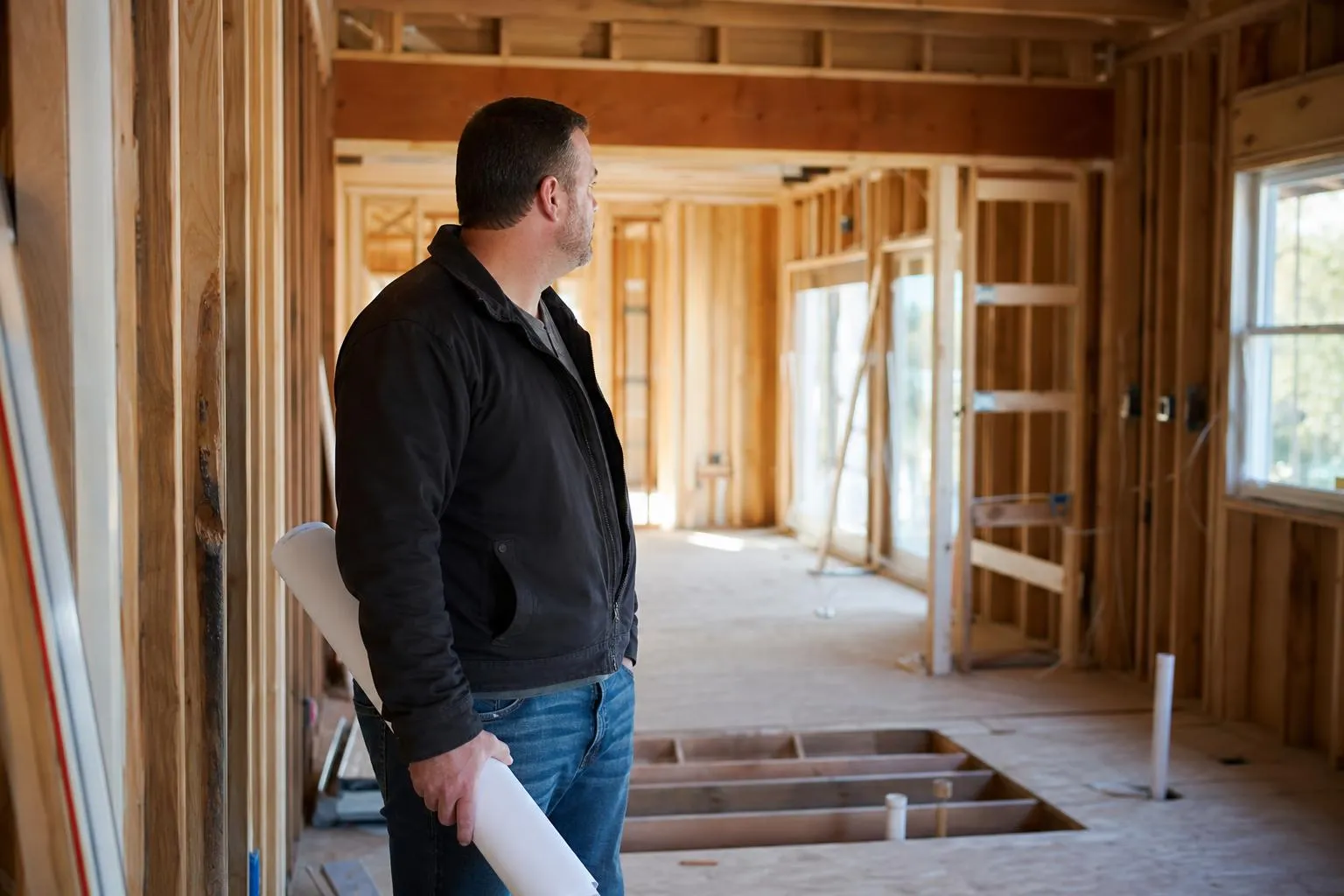
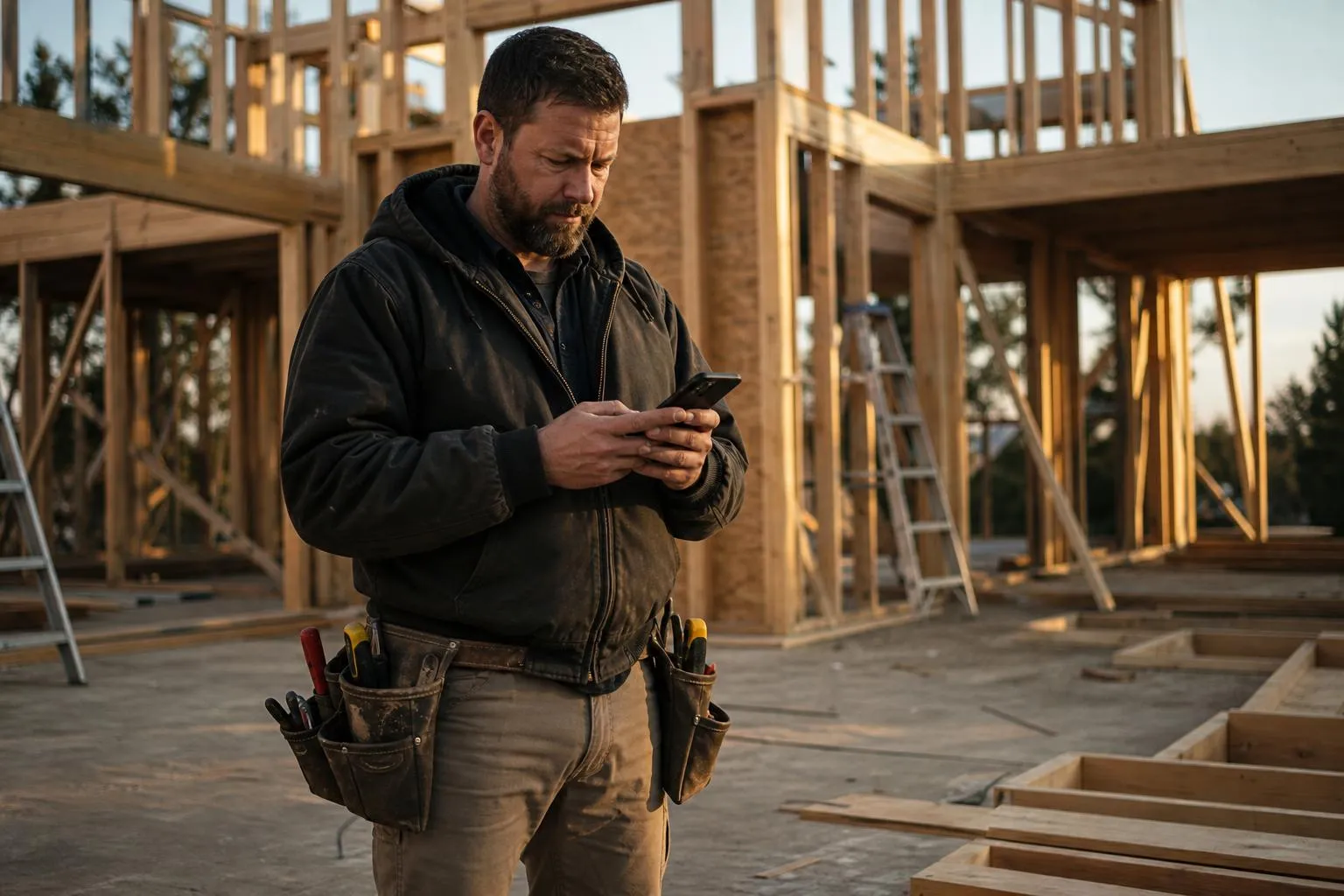
The single most valuable video you can make is a full walkthrough of a real job: the failed deck you demoed, the framing corrections, the moment you found rot behind the shower, the finished result. Homeowners are terrified of hiring the wrong contractor, and a 6-minute film of you explaining tradeoffs on a real site does more trust-building than any testimonial. Shoot vertical clips on the phone throughout the job for Shorts, then a few horizontal establishing shots for the long-form edit.
Do not script yourself into a corner. Narrate like you are walking the client through the punch list. The awkward, honest version outperforms the polished-agency version on this platform every time, because viewers are pattern-matching for a human they would let into their home.
Title for the search, not for you
The title and thumbnail decide 90% of whether a video gets watched. Write titles the way an anxious homeowner types, not the way you name a project internally. “Custom Kitchen Remodel, The Hendersons” earns nothing. “What a Full Kitchen Remodel Actually Costs (Real Numbers, 2026)” earns clicks for years. Put the money question or the fear in the title.
| Weak title (portfolio brain) | Strong title (search brain) | Why it wins |
|---|---|---|
| ”Bathroom Renovation Project" | "We Found Mold Behind This Shower, Here’s the Fix” | Curiosity plus a real fear homeowners share |
| ”Deck Build 2026" | "Composite vs Pressure-Treated Deck: 5-Year Reality Check” | Matches a decision searchers agonize over |
| ”Our New Home Addition" | "Room Addition Cost Breakdown: Permits, Framing, Finish” | Leads with the cost question everyone has |
| ”Concrete Driveway Pour" | "Why Your Concrete Cracks (And How Pros Prevent It)“ | Solves a problem, ranks for a common search |
Two-format engine: walkthroughs sell, Shorts get found
Long-form videos convert but are slow to discover. Shorts get discovered fast but convert poorly. Run both and let them hand off to each other. Post one long-form project video every one to two weeks and three to five Shorts a week clipped from the same jobsite footage, a satisfying demo, a “watch this go wrong, ” a quick tip on a material choice. The Shorts build subscribers and reach; the long-form closes.
The handoff is the whole trick: a viewer finds a Short, subscribes, then binges your walkthroughs when they are three weeks from starting their own project. That is why you never delete old footage. This mirrors how the Instagram approach works for reach, but YouTube search is where the buying intent lives.
Turn the view into a booked estimate
Views are vanity until they become a form fill. Every video needs a single, frictionless next step. Nobody pauses a video on their couch to dial a phone number. They will click a link. Put a booking link in the first line of the description and a pinned comment, and say out loud in the video “the link to get your project quoted is pinned in the comments.”
Send that click to a page built to convert, not to your homepage. A good landing page loads in under three seconds on a phone, shows your reviews and finished work above the fold, and has a short “get a quote” form. This is exactly the gap between a website that converts and one that just exists, a channel sending traffic to a weak site is pouring water into a bucket with holes.
Hire an editor vs edit it yourself
- An editor turns your raw footage into a finished video in a day, so you publish weekly instead of monthly.
- Consistent output is what the algorithm rewards, and consistency is exactly what a busy owner cannot sustain alone.
- Good editors add captions, chapters, and hooks that lift watch time, the metric that drives reach.
Hire an editor vs edit it yourself
- A competent construction-niche editor runs $150 to $400 per finished video, real money before the channel pays for itself.
- You hand over your voice, and a mismatched editor makes you sound like every other contractor.
- Early on, editing your own first ten videos teaches you what footage to capture on site, a skill you cannot delegate away.
The rule: edit your first ten yourself to learn what works, then hand it off the month you have paying jobs but no time.
Getting found is the part that decides everything
You can shoot beautiful work and still get zero calls if the channel is a portfolio nobody searches for and links to nowhere. Two moves are free and worth doing this week.
First, rewrite your five most-viewed video titles and thumbnails to match real search phrases from autocomplete, you can lift views on videos you already posted. Second, add a booking link to every description and pin it in the comments. Those two changes alone convert an idle channel into a lead source.
The higher-stakes work is the destination and the paid amplification. A channel is only as good as the site it sends clicks to, and a boosted video sent to a page that does not convert just spends money faster. That is the work we do: to have the site built to turn viewers into booked estimates, get a free video walkthrough. For running YouTube and paid social as an actual campaign, see our services. If you have the company but not the plan behind it yet, start at expntl.com.
Frequently asked questions
Do I need an expensive camera to start a construction YouTube channel?
No. A recent iPhone or Android plus a $100 gimbal and a $50 clip-on mic shoots footage clean enough to rank and convert. The bottleneck is never the camera; it is the editing time and whether your titles match what people search. Spend on an editor before you spend on a cinema camera.
How often should I post to actually grow?
One long-form project video every one to two weeks, plus three to five Shorts a week clipped from the same footage. Consistency matters more than volume, the algorithm rewards a channel that shows up predictably. Most contractors quit at month three, right before the compounding kicks in.
How long until YouTube brings me real leads?
Plan on 6 to 18 months before search-driven videos produce steady inbound. YouTube is a compounding asset, not a faucet you turn on. If you need leads this month, run Google Ads in parallel and let the channel mature underneath it.
What should my first three videos be?
A full walkthrough of your best recent project, a cost-breakdown video for your highest-margin service, and a “common mistake homeowners make” video in your trade. All three target searches with buying intent, and all three can be filmed on jobs you are already doing without adding a shoot day.
Should I run YouTube ads on top of organic videos?
Once you have a few videos that convert organically, yes, YouTube ads let you put your best walkthrough in front of homeowners in your service area for a few dollars per view. But run ads on a proven video, not a guess. Boosting a video that does not already convert organically just burns budget training the platform to send you worse viewers.
Your move
Reading this does not book a job.
The owners who pull ahead are the ones who change one thing this week. If you want that one thing to be a website that sells and ads that put it in front of the right people, we build and run both for you.
Straight answer on whether we can help, usually the same day.