How to run YouTube Ads for cleaning business
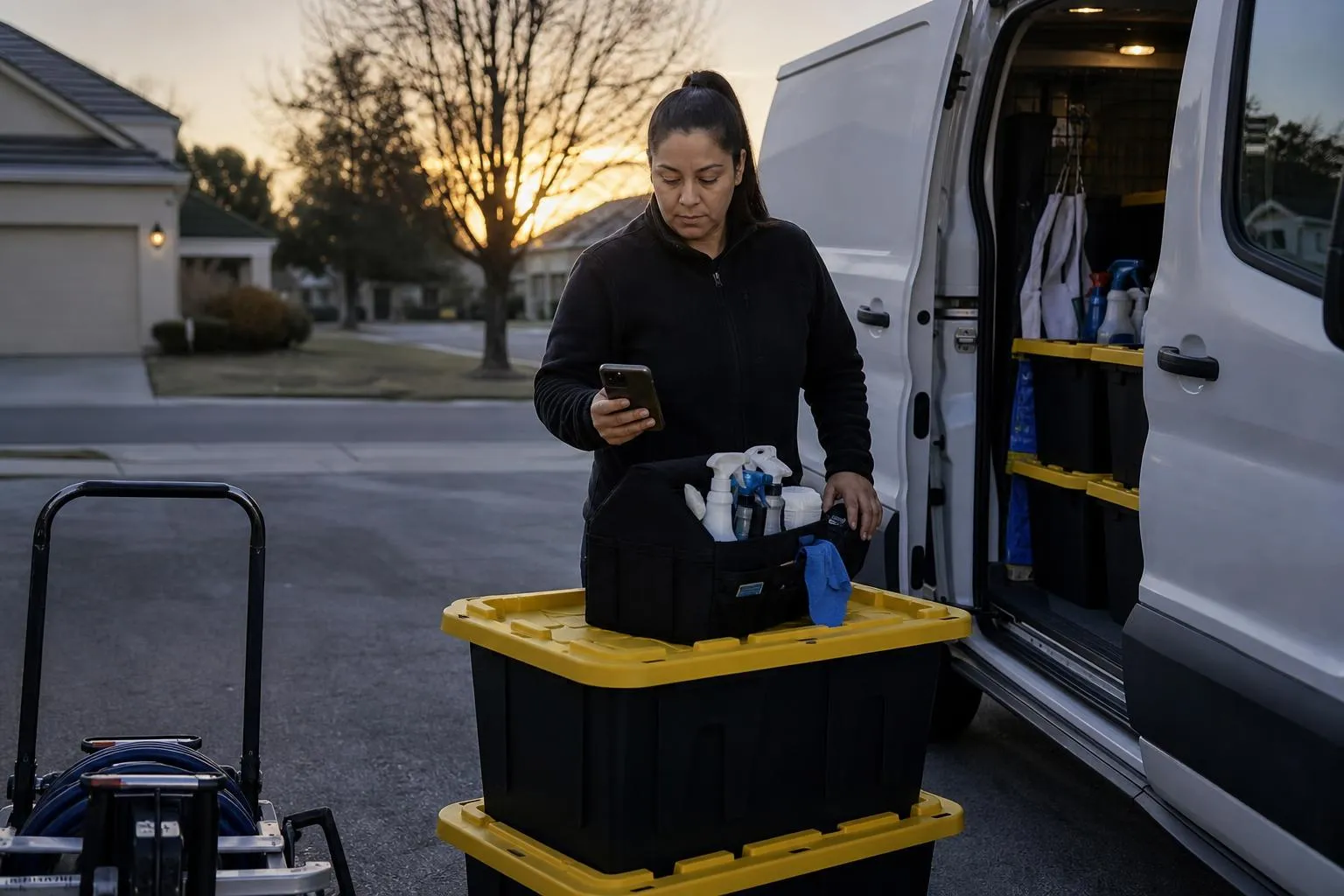
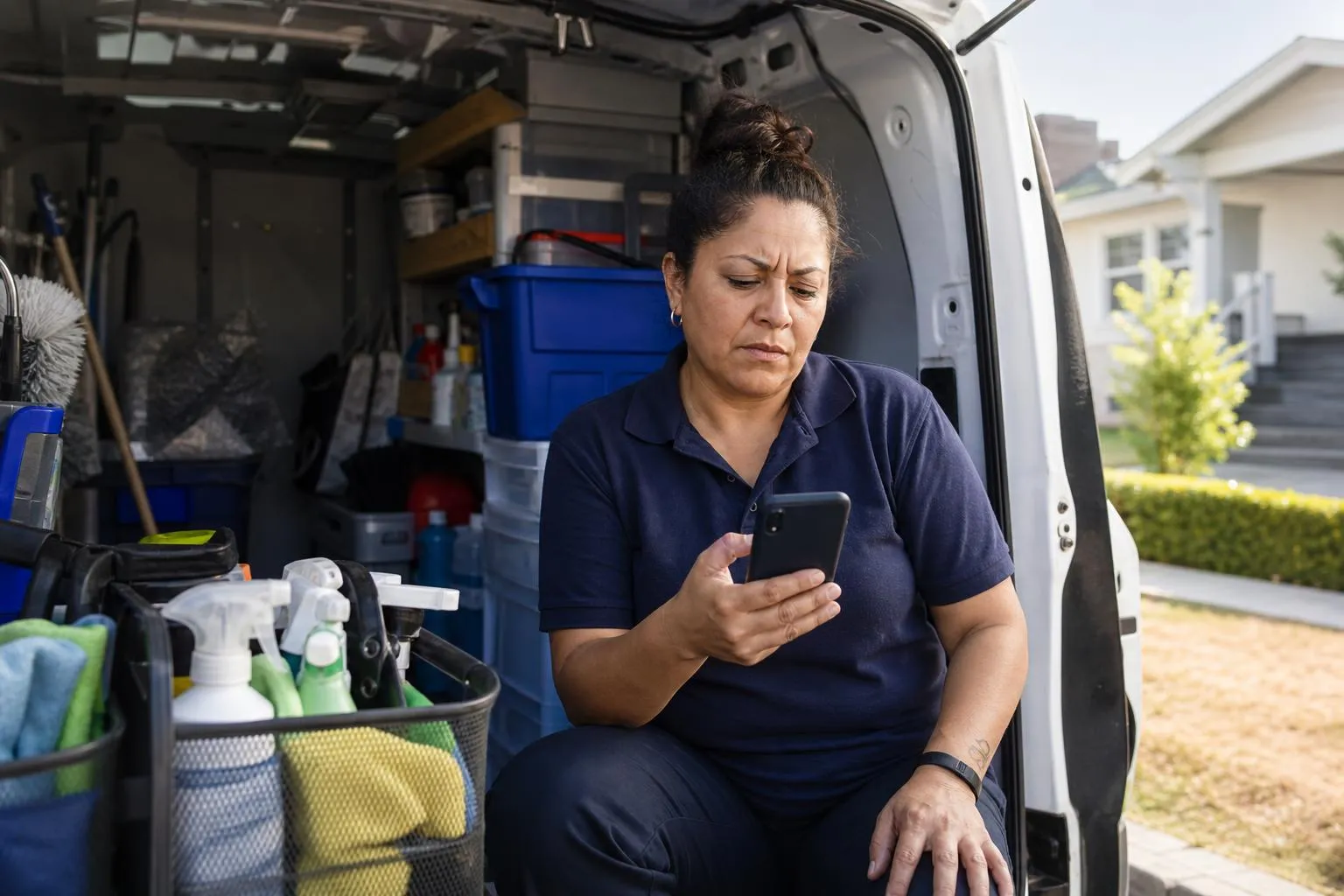
A cleaning company sells to the twelve zip codes a crew can reach before lunch, not to the world. That is exactly why most YouTube ad campaigns for cleaners burn cash: the platform’s default settings serve your video to anyone, anywhere, and a view from three states away is worth nothing to you. Run correctly, YouTube puts your face in front of homeowners and office managers in your area before they ever search. Run on autopilot, it is the fastest way to donate a budget to Google.
What YouTube ads actually cost a local cleaner
You pay when someone watches or clicks, and three formats matter for a cleaner. Skippable in-stream ads (with the “Skip” button after five seconds) are the workhorse at $0.02 to $0.10 per view, where a view means 30 seconds watched, the full ad, or a click. Bumper ads are six non-skippable seconds for recall, and in-feed video ads appear in search and suggested feeds.
The number that matters is not cost per view, it is cost per booked job. In a well-targeted local campaign, expect $5 to $25 per qualified lead and a 20% to 40% close rate if your intake is sharp. A $600 spend can net 8 to 20 leads and 3 to 7 booked jobs. With an average residential job worth $150 and a recurring client $1,800 a year, the math works fast. Scatter those views nationwide and none of it happens.
| Format | What you pay | Best used for | Typical local cost |
|---|---|---|---|
| Skippable in-stream | Per view (30s or click) | Lead generation, the main format | $0.02 to $0.10 per view |
| In-feed video | Per click | Catching “house cleaning” searchers | $0.15 to $0.60 per click |
| Bumper (6s) | Per 1,000 impressions | Brand recall, staying top of mind | $3 to $8 per 1,000 |
| Campaign test | Total budget | Finding a winning ad and audience | $500 to $1,500 over 3 to 4 weeks |
Film the ad yourself, this part is free
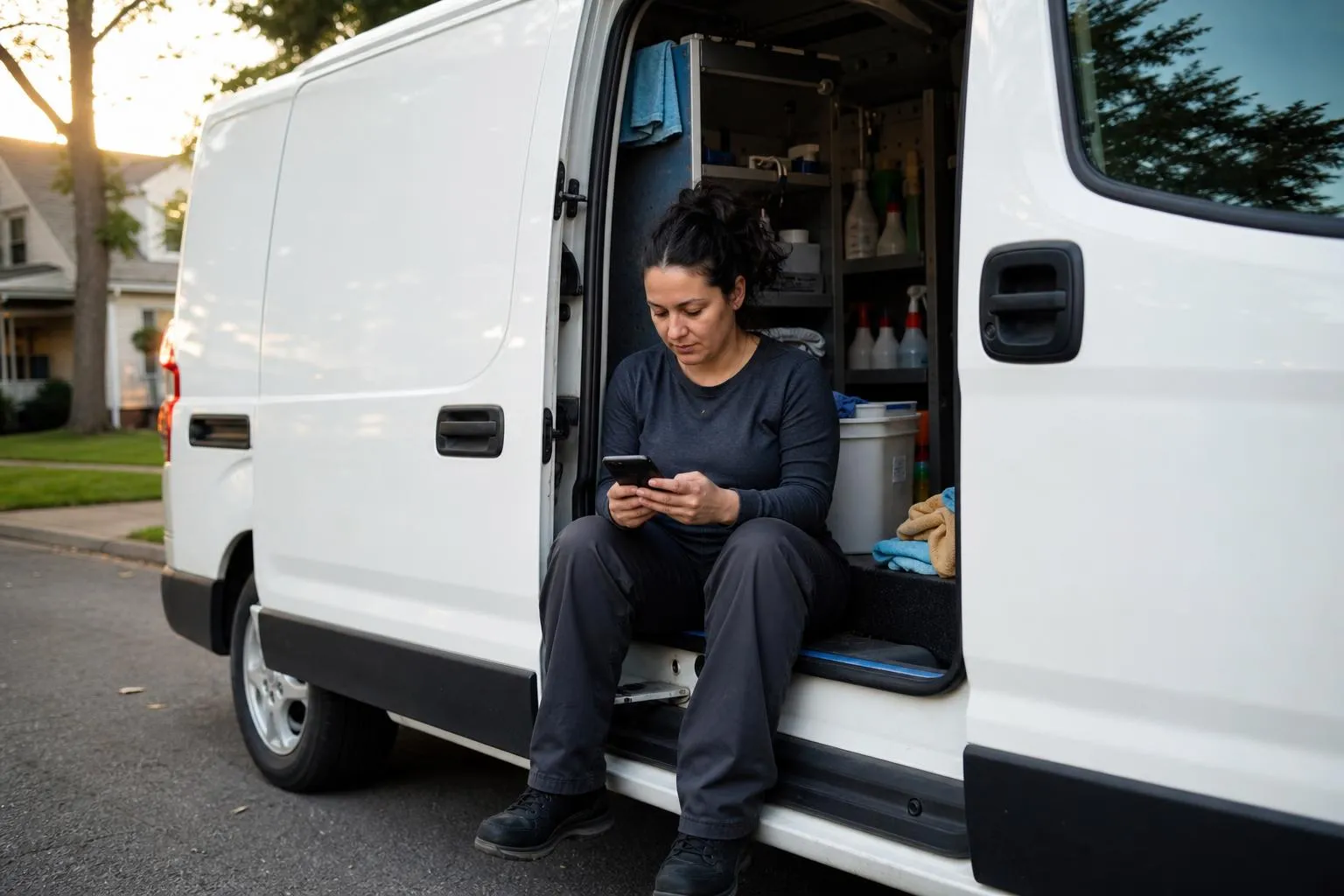
The creative is the one piece you can genuinely do yourself, and homemade often beats polished: homeowners trust a real cleaner in a real kitchen more than a stock-footage actress in a fake one. You need a phone shot horizontally, a $20 to $40 clip-on lapel mic so the audio is clean (bad audio kills more ads than bad video), and window light. Kit cost: $0 to $400.
Structure beats production value. The first five seconds decide everything, because that is when the Skip button appears. Open with the problem or the result, not your logo: “Tired of spending your day off scrubbing baseboards?” or a hard cut of a filthy oven turning spotless. Then 15 to 20 seconds of real crew footage, one line of proof (“over 200 homes cleaned in [town]”), and one instruction: “Tap below for a free quote, we answer same day.” Keep the whole thing 20 to 40 seconds. The same clips repurpose straight to Instagram and TikTok.
What “good” targeting and tracking look like, and why it is the hard part
This is the line between a campaign that prints jobs and one that drains an account, and it is not the creative. It is the plumbing underneath: who sees the ad, what you pay per result, and whether you can tell which ad produced a paying customer. Good targeting for a cleaner is ruthlessly local: a tight radius around your real service area, layered with life events (new movers) and in-market audiences (people researching cleaning services), plus custom audiences from your own site visitors and customer list. Good tracking wires a conversion to an actual quote request or booked job, not a view, so you optimize toward revenue instead of vanity.
This is high-stakes because the mistakes are invisible and compound daily. A radius left on the national default, a “conversion” defined as a 10-second view, a bid strategy chasing cheap views instead of leads: each looks fine in the dashboard while quietly wasting budget for weeks. Like an unclaimed Google Business Profile or a slow website, doing this badly costs more than not doing it at all.
Built properly, the same budget turns into far more booked work. Two free things you should do yourself, because both make every ad dollar convert harder: claim and fully fill out your Google Business Profile, and relentlessly ask happy clients for reviews. The campaign build itself, where a wrong checkbox quietly costs you a season, is the work we handle. See our services for ads, SEO, and paid social done for you.
Should you run YouTube ads yourself or hand them off?
Every owner hits this fork: learn the platform in-house, or pay a specialist.
DIY versus done-for-you ad management
- No management fee, so 100% of a $600 budget goes to media instead of 15% to 30% to an agency.
- You learn your own numbers, which makes you a sharper buyer of every marketing service forever.
- Full control to pause and react to a slow week the same day.
DIY versus done-for-you ad management
- The learning curve costs 20 to 40 hours and usually a wasted first $300 to $800 before results stabilize.
- One default left wrong (national radius, view-based bidding) can quietly burn a month’s budget.
- Every hour in the dashboard is an hour off a job site, where you bill $40 to $100.
The decision rule is hand off the build, not the message: film your own honest creative because nobody knows your jobs better than you, but let a specialist wire the targeting, bidding, and tracking, where invisible mistakes cost more than the fee. If your hours are worth more on a job than in a dashboard, route execution to our services.
Where YouTube fits in the whole funnel
The most expensive mistake in video advertising is pointing a great ad at a weak landing page: you pay for the view and earn the click, then lose the visitor at a slow, trust-free door.
A purpose-built site that loads in under three seconds and takes a quote in one tap is the multiplier on every ad dollar. If your site is the bottleneck, get a free video walkthrough. Once the funnel converts, scaling spend is the easy part, covered in how to grow a cleaning business. And if you have a bigger idea that needs a plan rather than a single channel, start at expntl.com.
Frequently asked questions
How much should a new cleaning business budget for YouTube ads?
Plan for a $500 to $1,500 test over 3 to 4 weeks. Below that, the platform never gathers enough data to learn who converts, so you pay for noise. Once a campaign proves a cost per lead you like, scale the budget in steps, not all at once.
Are YouTube ads better than Google Search ads for cleaners?
They do different jobs. Search ads catch people typing “house cleaning near me” and pay back fast, while YouTube builds demand before the search happens. Most cleaners do best running search first for instant leads, then layering YouTube to fill the pipeline and stay top of mind.
Do I need a professional video to run a YouTube ad?
No, and polished often performs worse. A phone-shot clip of you on a real job, with clean audio from a cheap lapel mic, usually out-converts a slick studio spot because it reads as trustworthy and local. Spend your money on targeting and the landing page, not a film crew.
Why is my YouTube ad getting views but no calls?
Almost always one of three things: the views come from outside your service area, the conversion tracks a view instead of a booked job, or the ad points at a weak landing page. All three are invisible in the basic dashboard, which is why the campaign build is a specialist job. Fix the targeting and the page before you touch the creative.
Can I just boost a regular YouTube video instead of building a campaign?
Boosting maximizes cheap views, not leads, so it is the fastest way to spend money with nothing booked to show for it. A real campaign optimizes toward a conversion and lets you control radius, audience, and bidding. If you want leads rather than a bigger view count, run a proper campaign or hand it to our services.
Your move
Reading this does not book a job.
The owners who pull ahead are the ones who change one thing this week. If you want that one thing to be a website that sells and ads that put it in front of the right people, we build and run both for you.
Straight answer on whether we can help, usually the same day.